US Threatens Iran with Devastation Amidst Strategic Uncertainty
The United States has issued dire threats to Iran regarding the Strait of Hormuz, sparking debate over the strategy's effectiveness and its human cost. Experts question the logic of potentially devastating Iranian infrastructure, which could harm civilians more than the regime. The escalating tensions carry significant economic and geopolitical risks for global stability.

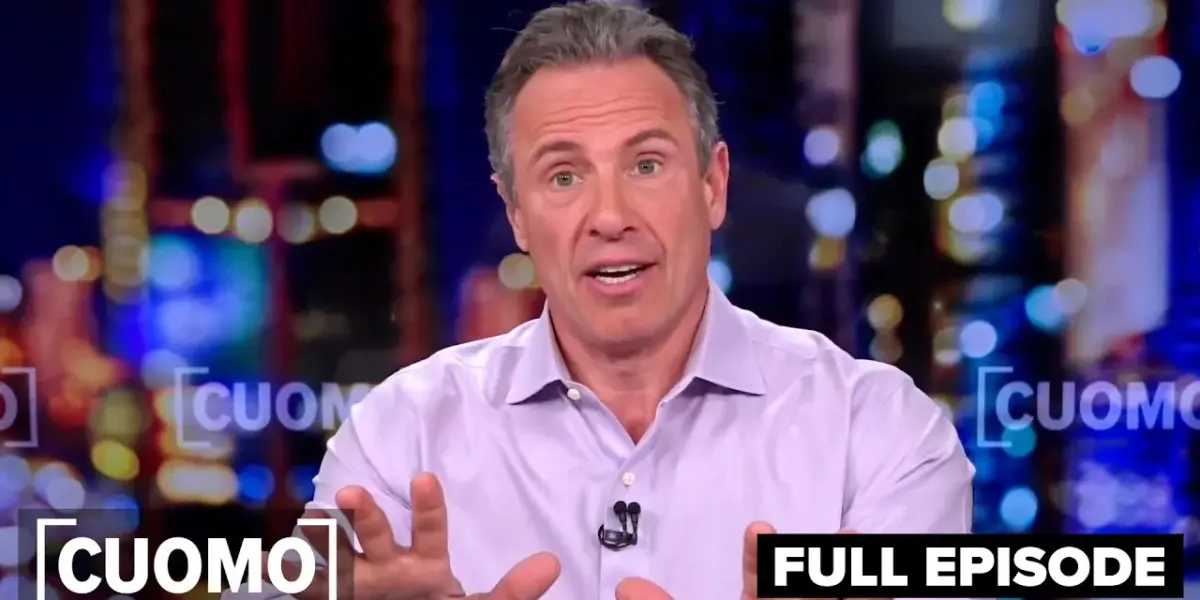
US Escalates Threats Against Iran, Raising Concerns Over Regional Stability
The United States has issued stark warnings to Iran, threatening widespread destruction if a key waterway is not reopened, sparking intense debate among analysts about the strategy and its potential consequences. The escalating rhetoric, including a reported 24-hour deadline, paints a picture of a high-stakes standoff with significant global implications.
Iran’s Actions and US Response
Following a presidential address that seemingly signaled an end to regime change plans, Iran shot down a US fighter jet, nearly capturing an airman. The US responded by striking Iran’s top university, an action largely overlooked by the administration. Further escalation saw Iran target energy and water facilities in Kuwait, Bahrain, and the UAE, prompting a US apology and an admission that weapons provided to allies might have been lost or stolen.
The situation intensified with a direct threat from the US president: if Iran does not open the Strait of Hormuz by a specific deadline, the entire country could face devastating consequences. This included a plan to decimate every bridge and power plant in Iran within a short timeframe. Analysts question the logic behind such threats, particularly the idea that plunging Iranian civilians into greater hardship would pressure the regime.
Expert Analysis and Strategic Concerns
Former Middle East peace negotiator Aaron David Miller suggested that the president’s actions might be seen as either tactical brilliance or strategic incompetence. He noted that while the Strait of Hormuz was open before the recent conflict, Iran has since established a form of control, potentially imposing tolls and making deals with individual countries.
General Wesley Clark, former NATO Supreme Allied Commander, discussed the military aspects, explaining that air campaigns can run out of targets. He suggested that striking dual-use infrastructure like power plants and transportation networks could be considered legitimate military targets, though he questioned the feasibility and implications of a rapid, widespread demolition.
Keon Tajbach, a former political prisoner in Iran and international relations professor, expressed deep concern for the Iranian people. He argued that bombing infrastructure would harm civilians as much as the regime, potentially worsening their living conditions. Tajbach highlighted that Iran possesses well-developed infrastructure, built over decades, which provides essential services and supports local industries. He also noted that many Iranians might interpret the US actions as a threat to their livelihoods rather than a move to liberate them.
Economic and Geopolitical Ramifications
The conflict carries a hefty price tag, reportedly costing the US $1 billion per day. This expenditure comes as the US faces domestic budget cuts in areas like healthcare and housing programs, fueling debate about national priorities. The transcript also touches upon a significant increase in the Pentagon budget, raising questions about resource allocation.
Iran has reportedly demanded the lifting of all sanctions and a toll for ships passing through the Strait of Hormuz to compensate for damages. Analysts worry that targeting essential infrastructure will inflict long-term pain on the Iranian population, potentially backfiring by strengthening the regime’s narrative against foreign interference.
Historical Context and Future Scenarios
The current tensions echo past conflicts and diplomatic precedents in the region, where control of vital energy routes has often been a central point of contention. The Strait of Hormuz, a critical chokepoint for global oil supply, has historically been a flashpoint for regional rivalries.
Several future scenarios were considered:
- Scenario 1: Escalation and Widespread Destruction. If Iran does not comply, the US could carry out its threatened strikes, leading to massive destruction and potential loss of life. The long-term impact on the Iranian population and regional stability would be severe.
- Scenario 2: Prolonged Air Campaign. The US could continue an air campaign, adapting to new targets and maintaining pressure over weeks or months. This approach requires patience and advanced intelligence, with uncertain outcomes.
- Scenario 3: Ground Invasion. While not favored by all experts, a ground troop deployment was mentioned as a possibility, though its effectiveness and sustainability were questioned due to potential casualties and the difficulty of holding territory.
- Scenario 4: Diplomatic Resolution/De-escalation. Despite the threats, there remains a possibility of a negotiated settlement, especially if Iran perceives significant risk or if international pressure mounts for a peaceful resolution. However, the current rhetoric suggests this is less likely in the immediate term.
Global Impact and Shifting World Order
The situation in the Persian Gulf has far-reaching consequences for the global economy, particularly concerning oil prices and supply routes. Disruptions to the Strait of Hormuz could significantly impact global energy markets, potentially driving up prices and affecting international trade. The US’s credibility and deterrence on the global stage are also being tested, with allies and adversaries closely watching the unfolding events.
Domestically, the conflict and its associated costs are becoming a point of political contention, potentially influencing upcoming elections. The debate highlights a division between prioritizing foreign interventions and addressing domestic needs, such as economic security and social programs.
Ultimately, the current crisis underscores the complex interplay of geopolitical interests, economic pressures, and military strategies in the Middle East. The decisions made in the coming days could shape regional dynamics and the international order for years to come.
Source: Trump to Iran: Make a Deal or Else; Who’s Winning War at Home? | CUOMO Full Show 4/6 (YouTube)

Related Articles


Iran Faces US Deadline Amid Military Threats
Iran faces a critical deadline from the US, with threats of military action against civilian infrastructure if demands are not met. Meanwhile, a daring rescue of a downed airman highlights military capabilities amidst escalating regional tensions and global economic concerns.

Iran Ceasefire Offers Pause, Not Peace
A fragile two-week ceasefire between the U.S. and Iran offers a temporary pause in escalating tensions but falls short of a lasting peace deal. Key global economic routes like the Strait of Hormuz remain vulnerable, and regional conflicts persist, posing ongoing risks to markets and supply chains.

Trump Shifts Mideast Policy, Eyes NATO Reform
The U.S. has paused military action against Iran, seeking a diplomatic solution while pressuring NATO for greater involvement. This shift highlights economic leverage and potential regional stability changes. Talks in Pakistan could be key to de-escalation.