US Threatens Iran; Oil Prices Soar, Recession Fears Grow
President Trump has escalated threats against Iran, targeting its energy and water facilities, while Iran retaliates with threats against US universities. This standoff coincides with rising oil prices and growing fears of an economic recession in the US, as analysts warn of potential impacts on consumer spending and interest rates. In lighter news, TSA workers are receiving paychecks, but airport delays are expected to continue, and golfer Tiger Woods faces legal trouble after a DUI arrest.

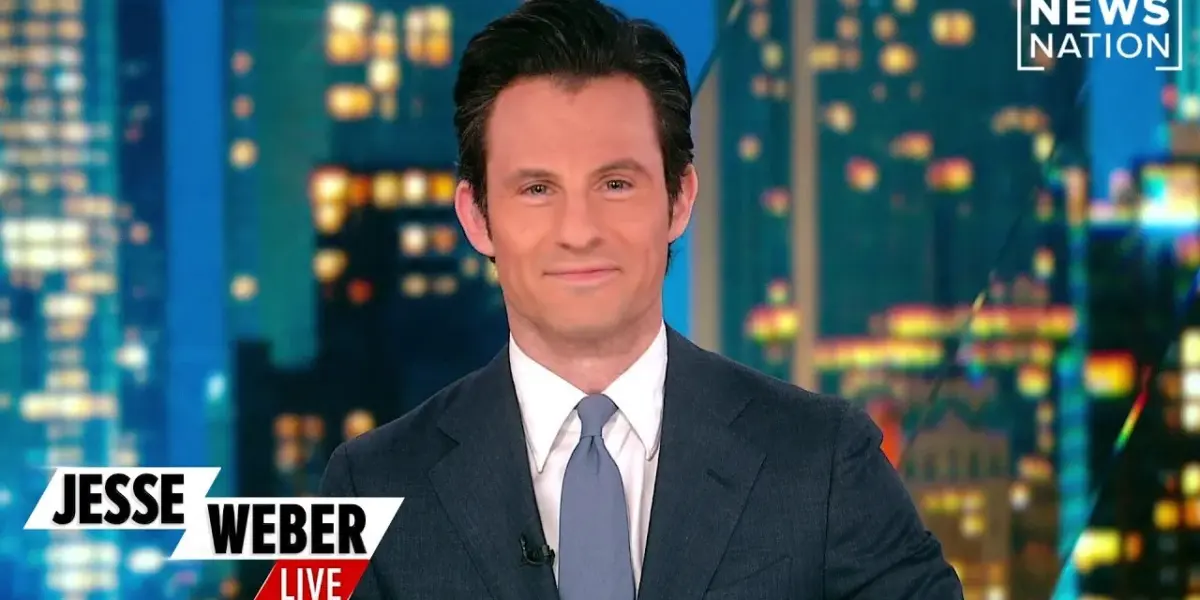
US Escalates Iran Standoff, Threatening Facilities
President Trump has issued new threats against Iran, targeting its energy and water facilities if a deal to end the war and reopen the Strait of Hormuz is not reached. The Washington Post reported that the Pentagon is preparing for potential ground operations in Iran. Iran has responded by threatening to strike American universities in the Middle East if its own universities are targeted.
Iran Deal Prospects Remain Uncertain Amid Shifting Threats
The possibility of a deal with Iran remains unclear, with President Trump suggesting a deal could happen soon while also issuing threats. More US troops are arriving in the Gulf region, though the president has not directly answered questions about deploying ground troops. A Pentagon briefing is scheduled for tomorrow, which may offer more details.
During discussions on Air Force One, President Trump spoke about regime change in Iran, stating that the current regime has been “decimated” and “destroyed.” He also revealed new plans for renovations to the White House East Wing, including a large bunker with bulletproof glass and drone-proof ceilings. Donors are reportedly funding these renovations, which are said to be ahead of schedule and under budget.
Oil Price Surge Fuels Economic Worries
The conflict in Iran has had a significant impact on global energy markets. Jet fuel prices in the United States have increased by 82% since the war began, according to the Argus index. This rise in fuel costs, which make up about a quarter of airline operating expenses, raises concerns about future increases in airline ticket prices.
The price of Brent crude, the global oil benchmark, has topped $115 a barrel, a 60% increase since the war started. High oil prices can lead to higher consumer prices for goods like milk and makeup. This can slow down consumer spending, which is a major driver of US economic growth. Additionally, rising prices could increase inflation, potentially leading the Federal Reserve to raise interest rates and push the US closer to an economic downturn.
Recession Fears Rise Amid Economic Uncertainty
Economic forecasts are raising alarms about the possibility of a recession. Goldman Sachs has increased its probability estimate for a recession in the next 12 months from 25% to 30%. Moody’s Analytics now places the odds of a US recession just below 50%.
These fears are partly driven by the oil shocks resulting from the war in Iran and the potential closure of the Strait of Hormuz, a critical route for about one-fifth of the world’s oil supply. While Jerome Powell, the Federal Reserve chairman, has indicated a “wait and see” approach to raising interest rates, suggesting that oil shocks can be temporary, the outcome of the war and the flow of oil through the Strait of Hormuz remain key variables.
Expert Analysis on Recession Risks
Dr. Chris Clark, a professor of economics at Washington State University, noted that predicting recessions is difficult but stated that the risk is elevated due to the uncertainty surrounding the war. He pointed out that while families face higher prices at the pump and for food, US oil companies are benefiting from higher prices. Dr. Clark explained that the Federal Reserve’s tools, like adjusting interest rates, are blunt and not ideal for stabilizing the economy if oil prices rise and fall quickly.
He suggested that the most effective way to prevent a recession and restore market balance would be to end the war as soon as possible. Even then, it could take weeks or months for oil prices to return to normal. Dr. Clark advised individuals to increase savings and polish their resumes but cautioned that widespread saving could also contribute to a recession.
Signs of an approaching recession, according to Dr. Clark, would include businesses slowing investment, rising inventories as consumer buying decreases, and increasing layoffs. Currently, layoffs remain historically low.
TSA Workers Paid, But Airport Lines Persist
In positive news, paychecks have started going out to TSA workers, partly covering missed back pay. This has led to a decrease in airport callout rates, though some airports still experience significant delays. The TSA workers’ union has noted that some employees received incorrect pay amounts due to missed overtime and tax withholding issues.
With the busy holiday travel week approaching, travelers are still likely to face long lines at airports. The uncertainty surrounding future TSA paychecks and ongoing holiday crowds suggest that airport security lines may not improve dramatically.
Tiger Woods DUI Arrest and Privacy Concerns
Golfer Tiger Woods was arrested and charged with driving under the influence (DUI) after a single-car crash in Florida, where his vehicle overturned. Police reported signs of impairment, though a breathalyzer test showed no alcohol. Woods refused a urine test and was released on bond.
Despite this incident, new reports suggest Woods refuses to hire a driver, with sources indicating he values his privacy and believes he is fine to drive. This raises questions about his need for privacy versus the public consequences of his actions. While many express empathy for Woods, considering his past injuries and public battles, his repeated brushes with potential danger highlight concerns about accountability.
His ex-wife is reportedly worried about their children, who are at impressionable ages. Colleagues and golf journalists have expressed support but also disappointment. The legal implications of his refusal to take a urine test are still unfolding, and it remains unclear how this will affect his ability to play professionally.
Founder of ‘One Taste’ Sentenced for Exploitation
Nicole DeVon, founder of the wellness company ‘One Taste,’ has been sentenced to nine years in federal prison. Her company offered courses in orgasmic meditation, charging significant fees for weekend courses and coaching programs. The company received positive attention, including features in The New York Times and praise from celebrities.
However, prosecutors alleged that ‘One Taste’ engaged in economic, sexual, emotional, and psychological abuse. Members who could not afford the expensive training were allegedly pressured into debt and directed to perform sex acts with clients and investors while their wages were withheld. A federal jury convicted DeVon and her head of sales for forced labor conspiracy. DeVon was also ordered to pay $12 million in restitution to seven victims.
Source: Deal or no deal in Iran? JD Vance talks about UFOs | Jesse Weber Live Full Episode 3/30 (YouTube)

Related Articles
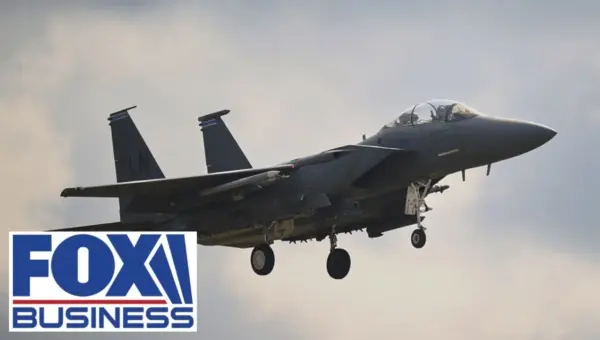
Iran Downs US F-15; One Pilot Rescued, Second Missing
A U.S. F-15 fighter jet has been shot down over Iran, with one pilot rescued and a search underway for the second. Iran is leveraging the incident for propaganda purposes, while the U.S. prioritizes the rescue mission.
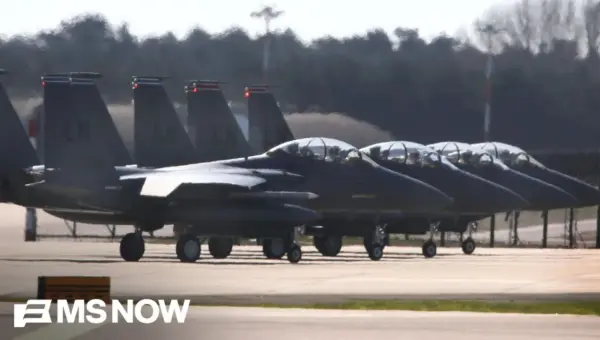
US Scours Iran for Downed F-15 Crew
A U.S. F-15 fighter jet has crashed in Iran, triggering an intense search and rescue mission. The crew, trained in survival techniques, is being sought by specialized teams. The incident raises concerns about the crew's safety and potential political leverage for Iran if captured.
Iran Strikes Target Infrastructure: Gulf States Fear Escalation
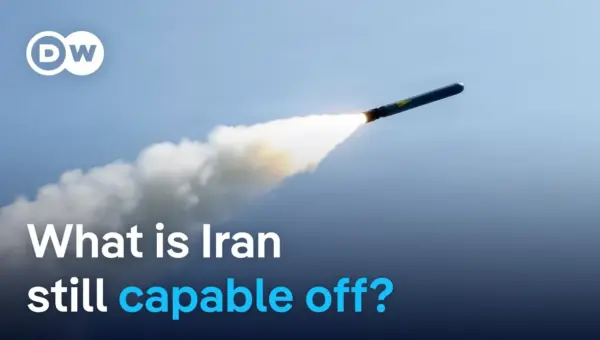
Iran's retaliatory strikes on critical infrastructure, including a Kuwaiti desalination plant, have heightened fears across Gulf states. Expert Kaman Matin explains Iran's strategy of targeting civilian and economic assets in response to attacks, while Gulf nations brace for potential escalation. The situation remains tense, with diplomatic efforts struggling to find a path to de-escalation.