US Targets Soleimani’s Family: A New Front in Iran Tensions?
The U.S. detained relatives of former Iranian General Qasem Soleimani, revoking visas and taking them into ICE custody. This action highlights the ongoing tensions between the U.S. and Iran and the use of immigration policy as a foreign relations tool.

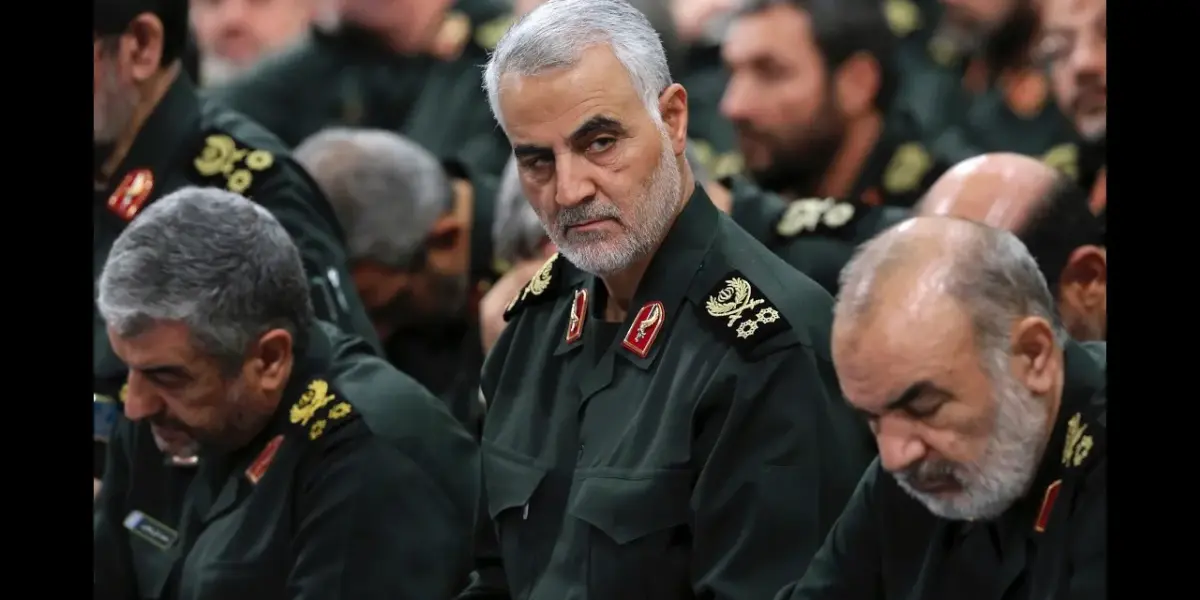
US Targets Soleimani’s Family: A New Front in Iran Tensions?
The United States recently took a significant step in its ongoing dispute with Iran, detaining relatives of the late Iranian General Qasem Soleimani. This action, involving Immigration and Customs Enforcement (ICE) and the State Department, signals a hardening stance against individuals with ties to what the U.S. considers a terrorist regime. The family members in question are relatives of Soleimani, who was killed in a U.S. drone strike during the Trump administration.
Visa Revocations and Detentions
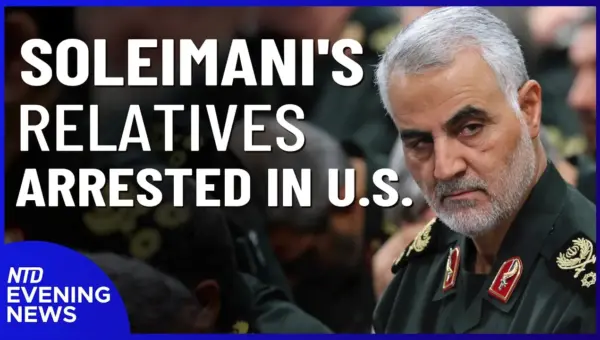
The State Department announced it was revoking visas for Soleimani’s relatives living in the U.S. One niece, identified as Ashar Soleimani, and her daughter were taken into ICE custody. U.S. officials stated that Ashar Soleimani had promoted propaganda for Iran’s government while living a comfortable life in Los Angeles. This move reflects the Trump administration’s policy of not allowing foreign nationals who support anti-American terrorist regimes to reside in the United States.
Escalating Pressure on Iran
This action against Soleimani’s family comes as the U.S. continues to exert pressure on Iran. Former President Trump had previously issued strong warnings to Iran, threatening severe consequences if a deal was not reached or if Iran interfered with the Strait of Hormuz, a crucial oil shipping route. The U.S. has emphasized its reduced reliance on oil passing through the Strait, suggesting other nations should take responsibility for its security.
“The Trump administration will not allow our country to become a home for foreign nationals who support anti-American terrorist regimes.”
Background: The Strike on Soleimani
Qasem Soleimani was a high-ranking general in Iran’s Islamic Revolutionary Guard Corps (IRGC). The U.S. military carried out a precision strike that killed him, labeling him a major general and a top terrorist. This event significantly escalated tensions between the U.S. and Iran, leading to fears of wider conflict.
U.S. Air Dominance and Iranian Response
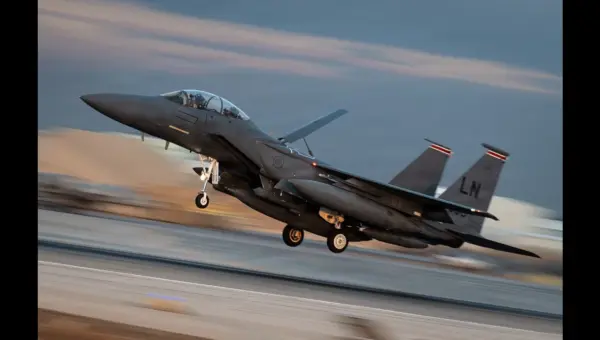
The report also touches on the U.S. military’s operations in the region. It highlights the extensive number of missions flown over Iran in recent weeks, suggesting a demonstration of American air dominance. Despite these operations, only one U.S. aircraft was reportedly shot down by Iran. A second aircraft was later downed during a rescue mission, though the pilot was accounted for. These incidents underscore the volatile nature of the current situation.
Why This Matters
The detention of Soleimani’s relatives is more than just an immigration issue; it’s a clear signal of the U.S.’s unwavering stance against Iran’s government and its supporters. By targeting the family of a key figure like Soleimani, the U.S. aims to send a message to those who benefit from or actively support the Iranian regime, even while living abroad. This policy suggests a willingness to use immigration and visa powers as a tool in foreign policy, particularly in confronting nations deemed hostile.
Implications and Future Outlook
This incident could lead to further diplomatic friction between the U.S. and Iran. It also raises questions about how the U.S. will handle individuals with complex ties to adversarial nations in the future. As international relations continue to evolve, such actions may become more common as countries use all available tools to exert influence and protect national interests. The focus on domestic oil production also shows a strategic shift, reducing vulnerability to international disruptions and potentially altering global energy dynamics.
Historical Context
Tensions between the U.S. and Iran have a long history, dating back to the 1979 Iranian Revolution. The designation of the IRGC as a terrorist organization by the Trump administration and the subsequent killing of Soleimani marked a significant escalation. The U.S. has consistently viewed Iran’s regional activities and support for various militant groups as a threat to its interests and allies in the Middle East. This latest action fits within that broader pattern of confrontation.
Conclusion
The U.S. action against Soleimani’s relatives is a strong statement in the ongoing geopolitical struggle with Iran. It demonstrates a commitment to confronting individuals perceived as supporting hostile regimes, using immigration policy as a direct tool. As the U.S. seeks to increase pressure on Iran and assert its dominance, such measures are likely to continue, shaping the future of international relations and national security strategies.
Source: ICE Arrests Anti US Family Members of Late Iranian General Soleimani Living in Los Angeles (YouTube)

Related Articles
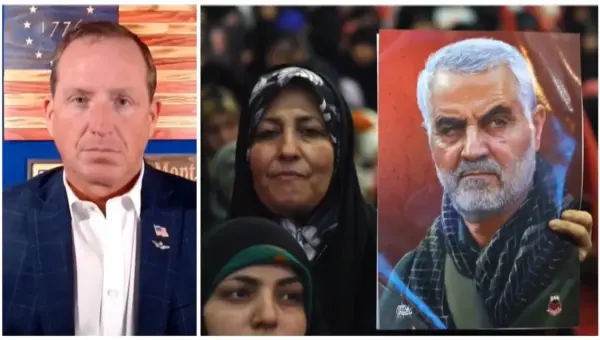
US Revokes Green Cards From Soleimani Kin
The US has revoked green cards for relatives of Qasem Soleimani, citing their support for the Iranian regime. Retired Lt. Col. Darren Gob supports the move, emphasizing national security. The discussion also covered search and rescue operations and military actions against Iran.
US Jet Downed: Trump Threatens Iran, Eyes Oil Control
A U.S. fighter jet shot down over Iran has intensified tensions, with one pilot rescued and another missing. President Trump is threatening further strikes and considering control of the Strait of Hormuz oil supply. Meanwhile, the White House touts a strong jobs report and proposes a large defense budget increase.
ICE Detains Soleimani Kin; Trump’s Race Data Pause Ordered
The U.S. has revoked visas for relatives of former Iranian general Qasem Soleimani, leading to their detention by ICE. Meanwhile, a federal judge has ordered a pause on President Trump's collection of race data from universities, citing procedural issues. These events highlight ongoing diplomatic tensions and debates over educational policy.