US Submarine Sinks Iranian Warship in Indian Ocean
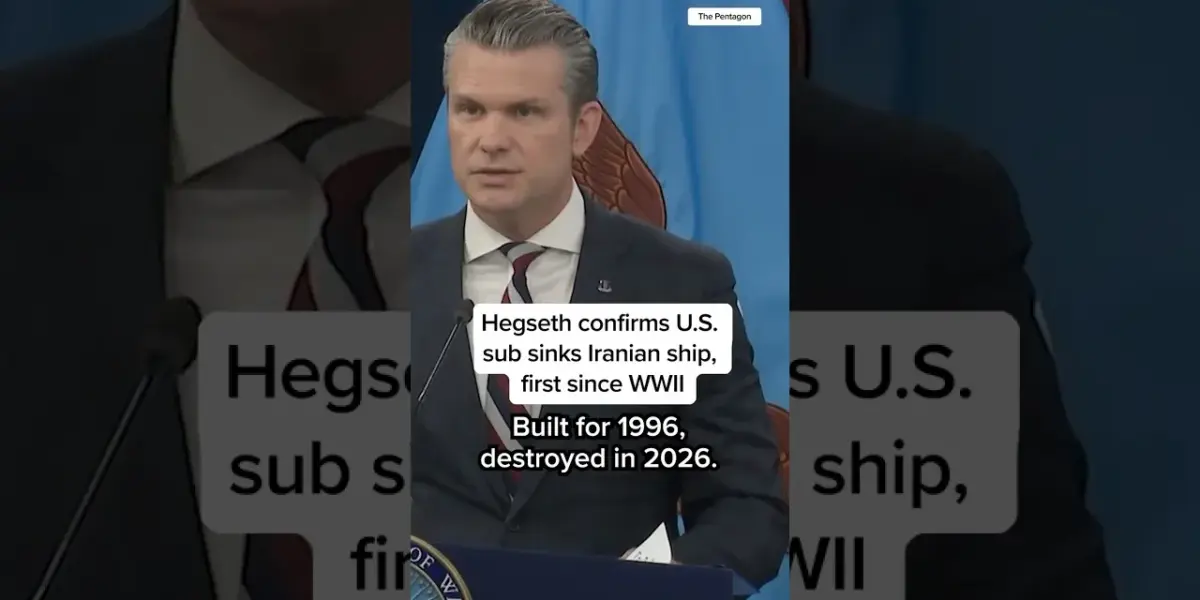
An American submarine has sunk an Iranian warship in the Indian Ocean off the coast of Sri Lanka, marking a significant naval escalation. The incident, confirmed by commentator Pete Hegseth, is reportedly the first such sinking by a U.S. vessel against an Iranian warship since World War II. The engagement occurred in international waters.

US Submarine Sinks Iranian Warship in Indian Ocean
In a significant naval confrontation, an American submarine has sunk an Iranian warship in the Indian Ocean, marking the first such incident involving a U.S. vessel and an Iranian warship since World War II. The confirmed strike occurred off the coast of Sri Lanka, with reports indicating the Iranian vessel was targeted in international waters.
Details of the Incident
Pete Hegseth, a prominent commentator and former U.S. official, confirmed the operation, stating, “An American submarine sunk an Iranian warship that thought it was safe in international waters. Instead, it was sunk by a torpedo.” The exact date and specific circumstances leading to the engagement have not yet been fully disclosed, but the confirmation by Hegseth adds a significant layer of seriousness to the maritime incident.
Geopolitical Context and Implications
The sinking of an Iranian warship by a U.S. submarine carries substantial geopolitical weight. The Indian Ocean, a critical global trade route, has been an area of increasing naval activity and tension, particularly involving Iran and Western powers. This event, if confirmed through official channels, could escalate regional tensions and impact maritime security operations in one of the world’s busiest waterways.
Historically, naval engagements between the United States and Iran have been limited, often involving smaller skirmishes in the Persian Gulf. A direct strike by a U.S. submarine on an Iranian warship represents a significant escalation in the potential for direct military confrontation. The fact that the incident occurred in international waters, as stated by Hegseth, suggests a deliberate action rather than a miscalculation or defensive measure in territorial seas.
Significance of the First Strike Since WWII
The reference to this being the first such sinking since World War II underscores the gravity of the event. During WWII, naval warfare was a dominant feature of the global conflict, with major powers engaging in direct confrontations that reshaped naval doctrines and international relations. The recurrence of such a direct sinking event in the modern era signals a potential return to more assertive military posturing between nations.
Broader Maritime Security Concerns
The Indian Ocean region is vital for global commerce and energy transport. Incidents like this raise concerns about freedom of navigation and the safety of maritime traffic. Navies from various countries, including the U.S., China, India, and others, regularly patrol these waters. Any hostile action can have ripple effects, potentially disrupting supply chains and increasing insurance costs for shipping companies.
Official Reactions and Future Outlook
As of now, official confirmation from the U.S. Department of Defense or the Iranian military has not been released. The lack of immediate official statements leaves room for speculation and further inquiry. However, the confirmation from a figure like Pete Hegseth, who has access to intelligence circles, suggests the incident is likely factual and has been acknowledged at certain levels.
The international community will be closely watching for official statements and further details. The implications for regional stability, the ongoing dynamics between the U.S. and Iran, and the broader landscape of international maritime security will unfold in the coming days and weeks. Any further actions or escalations could have significant consequences for global affairs.
Source: Hegseth confirms U.S. sub sinks Iranian ship, first since WWII (YouTube)

Related Articles


Trump Launches ‘Epic Fury’ Operation Against Iran
President Trump has launched "Operation Epic Fury," a significant military operation targeting Iran's ballistic missile program, naval forces, and support for regional proxies. The White House asserts the action is a response to decades of Iranian aggression and a refusal to negotiate, aiming to prevent Iran from acquiring nuclear weapons. The administration reports early successes and emphasizes its commitment to protecting American citizens in the region.

Trump Seeks Iran Exit Strategy Amid Strained UK Ties
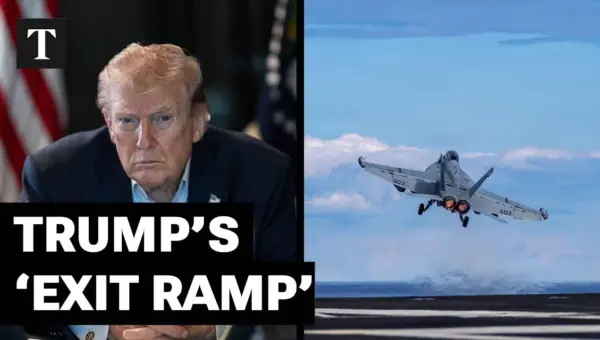
President Trump's administration appears to be reassessing its goals in Iran as regime change looks unlikely, prompting questions about an exit strategy. This shift occurs amid significant strain in the US-UK "special relationship," with diplomatic friction and concerns over the UK's defense preparedness coming to the fore.

US Sub Sinks Iranian Ship in Indian Ocean
A U.S. submarine has sunk an Iranian naval vessel in the Indian Ocean, marking the first such engagement since World War II. The incident occurred in international waters, with Sri Lanka's navy reporting the rescue of 32 individuals from the Iranian ship IRIS Dena. This event escalates regional tensions amidst ongoing retaliatory actions.