US Strikes Spark Travel Chaos: American Stranded in Dubai Recounts Ordeal
Hundreds of thousands of travelers are stranded across the Middle East following U.S. military strikes on Iran, causing widespread flight cancellations. American Shekinah Lee, stuck in Dubai, described the unprecedented travel chaos as a situation she had "never seen anything like that."


Travelers Stranded as US Strikes on Iran Trigger Regional Disruption
Hundreds of thousands of international travelers found themselves stranded across the Middle East this week, caught in the crossfire of escalating geopolitical tensions following U.S. military strikes on Iran. The sudden escalation has led to widespread flight cancellations and travel advisories, leaving many in limbo.
An American’s Ordeal in Dubai
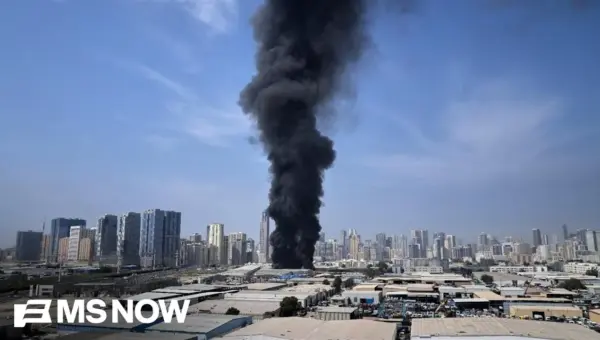
Among those caught in the unfolding crisis is Shekinah Lee, an American national who has been stranded in Dubai. Lee shared her harrowing experience with Chris Jansing on MS NOW, describing a situation she had “never seen anything like that.” Her account highlights the tangible human impact of international conflict, extending far beyond the immediate region of engagement.
“I’ve never seen anything like that,” Lee stated, reflecting on the unprecedented disruption to travel and daily life caused by the military actions and the subsequent regional uncertainty. Her words underscore the profound sense of unease and helplessness experienced by civilians caught in such volatile circumstances.
The Ripple Effect of Military Action
The U.S. military strikes, aimed at specific targets within Iran, have had an immediate and far-reaching impact on air travel throughout the Middle East. Airlines, citing safety concerns and airspace restrictions, have grounded flights connecting major international hubs with destinations across Asia, Europe, and Africa. This has resulted in a cascade of cancellations, leaving airports bustling with frustrated travelers and airlines scrambling to re-route flights and accommodate affected passengers.
Dubai, a major global transit point, has become a focal point for many stranded travelers. Its strategic location and extensive flight network mean that disruptions in the region disproportionately affect its operations. Lee’s experience in Dubai serves as a microcosm of the larger crisis, illustrating the logistical nightmares and personal anxieties that arise when international travel is abruptly halted.
Uncertainty and Anxiety Grip Travelers
The uncertainty surrounding the duration of the travel disruptions and the potential for further escalation has amplified the anxiety among stranded individuals. Many are facing extended stays in transit hubs, grappling with dwindling resources, and worrying about the impact on their work, families, and commitments back home. The lack of clear communication and the constantly shifting travel advisories further compound the stress.
“We are urging all U.S. citizens to exercise extreme caution and to remain informed about the evolving situation,” advised a spokesperson for the State Department, though specific guidance for stranded travelers remains limited. The primary concern for authorities is the safety of their citizens abroad, but the logistical challenges of assisting thousands of individuals are immense.
Broader Geopolitical Context
The U.S. military strikes were reportedly in response to a series of escalating provocations, though details remain sparse and subject to ongoing geopolitical interpretations. Regardless of the precise triggers, the action has undeniably heightened tensions in an already volatile region. The Middle East is a critical nexus for global trade and travel, and any instability here has immediate global repercussions. The current situation serves as a stark reminder of how interconnected the world has become and how swiftly regional conflicts can disrupt global systems.
Experts in international relations have warned that such actions, while intended to deter or retaliate, often carry unintended consequences. The disruption of travel and commerce, the potential for civilian casualties, and the risk of wider regional conflict are all significant concerns that policymakers must weigh heavily.
What Lies Ahead?
As the situation develops, the immediate focus remains on the welfare of stranded travelers and the gradual restoration of normal flight operations. Governments and airlines are working to manage the crisis, but the timeline for a return to normalcy is uncertain. The long-term implications of these U.S. strikes on Iran and the subsequent travel chaos will likely be debated for weeks and months to come, with particular attention paid to the diplomatic efforts to de-escalate tensions and prevent further disruptions to international travel and global stability.
Source: American stranded in Dubai describes strike: 'Never seen anything like that' (YouTube)

Related Articles


US Strikes Iran to Neutralize Missile Threat, Official Says
U.S. Secretary of State Marco Rubio confirmed a proactive military operation against Iran, aimed at dismantling its ballistic missile capabilities. The strike was deemed necessary to prevent Iran from acquiring the power to threaten global security, with officials emphasizing a defensive posture to avert future escalation and casualties.


Israel Unveils Ambitious War Aims: Target Iran’s Nuclear Program
Israel has declared three primary war aims in its conflict with Iran: the complete eradication of its nuclear program, the cessation of ballistic missile production, and the empowerment of the Iranian people to overthrow their current regime. Spokesperson Alex Gandler detailed the strategy, acknowledging the ambitious nature of the goals and highlighting the importance of Iranian internal support and international cooperation.
Retired US General Stuck in Dubai Amid Regional Unrest
Retired U.S. Army Major General Randu Manor is among tens of thousands stranded in Dubai following regional unrest. He describes the situation as "surreal" and expresses disappointment with the U.S. government's response compared to allies.