US Strikes Iraq as Ceasefire Fragile Amidst Global Tensions
The United States military has conducted strikes against Iranian-backed militias in Iraq, raising questions about a fragile ceasefire. Meanwhile, Iran faces mysterious explosions and threatens to withdraw from peace talks due to perceived ceasefire violations, including actions in Lebanon and its nuclear program. Diplomatic efforts are underway, but the situation remains highly volatile.


US Strikes Iraq as Ceasefire Fragile Amidst Global Tensions
The United States military recently conducted significant strikes against Iranian-backed militias in Iraq, raising questions about the stability of a declared ceasefire. While the U.S. has reportedly avoided direct attacks within Iran since the ceasefire began, military actions in neighboring Iraq indicate a complex and volatile situation. This move comes as international efforts to de-escalate tensions face significant challenges, with key players expressing uncertainty and potential withdrawal from crucial peace talks.
Escalation in Iraq, Uncertainty in Iran
Footage has emerged showing large-scale attacks on Iranian-backed militias in Iraq, with sounds of gunfire and explosions filling the air. The U.S. military, utilizing aircraft like F-15 Strike Eagles and Blackhawk helicopters, appears to be targeting the infrastructure of these groups. One video shows a massive smoke cloud rising from the headquarters of the Popular Mobilization Forces, suggesting a significant bombing raid. These actions in Iraq are happening even as a ceasefire is supposedly in effect, creating a confusing picture of ongoing conflict.
Meanwhile, Iran itself has experienced mysterious explosions in multiple cities, including Esfahan. Iranian media reported that air defense systems were active in Tehran and other locations, and an Israeli drone was reportedly shot down. No country has yet claimed responsibility for the attacks on Iranian soil, adding another layer of mystery to the already tense atmosphere. These events, coupled with reports of gas leaks causing damage to buildings, further complicate the narrative of a stable peace.
The Strait of Hormuz Remains a Flashpoint
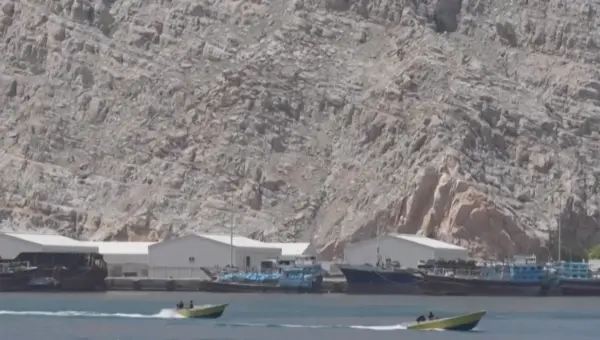
The Strait of Hormuz, a vital waterway for global oil transport, continues to be a point of contention. Iran had previously vowed to shut down this critical chokepoint, and recent reports indicate it has been effectively closed again. An oil tanker attempting to pass through the strait reportedly turned back, and only two ships were able to get through when it was briefly open. This ongoing disruption highlights Iran’s capability and willingness to impact global trade routes, a significant factor in the region’s geopolitical dynamics.
Ceasefire Under Strain: Lebanon and Uranium
The declared ceasefire is facing significant challenges, particularly concerning actions in Lebanon. Iran claims that ongoing strikes against Hezbollah targets in Lebanon constitute a violation of the ceasefire terms. Iranian officials have stated that the U.S. must choose between supporting a ceasefire or continuing the war through Israel, implying a lack of commitment from the U.S. if these actions persist. This has led Iran to question its participation in upcoming peace negotiations.
Furthermore, Iran’s nuclear program remains a core issue. Iran insists on its right to enrich uranium, which it views as a non-negotiable aspect of its sovereignty. The U.S. and its allies have expressed concerns about Iran’s uranium enrichment activities. Iran’s stance on uranium enrichment, alongside the events in Lebanon, has led to threats of not attending peace talks, suggesting a deep divide on fundamental issues.
Negotiations Hang in the Balance
Despite the escalating tensions and potential violations, diplomatic efforts are still underway. The United States is sending a negotiating team, including Vice President JD Vance, special envoy Steve Witkoff, and Jared Kushner, to Islamabad, Pakistan, for talks. These in-person meetings are scheduled to begin on Saturday. However, Iran’s response to these efforts is uncertain.
The Iranian foreign minister has stated that the terms of the ceasefire are clear and that continued actions, especially in Lebanon, are unacceptable. He has placed the ball in the U.S. court, emphasizing that the world is watching to see if commitments will be honored. The Iranian parliament has also cited alleged airspace incursions by drones as further violations. The combination of these issues has led Iran to declare that bilateral ceasefire or negotiations are unreasonable under the current circumstances, casting serious doubt on whether they will even attend the talks.
Why This Matters
The fragile nature of the current ceasefire and the ongoing military actions in Iraq and Lebanon highlight the deep-seated complexities of the conflict. The potential for a breakdown in negotiations and a return to widespread conflict remains a significant concern. The involvement of multiple actors, including Iran, the U.S., and Israel, along with regional militias and proxy groups, makes de-escalation extremely difficult. The Strait of Hormuz disruptions also have global economic implications, affecting oil prices and supply chains.
Implications and Future Outlook
The situation suggests a high degree of unpredictability. The U.S. military’s actions in Iraq, even under a ceasefire, indicate a continued commitment to combating Iranian-backed forces directly. Iran’s wavering stance on negotiations, fueled by perceived ceasefire violations and its nuclear ambitions, could lead to further isolation or escalation. The deployment of thousands of additional Marines to the Middle East signals a readiness for potential further conflict, despite diplomatic overtures.
The future outlook is uncertain, with a strong possibility of renewed conflict. The current events underscore the challenges of achieving lasting peace in a region where multiple interests and grievances are deeply intertwined. Whether the ongoing diplomatic efforts can overcome these obstacles, or if the situation will devolve into wider hostilities, remains to be seen.
Source: U.S. Military Launches ATTACK In Iraq – Major Iran Leader Killed (YouTube)

Related Articles

Iran Uses Strait of Hormuz to Pressure Israel-Lebanon Truce
The Strait of Hormuz remains largely blocked with over 3,000 ships waiting, despite a ceasefire agreement. Escalating conflict in Lebanon and Iran's demands for asset release and a Lebanese ceasefire are jeopardizing peace talks. This disruption impacts global energy markets and highlights the region's strategic importance.


Trump Hints at Military Buildup Amidst Iran Talks
Former President Donald Trump has signaled increased military readiness amid critical Iran negotiations in Pakistan. Discussions focus on Iran's nuclear program and regional conflicts, while Trump's rhetoric may aim to boost the defense industry. Hardware technology, especially AI, shows medium-term promise.


Trump’s Iran Strategy Fuels Global Instability
Reports suggest the US has lost strategic ground in its conflict with Iran, as the Strait of Hormuz remains effectively closed. This has emboldened Iran, disrupted global oil supply, and raised concerns about potential market manipulation by former President Trump.