US Strikes Iran’s Oil Hub, Threatening Global Supply
The United States has struck Kark Island, Iran's primary oil export hub, potentially disrupting 90% of the nation's crude shipments. This escalation risks a wider conflict, threatening global energy supply and driving oil prices significantly higher.


US Strikes Iran’s Oil Hub, Threatening Global Supply
The geopolitical landscape surrounding Iran’s oil exports has dramatically shifted as the United States launched strikes on Kark Island, a critical hub for approximately 90% of the nation’s crude oil shipments. This development, occurring over the weekend, signals a significant escalation in the ongoing conflict and carries substantial implications for global energy markets, with potential to drive oil prices sharply higher.
Kark Island: Iran’s Economic Lifeline
Kark Island, situated approximately 16 miles off the Iranian coast in the Persian Gulf, has long served as the central artery for Iran’s oil exports. Developed in the 1960s by the American oil company Amoco, the island’s facilities were nationalized by the Iranian government following the 1979 revolution. Today, it houses extensive oil storage tanks, export terminals, and loading facilities capable of accommodating the world’s largest oil tankers. This strategic location is crucial for Iran’s economy, with an estimated 1.5 million barrels of oil per day passing through it. The energy sector accounts for roughly a quarter of Iran’s economic output, making Kark Island not just a logistical point, but the heart of its oil-based economy and a vital source of government revenue.
Escalation and Strategic Shift
Until recently, both the United States and Israel had reportedly avoided directly targeting Kark Island, understanding that an attack on such a vital export hub could trigger a severe global energy shock. Analysts have previously warned that taking Kark Island offline could remove over a million barrels of oil per day from the global supply, a disruption that would inevitably lead to soaring prices, particularly in already tight energy markets. The recent US strikes, targeting military facilities on the island including air defense systems, naval installations, and airport infrastructure, represent a deliberate escalation. This strategy may aim to accelerate the end of the conflict by increasing economic pressure on Iran, threatening the very infrastructure that generates essential government revenue.
Iran’s Retaliation Threat and Market Fears
In response to the strikes, Iran has issued stern warnings, vowing to retaliate against American-linked oil facilities across the Middle East if its own energy infrastructure is targeted. This threat raises the specter of a broader war encompassing regional energy infrastructure, which could lead to maximum disruption of global energy supplies. Iran has suggested that such a scenario could push oil prices beyond $200 per barrel. The consequences of such a surge would be far-reaching, increasing transportation and production costs globally, exacerbating inflation, and historically, major oil shocks have often preceded economic slowdowns or recessions.
US Military Posturing
Adding another layer of concern, the United States has deployed amphibious assault ships, including the USS Tripoli, and approximately 2,000 Marines to the region, with potential for up to 5,000 Marines to arrive shortly. While no official confirmation of a land invasion has been made, the movement of these forces to an offshore location like Kark Island has fueled speculation about potential ground operations.
Market Impact and Investor Outlook
Global oil markets are notoriously sensitive to geopolitical disruptions, and Kark Island’s position at the nexus of one of the world’s most crucial energy regions makes it a focal point. Even before these recent developments, oil prices had already surpassed $100 per barrel, a significant increase from the $60 mark at the start of the year. The prospect of disruptions to Iran’s exports or attacks on regional energy infrastructure is likely to drive prices considerably higher. The timing of the strikes, occurring over the weekend when oil markets are closed, means the full market reaction will become apparent when trading resumes on Monday. Investors will now need to factor in the heightened risk of a wider conflict impacting global energy supplies, potentially leading to a sharp upward revision in oil prices.
What Investors Should Know
- Critical Infrastructure Targeted: US strikes on Kark Island, Iran’s primary oil export hub, represent a significant escalation with direct implications for global oil supply.
- Supply Disruption Risk: Approximately 1.5 million barrels of Iranian oil per day pass through Kark Island, primarily destined for China. Any disruption could significantly tighten global markets.
- Retaliation Fears: Iran’s threat to target American-linked energy facilities in the Middle East raises the possibility of a broader conflict impacting energy infrastructure worldwide.
- Price Volatility Expected: Oil prices are anticipated to react strongly when markets reopen, potentially surging well beyond current levels if the conflict escalates.
- Geopolitical Sensitivity: The situation underscores the extreme sensitivity of oil markets to geopolitical events, especially in critical energy-producing regions.
The coming days will be crucial in determining the trajectory of this developing situation and its impact on the global economy. Market participants will be closely monitoring further actions by both the US and Iran, as well as the responses from other key global players.
Source: Just Got Worse (YouTube)

Related Articles
Iran Tensions Send Oil Prices Soaring; Farmers Seek Relief
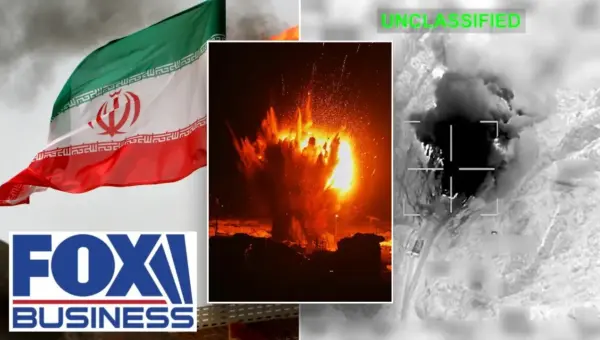
Escalating tensions with Iran are driving oil prices higher, while U.S. troop deployments to the Middle East increase. Meanwhile, American farmers are receiving relief from rising costs through regulatory changes and support measures, as devastating wildfires impact Nebraska's cattle industry.
Iran Conflict Sparks Market Volatility, Experts Weigh In
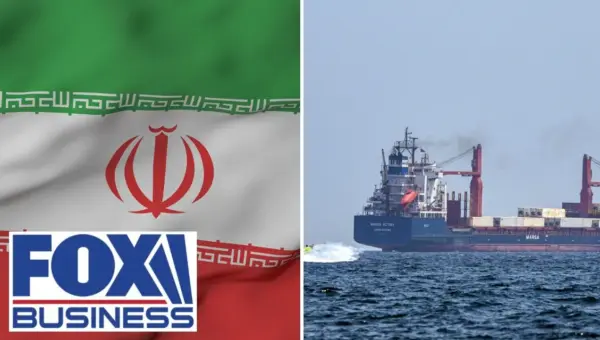
Geopolitical tensions in the Middle East have rattled global markets, with stocks falling and safe-haven assets like the U.S. dollar strengthening. Experts suggest the market may have overreacted, creating potential buying opportunities, but warn of a "bumpy journey" ahead due to infrastructure damage and potential oil shortages. Concerns also linger about the Federal Reserve's independence amidst political commentary.


Iran’s Capabilities Destroyed, Stocks to Soar: Analyst
Geopolitical analysis suggests Iran's military capabilities are nearing destruction, paving the way for U.S. control of the Strait of Hormuz. This resolution is expected to lower oil prices and significantly boost the stock market, according to market watchers.