US Strikes Iran: Unprepared for Regional Fallout?
The United States and Israel have launched coordinated strikes targeting Iran's missile infrastructure, with former President Trump vowing a "massive and ongoing operation." While Iran claims a counterattack, concerns mount over the U.S.'s preparedness for the potential aftermath, including regional instability and the risk of entanglement in internal Iranian affairs. The UK has stated it did not participate in the strikes.

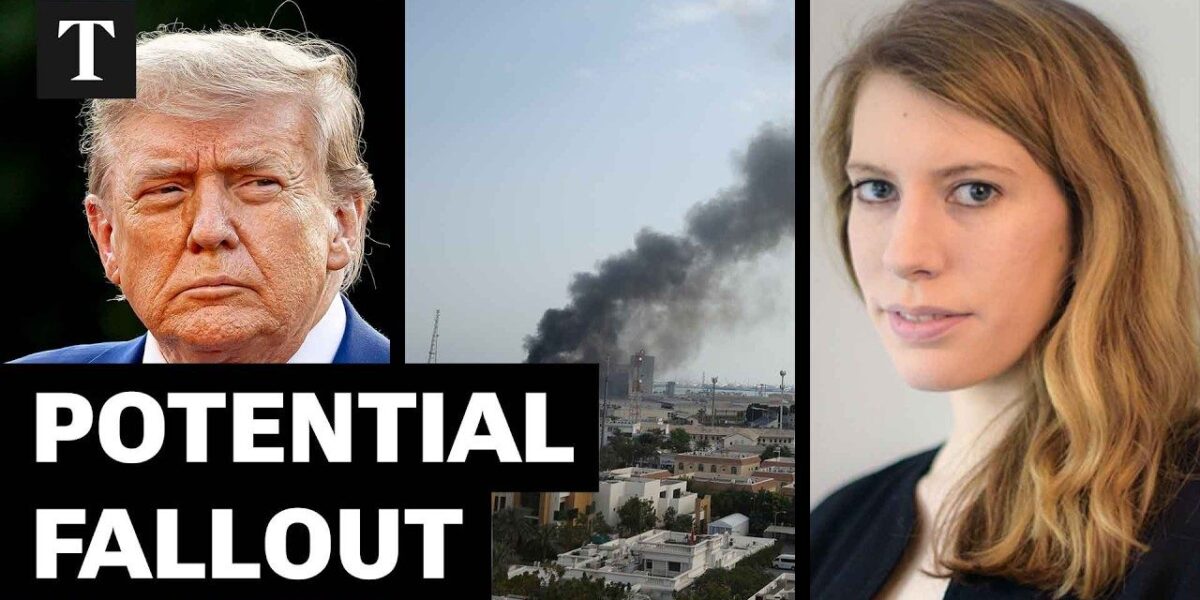
US and Israel Launch Coordinated Strikes on Iran Amid Escalating Tensions
In a significant development early this morning, the United States and Israel have launched a coordinated series of attacks targeting Iran, described by former President Donald Trump as a “major combat operation.” The strikes, aimed at Iran’s missile infrastructure and naval capabilities, have been framed by the Trump administration as a necessary measure to counter a “wicked, radical dictatorship” threatening American national security interests. The operation seeks to dismantle Iran’s missile industry, annihilate its navy, and prevent regional proxies from destabilizing the area or attacking U.S. forces. A key objective reiterated is to ensure Iran does not obtain nuclear weapons.
Trump Vows “Massive and Ongoing Operation” Against Iran
Former President Donald Trump, in a strong statement, declared the U.S. military’s undertaking as a “massive and ongoing operation.” He emphasized the commitment to “destroy their missiles and raise their missile industry to the ground. It will be totally again obliterated. We are going to annihilate their navy.” Trump asserted that the regime’s proxies would no longer be able to destabilize the region or attack American forces, particularly through the use of improvised explosive devices (IEDs). The overarching message, he stated, was clear: “They will never have a nuclear weapon.” He also highlighted the strength and sophistication of the rebuilt U.S. military, claiming it is unmatched globally, and assured that steps have been taken to minimize risks to U.S. personnel in the region. The administration has also accused the Iranian regime of seeking to kill President Trump.
“We are going to destroy their missiles and raise their missile industry to the ground. It will be totally again obliterated. We are going to annihilate their navy.”
Donald Trump (as quoted in transcript)
Iran Claims Counterattack; Explosions Reported Across Region
Following the U.S. and Israeli actions, Iran’s Islamic Revolutionary Guard announced it had launched a counterattack. Reports of explosions have emerged from Israel, the United Arab Emirates, Qatar, Saudi Arabia, and Bahrain. The U.S. Navy’s Fifth Fleet, stationed in the region, was also reportedly targeted by a missile attack. This retaliatory action raises significant concerns about the potential for a wider regional conflict.
Regime Change Ambitions and International Concerns
The nature and long-term objectives of the strikes are subject to intense scrutiny. Questions linger as to whether the operation is intended to facilitate regime change in Iran. Ben Wallace, former UK Defense Secretary, speaking to Times Radio, expressed concerns about the potential dangers, stating, “the dangers are the Iranians rise up and are brutally suppressed by a regime well practiced in it and that the United States doesn’t follow through or anybody follow through on its declaration.” He cautioned that encouraging an uprising without providing adequate support, training, or equipment could lead to dire consequences for the Iranian population.
“You can’t just encourage people to rise up if you haven’t equipped them or trained them or supported them in its purest form if that’s what you were going to do as a country’s ambition.”
Ben Wallace (as quoted in transcript)
UK Government’s Position: Non-Participation and Calls for Negotiation
The United Kingdom has confirmed it did not participate in the strikes. Prime Minister Rishi Sunak was scheduled to chair an emergency ministerial Cobra meeting to discuss the developing situation. The UK government reiterated its stance that Iran must never be allowed to develop nuclear weapons and affirmed its continuous support for negotiated solutions. While the UK has bolstered its defensive capabilities in the region to protect its interests, it has expressed a desire to avoid further escalation into a broader regional conflict. Notably, the UK government had previously refused requests to use its bases for such operations.
Uncertainty Over U.S. Strategy and Potential for Entanglement
Journalists and analysts are struggling to ascertain the precise long-term strategy behind the U.S. actions. Katy Balls, Washington Editor for The Times, noted the ambiguity surrounding Trump’s intentions, suggesting a possible dual approach: targeted strikes on missiles combined with a broader aim for regime change. The rhetoric from Trump, encouraging the Iranian people to seize an opportunity, has been interpreted as throwing the ball to the opposition. However, the potential for the U.S. to become deeply entangled in a messy and violent internal situation in Iran, should popular uprisings be brutally suppressed, remains a significant concern. Figures close to the administration have reportedly expressed nervousness about this very scenario for weeks, drawing comparisons to Venezuela but acknowledging the stark differences in context and the lack of a clear successor regime within Iran that could align with U.S. objectives.
Domestic Political and Public Reaction
Domestically, the situation is still unfolding as the U.S. wakes up to the news. Polling suggests a lack of widespread public appetite for new foreign conflicts, especially given the upcoming mid-term elections and a focus on domestic economic issues. Concerns exist that a prolonged intervention could detract from the affordability and economic agenda that resonates with the Trump voter base and contradicts the “America First” ethos of reduced foreign entanglements.
Looking Ahead: Regional Stability and U.S. Commitment
The coming days will be critical in determining the trajectory of this escalating crisis. Key questions remain unanswered regarding the U.S.’s long-term commitment to any potential internal Iranian movement, its strategy for de-escalation, and its preparedness to manage the unpredictable consequences of its military actions. The international community will be closely watching for signs of a wider regional war or a sustained period of intense diplomatic and military maneuvering.
Source: The US Doesn’t Seem Prepared To Deal With The Aftermath Of The Strikes | Katy Balls (YouTube)

Related Articles

Trump Threatens “Unseen” Force on Iran After Leader’s Death
Following the assassination of Supreme Leader Ayatollah Ali Khamenei, U.S. President Donald Trump has vowed to unleash unprecedented force on Iran. While outlining ambitious goals including regime change, experts express skepticism about the effectiveness of airstrikes and the potential for popular uprising against a resilient Iranian government.

Senator Coons Questions Trump’s Iran Strategy After Troop Deaths
Senator Chris Coons has sharply criticized President Trump's strategy in Iran following the deaths of three U.S. service members. Coons questioned the intelligence regarding Iran's nuclear proximity and the lack of clear strategy and congressional debate for the "war of choice."

Nuclear Expert Debunks Trump’s Iran Bomb Timeline
Nuclear security expert Joe Cirincione refutes claims that Iran was two weeks from a nuclear bomb, stating the process would take months. He analyzes recent strikes on Iran's nuclear facilities, arguing military solutions are insufficient and diplomacy with inspectors is key.