US Strikes Iran: Trump Warns of Harsher Retaliation
The U.S. has launched a major offensive against Iran, striking over a dozen vessels and missile launchers in response to threats in the Strait of Hormuz. President Trump warned of severe retaliation if Iran attacks ships, as the conflict fuels rising gas prices and economic uncertainty.

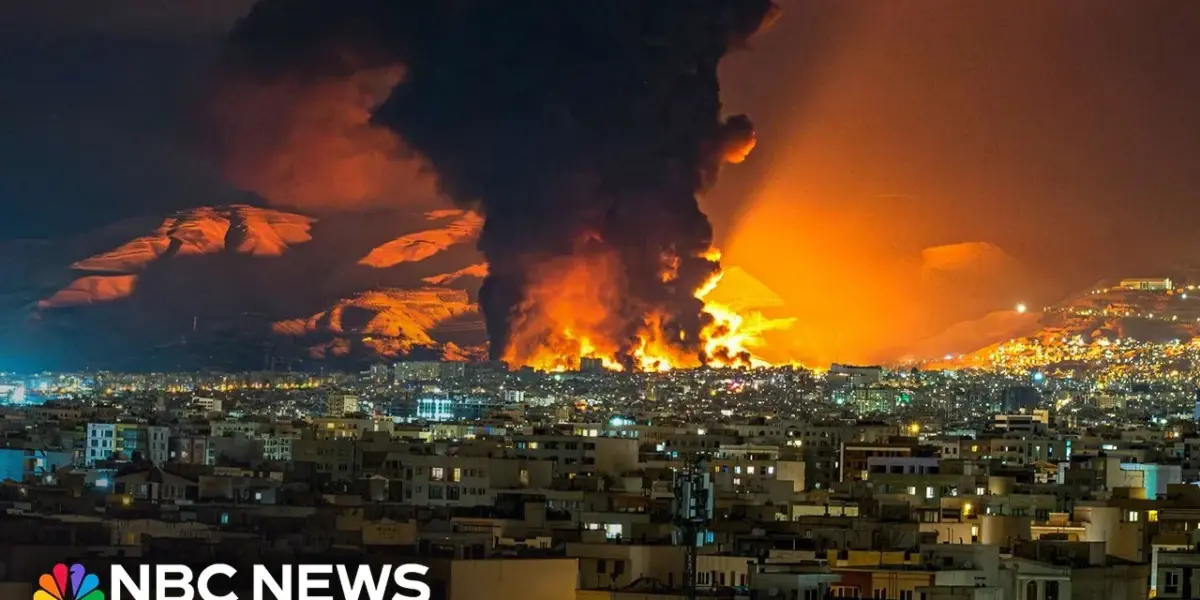
US Unleashes Major Strikes on Iran Amid Strait of Hormuz Tensions
The United States has launched a significant wave of retaliatory strikes against Iran, targeting over a dozen Iranian vessels and missile launchers in response to escalating threats in the vital Strait of Hormuz. President Trump issued a stark warning, vowing to hit back even harder if Iran attempts to disrupt global oil supplies by attacking ships in the strategically crucial waterway. The announcement follows a day of intense military action, described by the Defense Secretary as the “most intense day of strikes yet.” The conflict has sent shockwaves through global markets, causing oil prices to fluctuate wildly and gasoline prices to surge domestically.
Intensified Military Operations and Strategic Targets
New video footage released by the military depicts the scale of the U.S. response. The footage shows launchers firing and intercepting Iranian missiles, the destruction of Iranian missile launchers hidden in tunnels and under overpasses, and multiple Iranian vessels engulfed in flames. The Pentagon stated that the strikes targeted ships capable of laying explosive mines in the Strait of Hormuz, a critical chokepoint for global oil transportation. These operations are part of a broader campaign, with the Pentagon reporting that over 5,000 targets within Iran have been struck, leading to a significant decrease in attacks. “Today will be yet again our most intense day of strikes inside Iran. The most fighters, the most bombers, the most strikes,” a Defense Department official stated, highlighting the escalated military posture.
Economic Repercussions: Oil Prices and Gas Station Pain
The escalating tensions have had a direct and immediate impact on the U.S. economy. While crude oil prices saw a dip following an initial surge and a quickly deleted post from Energy Secretary Chris Wright about a U.S. Navy escort of an oil tanker, the price at the pump for American consumers continues to climb. Gasoline prices have risen approximately 55 cents since the conflict began, with some states like California experiencing prices well over $5.00 per gallon. This surge is forcing Americans to reconsider daily financial decisions. For individuals reliant on driving for their livelihood, such as rideshare and delivery drivers, the rising costs are particularly burdensome. “It makes me sick,” one driver commented on seeing gas prices nearing $5.79 a gallon.
Impact on Agriculture and Small Businesses
The economic fallout extends beyond fuel costs, significantly affecting other sectors. Farmers preparing for the spring planting season are facing steep increases in operational costs. “I have a tractor that requires 100 gallons of diesel fuel to fill it up, and it costs me $469,” one farmer explained. The disruption to global supply chains, exacerbated by the conflict, is also impacting the availability of crucial agricultural inputs like fertilizer. “Due to the war and the bombing through that area, the fertilizer isn’t moving which means it won’t be readily available at all to me right now,” he added. Small businesses are also feeling the pinch, with some forced to raise prices for their services. A flower shop owner noted a 20% increase in delivery prices, stating, “If I have to eat the gas every time, it’s going to hurt.”
Human Toll and Shifting War Aims
Beyond the economic and military dimensions, the conflict is taking a toll on U.S. service members. The Pentagon has announced that 140 service members have been wounded, with eight listed as severely injured. Tragically, seven service members have lost their lives, with a recent dignified transfer ceremony held for the seventh fallen soldier. Amidst the ongoing operations, questions are arising about the potential shift in U.S. war aims. President Trump has suggested the conflict could conclude much sooner than initially anticipated, stating the U.S. is “very far ahead of its initial four to five-week schedule.” However, he also indicated that the U.S. has not yet “won enough,” leading to speculation about the ultimate objectives. The President’s comments about potentially influencing the selection of a new Iranian leader have further fueled debate, with critics questioning if this constitutes a regime change war. Officials maintain that removing a “radical terrorist” from power is in the “best interests of the United States and the West.”
Broader Geopolitical Context and Human Rights Concerns
The conflict is occurring against a backdrop of broader geopolitical tensions and human rights concerns within Iran. In a separate development, five members of Iran’s women’s soccer team were granted asylum in Australia after protesting the Iranian regime by refusing to sing the national anthem. Iranian state TV had branded them as traitors. This incident highlights the internal dissent within Iran and the risks faced by those who oppose the government. Meanwhile, Iran continues to launch attacks on its Arab neighbors, with reports of an Iranian drone being intercepted by United Arab Emirates fighter jets and a woman killed in Bahrain during an Iranian strike on a residential area.
Looking Ahead: The Path to Resolution
As the U.S. continues its robust military response, the focus remains on securing the Strait of Hormuz and deterring further Iranian aggression. The economic stability of the region and the global energy market hangs in the balance. The coming days will be critical in determining whether President Trump’s warnings will lead to de-escalation or further intensification of the conflict. The world will be watching closely to see how Iran responds to the sustained U.S. pressure and whether diplomatic avenues can be pursued amidst the heightened military activity.
Source: U.S. unleashes massive wave of attacks as President Trump issues new warning to Iran (YouTube)

Related Articles


Trump Administration Sends Mixed Signals on Iran War
The Trump administration is facing scrutiny for sending conflicting messages about the ongoing conflict in Iran, with reports of internal pressure to find an exit strategy. Amidst rising casualties and public backlash over gas prices, the war's unprecedented unpopularity is raising questions about the administration's strategy and the president's commitment to de-escalation.

Experts Dispute US Claims on Iran Reactor’s Nuclear Bomb Role
Nuclear experts are publicly disputing the Trump administration's claims that Iran's Tehran Research Reactor is being used to develop nuclear weapons. Scientists assert the U.S.-built facility, operational for decades for civilian research, lacks the capacity for bomb-making.


Trump’s War Costs Ignite Fury Across Political Divide
As the US expends billions on a new Middle East conflict, questions about cost, rationale, and broken promises ignite fury across the political divide. Even Fox News and conservative figures are voicing concerns, highlighting the growing public unease with escalating warfare.