US Strikes Iran: Trump Cites Negotiation Failure, Markets Reel
The U.S. and Israel have launched joint military strikes against Iran, killing Supreme Leader Ali Khamenei and igniting regional conflict. President Trump cited failed negotiations as the catalyst, while economic markets reacted with surging oil prices. The U.S. plans naval escorts for tankers and is arranging evacuations for citizens in the affected region.

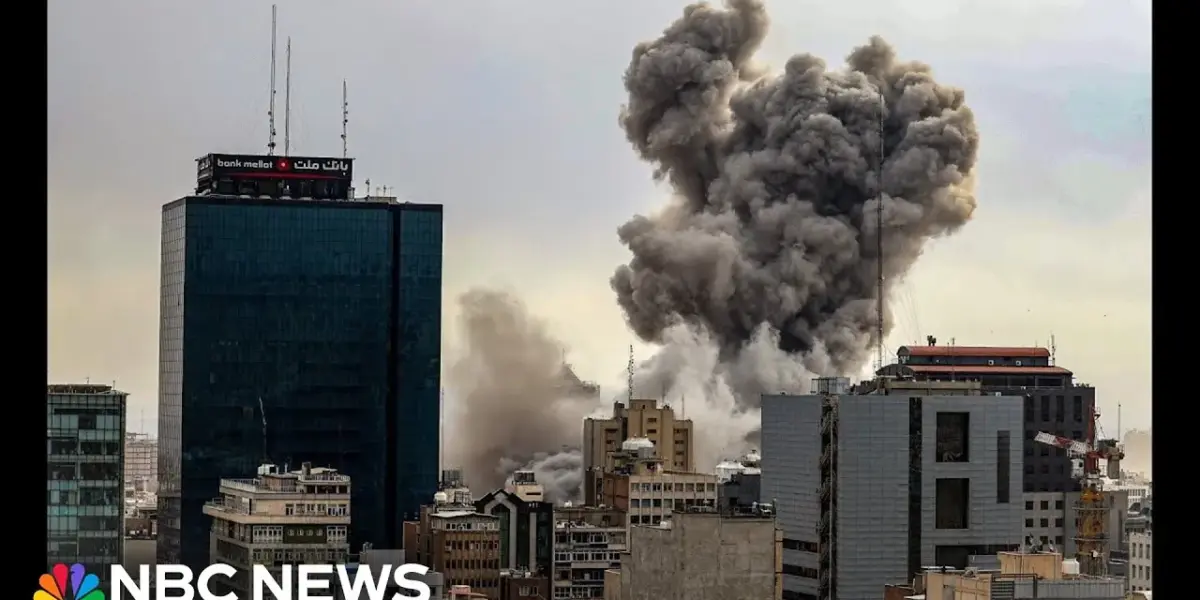
US Launches Joint Strikes on Iran, Citing Negotiation Breakdown
In a dramatic escalation of regional tensions, the United States and Israel have launched joint military operations against Iran, resulting in the death of Iran’s Supreme Leader Ali Khamenei. The strikes, which began four days ago, have thrust the entire region into a broader conflict, prompting significant economic and security concerns globally.
President Trump Explains Rationale for Military Action
President Trump, speaking to reporters, asserted that the decision to strike was preemptive, driven by intelligence suggesting Iran was on the verge of attacking. “We were having negotiations with these lunatics, and it was my opinion that they were going to attack first,” Trump stated. “If we didn’t do it, they were going to attack first. I felt strongly about that.” He emphasized the significant damage inflicted on Iran’s military capabilities, including air defenses and detection facilities.
This explanation contrasts with earlier statements by Secretary of State Marco Rubio, who had indicated awareness of potential Israeli action and the likelihood of Iranian retaliation against American forces. However, Rubio later clarified that the discrepancy was a matter of timing and the joint nature of the operation, reiterating that the President’s decision was based on the belief that negotiations were failing and Iran posed an untenable threat.
Economic Fallout: Oil Prices Surge Amidst Maritime Trade Concerns
The conflict has had an immediate and substantial impact on global markets. Oil prices have surged approximately 10% since the war’s inception. The Strait of Hormuz, a critical chokepoint for global oil supply, accounts for roughly 20% of the world’s oil production. Any disruption there, or threats to maritime trade, can lead to significant price spikes.
In response to the rising prices and potential supply crunch, President Trump announced on social media that the U.S. would provide a financial lifeline for maritime trade. “If necessary, the U.S. Navy will begin escorting tankers in the region to prevent an oil supply crunch,” he declared. This move aims to reassure shipping companies and stabilize markets, though the effectiveness of naval escorts against Iranian threats remains a concern.
Brian Cheung, NBC News Business Correspondent, noted that “for every $10 that an estimated barrel of oil goes up in price, the consumer faces about a 25 cent increase in the prices that they pay at the pump.” He added that the President’s announcement of naval escorts might not be enough to assuage fears, especially given Iran’s threats to attack ships in the Strait of Hormuz. The U.S. Development Finance Corporation is set to provide insurance to tankers, with the U.S. Navy potentially escorting them through the critical waterway.
Americans in the Region Urged to Evacuate Amidst Diplomatic Missions Closing
The escalating conflict has also created a perilous situation for American citizens residing or traveling in the region. The State Department has urged Americans to leave, with at least three embassies scheduled to close. A recorded message for those calling the State Department’s emergency hotline states, “Please do not rely on the U.S. government for assisted departure or evacuation at this time. There are currently no United States evacuation points.”
Monica Alba, NBC News White House Correspondent, reported that the administration is now actively arranging chartered flights for citizens wishing to depart, acknowledging a lack of a comprehensive evacuation plan prior to the escalation. This logistical challenge is compounded by closed airspace and canceled commercial flights in several countries.
Strategic Objectives and the Question of Regime Change
Retired four-star General and former CIA Director David Petraeus provided a strategic assessment of the operations. He highlighted “extraordinary achievements,” including the elimination of top Iranian leadership and significant damage to Iran’s missile and drone programs, as well as naval assets. “There’s been enormous damage done to the principal targets of this operation,” Petraeus noted.
However, Petraeus cautioned against expecting regime change solely through air power. “The US from the air can do a great deal to damage these regime forces, but it can’t bring about regime change through the air,” he stated. He emphasized that the conditions on the ground would need to enable the Iranian populace to rise up, a scenario that is not yet evident.
When pressed on the possibility of U.S. “boots on the ground” for regime change, Petraeus suggested that the worst-case scenario, as described by President Trump, would be the installation of another hardline ideologue. The ongoing strikes, including one on the Assembly of Experts tasked with electing the next Supreme Leader, aim to degrade Iran’s military capabilities, but the ultimate political outcome remains uncertain.
Regional Instability and Escalation by Proxies
The conflict has seen Iran’s proxies, including Hezbollah and Shia militias in Iraq, engage in attacks against Israel and U.S. interests. This horizontal escalation has drawn previously neutral Gulf states into the fray. Matt Bradley, NBC News Correspondent, reported from Tel Aviv amidst air raid sirens, underscoring the immediate danger faced by those in the region. Israel has also launched a ground operation in southern Lebanon in response to Hezbollah’s involvement.
Future Outlook: Continued Military Operations and Unclear Political Goals
Courtney Kube, NBC News National Security Correspondent, discussed the phased approach of the military operations, suggesting that strikes on Iran’s nuclear program could be a future phase. While military objectives like the destruction of missile programs and naval assets are finite, the broader goal of regime change remains elusive and undefined for the military. The administration appears to be observing how the situation unfolds, with President Trump consistently pointing to the potential for the Iranian people to rise up.
The ongoing military actions, coupled with economic volatility and the potential for further escalation by regional actors, paint a complex and uncertain picture for the future of Iran and the Middle East. The administration’s focus remains on degrading Iran’s military capacity while navigating the economic repercussions and the safety of American citizens abroad.
Source: U.S. cannot force regime change in Iran ‘through the air’: Fmr. CIA Director Petraeus (YouTube)

Related Articles
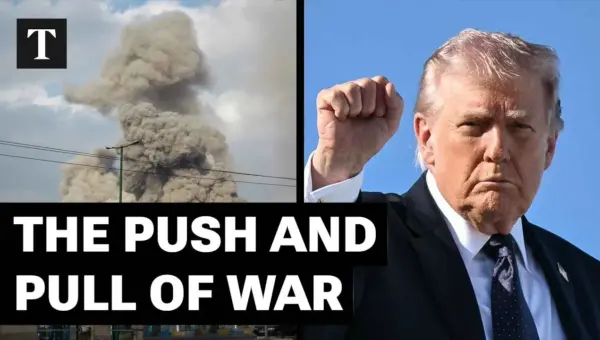
US Strikes Iran: McMaster Explains Objectives Amidst Regional Tensions
Former National Security Advisor H.R. McMaster detailed the U.S. military's immediate objectives in striking Iran, focusing on denying destructive weapons and countering proxy warfare. He indicated that lasting regional security may require a fundamental change in Iran's government, driven by its own people.

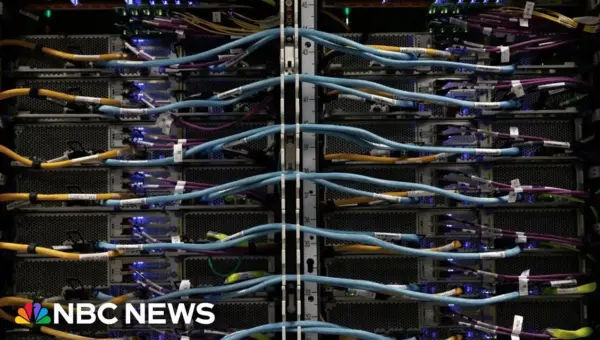
Iran Cyber Threats: US Faces Limited Retaliation Risk
While Iran has issued threats of cyber retaliation against the U.S., analysts suggest their capabilities are limited, focusing instead on minor incidents. However, recent drone strikes on Amazon data centers in the Middle East highlight the broader risks to digital infrastructure.

Iran Crisis Spikes Oil Prices, Threatens Global Energy Supply
Millions of barrels of crude oil are being held back daily from global markets, pushing prices up and threatening an energy crisis. The prolonged disruption highlights the world's continued dependence on fossil fuels and the geopolitical risks involved.