US Strikes Iran, Then Halts Attack Amid Diplomatic Push
The US launched significant strikes against Iran, destroying military targets and drones. However, President Trump announced a temporary postponement of further attacks on energy infrastructure following productive diplomatic talks. This shift highlights the ongoing tension between military action and diplomatic resolution in the region.


US Strikes Iran, Then Halts Attack Amid Diplomatic Push
In a rapidly developing situation, the United States launched significant strikes against targets in Iran over the weekend of March 23rd. These actions marked some of the most substantial military operations of the ongoing conflict. The footage released showed intense explosions and widespread destruction at Iranian military sites, including IRGC naval bases and missile facilities. US aircraft, from heavy bombers to fighter jets, were reportedly involved in these operations.
Intense Military Action
Visuals from the strikes depicted massive explosions, thick black smoke rising into the air, and facilities engulfed in flames. One report highlighted strikes hitting an IRGC naval base in Sjon, while others showed heavy attacks on the Iranian capital, Tehran, and areas west of it, like Karaj. US Central Command also released footage showing the destruction of Iranian one-way attack drones, which are used to target civilians. These drones are described as small and easily moved, making them difficult to track and eliminate.
The military operations also targeted missile facilities. For example, the Kuhoo (or Kui B) Baramali missile facility, which was involved in assembling short and medium-range ballistic missiles, was reportedly flattened. This shows the US military’s effort to degrade Iran’s missile capabilities.
Iran’s Counter-Attacks and Capabilities
Despite the intense US strikes, Iran has continued to retaliate. The country has been firing ballistic missiles and cluster munitions across the Middle East, particularly targeting Israel. While some observers believe Iran’s firing rate has decreased, it still possesses significant launch capabilities. The use of cluster munitions is particularly concerning. These weapons break into smaller bomblets that spread over a wide area, making them indiscriminate and dangerous. A significant portion of these bomblets can fail to detonate, posing a long-term threat, especially to civilians, including children who might mistake them for toys.
Intercepting these varied threats has been a focus for defense systems. Footage showed an air defense system intercepting a ballistic missile in outer space, a complex maneuver to neutralize incoming threats. The range of Iranian missiles has also been a point of concern. Iran recently fired ballistic missiles at Diego Garcia in the Indian Ocean, a location farther than many experts had predicted. Experts believe these missiles could be variants of the Cormashar 4, potentially capable of reaching parts of the United Kingdom. These missiles were intercepted by US Navy air defense systems.
Diplomatic Turnaround and Postponed Strikes
In a surprising development, President Donald Trump announced on the morning of March 23rd that plans for further strikes on Iranian power plants and energy infrastructure have been temporarily postponed. This announcement came after what he described as “very good and productive conversations” between the United States and Iran over the preceding two days. These discussions are aimed at achieving a “complete and total resolution” to the hostilities in the Middle East. Based on the positive tone of these talks, which are set to continue throughout the week, President Trump has instructed the Department of War to halt any military strikes for a five-day period.
This diplomatic outreach suggests a potential de-escalation of the conflict. The postponement of strikes on critical infrastructure like power plants indicates a willingness from both sides to explore peaceful resolutions. However, the situation remains fluid, and the success of these ongoing negotiations will determine whether hostilities truly wind down or if tensions could rise again.
Why This Matters
The recent events highlight the volatile nature of the conflict in the Middle East. The US demonstrated its significant military power by launching extensive strikes, aiming to degrade Iran’s offensive capabilities. Simultaneously, Iran’s continued missile launches and use of cluster munitions show its persistent ability to project force and pose a threat to regional stability. The announcement of diplomatic talks and the postponement of further strikes offer a glimmer of hope for de-escalation. It underscores the critical role of diplomacy in managing international conflicts, even amidst active military engagements. The effectiveness of these talks will be closely watched, as they could signal a path towards peace or a prelude to renewed hostilities.
Implications, Trends, and Future Outlook
The conflict’s trajectory now hinges on the success of the ongoing diplomatic discussions. If talks yield positive results, we could see a significant reduction in military actions and a move towards a more stable regional environment. This would align with a broader trend of seeking diplomatic solutions to complex geopolitical issues. However, the history of such conflicts suggests that progress is rarely linear. The presence of hardline factions on both sides could easily derail negotiations, leading to a resurgence of military action.
The extended range of Iranian missiles, as evidenced by the Diego Garcia attack, is a worrying trend that requires continuous monitoring by global powers. It necessitates advanced air defense capabilities and robust intelligence gathering. The use of cluster munitions also raises humanitarian concerns and international calls for stricter controls on such weapons.
Looking ahead, the coming days and weeks are crucial. The world will be observing whether the current diplomatic channel can be sustained and lead to lasting de-escalation. The potential for future strikes, especially on critical infrastructure, remains a possibility if talks falter. The ability of both nations to manage their respective domestic political pressures will also play a significant role in shaping the conflict’s future.
Historical Context
Tensions between the United States and Iran have a long and complex history, marked by periods of intense confrontation and intermittent diplomatic engagement. The current conflict can be seen as an escalation of long-standing geopolitical rivalries, often involving proxy conflicts and disputes over regional influence. Past incidents, such as the Iran nuclear deal negotiations and the subsequent withdrawal, have shaped the current adversarial relationship. Understanding this historical backdrop is essential to grasping the complexities and potential outcomes of the current situation. Each strike, each missile launch, and each diplomatic overture are part of a larger narrative that has unfolded over decades, influencing the dynamics of power and the pursuit of security in the Middle East.
Source: U.S. Military OBLITERATES Iran Targets – Trump Reveals HUGE War Update (YouTube)

Related Articles
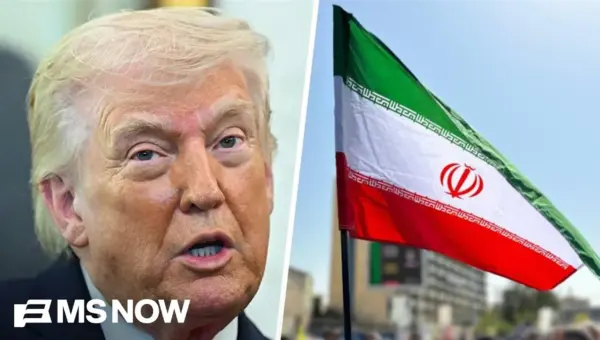
Trump Extends Iran Truce Amid Conflicting Signals, Troop Buildup
President Trump has extended a pause on threats against Iran, but conflicting statements from both sides and a significant U.S. troop buildup are fueling uncertainty and fears of escalation. The Strait of Hormuz remains a critical point of tension, impacting global oil markets.

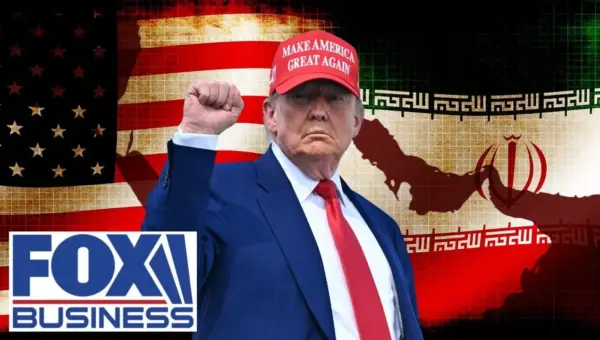
Trump Pauses Iran Strikes as Talks Yield Oil Shipments
President Trump has paused strikes on Iranian energy facilities for ten days as Iran offers oil shipments amid ongoing talks. The Pentagon is considering sending more troops, while domestic protests highlight divisions. The situation remains tense with significant economic stakes.


DC’s Cherry Blossoms Signal Enduring US-Japan Friendship
Washington D.C.'s cherry blossoms have reached peak bloom, a stunning but brief spectacle. These trees, a 1912 gift from Japan, symbolize enduring friendship between the two nations and are celebrated annually.