US Strikes Iran: Six Americans Dead, ‘Bigger Wave’ Looms
The U.S. has launched significant strikes against Iran, resulting in six American deaths and escalating fears of further conflict. Officials cite preemptive action and the elimination of threats as key rationales, while global markets brace for oil disruptions. The situation remains volatile as a 'bigger wave' of attacks looms.


US Strikes Iran Amid Escalating Middle East Conflict
The United States has launched significant military strikes against Iran, resulting in the deaths of six American service members and raising fears of a “bigger wave” of attacks to come. President Trump, while not ruling out the possibility of deploying troops on the ground, described the initial strikes as the “last, best chance to strike” and “eliminate the intolerable threats posed by this sick and sinister regime.” The ongoing conflict has paralyzed travel in the Middle East, led to evacuations of diplomatic missions, and sparked global concerns over oil supply disruptions.
Escalation and Casualties
As of March 2, the U.S. military confirmed the deaths of six American service members in an incident in Kuwait, with officials acknowledging the possibility of the number rising. The Pentagon stated that while efforts are underway to mitigate casualties, the reality of the situation is grim. The strikes, which began with an initial wave targeting air defenses and missile systems, have now entered a phase where manned aircraft are actively engaged in taking out missile launchers, production facilities, and other strategic sites. The U.S. military reports having struck over 1,200 targets in the first two and a half days of the operation. Meanwhile, Iranian state media reported new explosions across Tehran, with the Iranian Red Crescent stating over 500 people have been killed. Israel is also reporting new attacks, with at least nine people killed in that country.
Rationale Behind the Strikes
Secretary of State Marco Rubio provided insight into the timing of the U.S. strikes, suggesting a preemptive strategy. He stated that the U.S. knew an Israeli action was imminent, which would have precipitated an attack against American forces. “We knew that if we didn’t preemptively go after them before they launched those attacks, we would suffer higher casualties and perhaps even higher those killed,” Rubio explained. This preemptive strike narrative is being used to justify the military action, potentially avoiding the need for Congressional authorization by framing it as an act of self-defense for troops in the region.
The Trump administration has outlined several objectives for the operation, including starving proxies of funding, eliminating nuclear and missile capabilities, and neutralizing the Iranian navy. The President himself has framed the conflict personally, stating, “I got him before he could get me,” referring to the Ayatollah and potential threats against him.
Global Ramifications: Oil and Travel
The conflict’s impact is being felt globally, particularly in the energy sector. Iran has threatened to close the Strait of Hormuz, a critical chokepoint for global oil transport. This threat has already led to a slight increase in gas prices in the U.S. While OPEC+ nations have pledged to boost oil production, analysts suggest this may only blunt the rate of price increases rather than fully offset them. The U.S. Energy and Treasury Secretaries are expected to announce measures to mitigate higher gas prices for American consumers.
Beyond oil, the conflict has caused widespread travel disruptions in the Middle East, leading to the evacuation of the U.S. embassy in Jordan due to potential threats. Passengers have been left stranded overseas as travel has been paralyzed.
Political Landscape and Public Opinion
Domestically, the strikes have generated varied reactions. While Democrats have expressed disapproval, initial polling suggests that 55% of Republicans approve of the new military action, compared to 44% of independents who disapprove. This political backdrop is significant, especially with upcoming midterm elections. The President’s “America First” campaign promises, which included a pledge to end “endless foreign wars,” are juxtaposed with the current military engagement, though his base largely remains supportive.
The leadership vacuum within Iran following the death of the Ayatollah adds another layer of complexity, with the Iranian leadership council scrambling to determine a successor. The U.S. has stated it is not involved in any nation-building efforts.
Looking Ahead
As the conflict intensifies, attention is focused on the potential for Iranian retaliation and the nature of the “bigger wave” of strikes threatened by the U.S. The effectiveness of regional air defenses against a barrage of projectiles remains a critical concern. The world watches closely for further developments, including potential diplomatic off-ramps and the long-term implications for regional stability and global energy markets.
Source: LIVE: NBC News NOW – March 2 (YouTube)

Related Articles


Lebanon Flees Homes as IDF Airstrikes Hit Beirut
Thousands of Lebanese civilians are fleeing their homes in Beirut after Israeli airstrikes targeted the capital. Families are stranded on streets amid freezing temperatures, facing an uncertain and potentially dangerous future as the conflict intensifies.
Iran Strikes: Talks Progressed Before U.S. Action, Say Negotiators
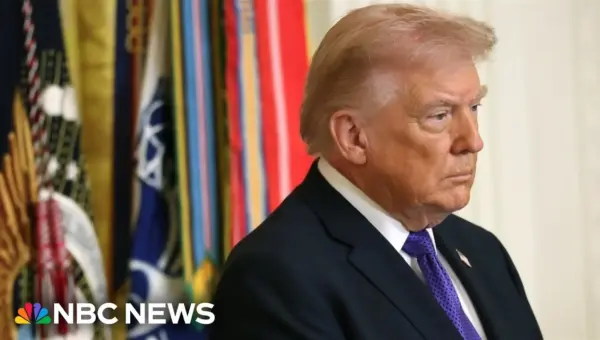
Negotiators involved in recent U.S.-Iran talks have contradicted claims that talks failed, asserting that progress was being made before military strikes commenced. Omani mediators and other Arab negotiators state that Iran did not walk away and that an opportunity for diplomacy was missed, raising questions about the justification for the U.S. military action.

Iran War Escalates: US Casualties Mount Amidst Regional Chaos
The conflict with Iran is intensifying, marked by rising U.S. casualties and the closure of the Strait of Hormuz. This escalation carries significant economic repercussions and raises concerns about a wider regional war and even global conflict.