US Strikes Iran Missile Sites with New Bombs
U.S. F-15E jets deployed GBU-72 bombs on Iranian missile sites near the Strait of Hormuz. The strikes also reportedly eliminated key leaders Larijani and Soleimani, aiming to disrupt Iran's military capabilities and secure vital shipping lanes.


US Air Force Hits Iranian Targets Near Hormuz
The United States Air Force has conducted significant strikes against Iranian missile sites located near the critical Strait of Hormuz. U.S. F-15E Strike Eagle fighter jets delivered GBU-72 bombs, a deep-penetrating munition, directly onto these strategic locations on March 17, 2026. This action is part of an escalating conflict between the U.S. and Iran.
Key Leaders Eliminated in Strikes
In addition to targeting missile infrastructure, the U.S. strikes also resulted in the elimination of prominent Iranian leadership figures. Sources indicate that individuals identified as Larijani and Soleimani were among those killed in these operations. The exact timing and specific units involved in these leadership strikes were not detailed, but they are presented as a direct consequence of the broader military actions.
Strategic Importance of the Strait of Hormuz
The Strait of Hormuz is a vital global chokepoint for oil transportation. Roughly 20% of the world’s total petroleum liquids, including crude oil and petroleum products, passes through this narrow waterway annually. Control or disruption of this strait has significant global economic and geopolitical implications. Targeting missile sites in this vicinity suggests a U.S. effort to neutralize potential threats to maritime traffic and regional stability.
GBU-72 Deep Penetrator Bomb
The GBU-72 is a large, heavy bomb designed to penetrate deeply into hardened targets, such as underground bunkers or buried missile facilities. It is an advanced munition capable of destroying targets that conventional bombs might not penetrate. Its use signifies a deliberate effort to eliminate deeply buried or well-protected Iranian military assets that could pose a threat to U.S. forces or allies in the region. Think of it like a super-powered drill bit that can bore through concrete and earth to reach its target.
Impact on Iranian Command and Control
The reported elimination of key leaders like Larijani and Soleimani, if confirmed, could severely disrupt Iran’s command and control structure. These individuals likely held significant positions within the Iranian military or political establishment. Removing them could degrade Iran’s ability to coordinate military operations, plan future actions, and maintain overall strategic direction. This type of decapitation strike aims to cripple an adversary’s leadership and disrupt their decision-making processes.
Broader Geopolitical Context
The strikes occur within a period of heightened tensions and escalating conflict between the United States and Iran. The U.S. Air Force’s use of advanced munitions like the GBU-72 and its targeting of both infrastructure and leadership reflect a strategy to degrade Iran’s military capabilities and deter further aggression. The Strait of Hormuz remains a flashpoint, and any threat to its security draws international attention due to its global economic impact. The conflict could draw in regional powers and affect global energy markets.
What This Means on the Ground
For the immediate region, these strikes represent a significant escalation. By neutralizing missile sites near the Strait of Hormuz, the U.S. aims to secure vital shipping lanes. The loss of key leaders could lead to a period of uncertainty and potential instability within Iran’s military and political leadership. This might result in a temporary reduction in Iran’s offensive capabilities or, conversely, a more unpredictable response. The employment of deep-penetrating munitions indicates a focus on eliminating high-value, hardened targets that were previously considered safe.
Historical Parallels
The strategy of using airpower to target both military infrastructure and enemy leadership is a long-standing doctrine in modern warfare. During World War II, Allied air forces conducted strategic bombing campaigns targeting industrial centers and leadership figures. More recently, similar tactics have been employed in various conflicts to degrade an adversary’s ability to wage war. The use of precision-guided munitions like the GBU-72 modernizes this approach, allowing for more targeted and potentially less collateral damage, though the effectiveness in deep, hardened sites remains a key consideration.
Source: F-15E's Just Dropped Something HUGE On Iran LIVESTREAM | 6pm MT March 17th 2026 (YouTube)

Related Articles

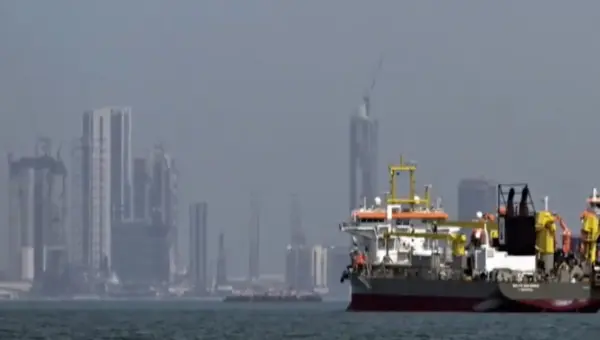
Iran Blocks China Ships, Exposing Beijing’s Weak Grip
Iran's recent decision to block Chinese ships at the Strait of Hormuz is exposing the limits of Beijing's influence in the Middle East. This action is causing delays and cancellations for Chinese manufacturers, turning a perceived geopolitical win into an economic strain.
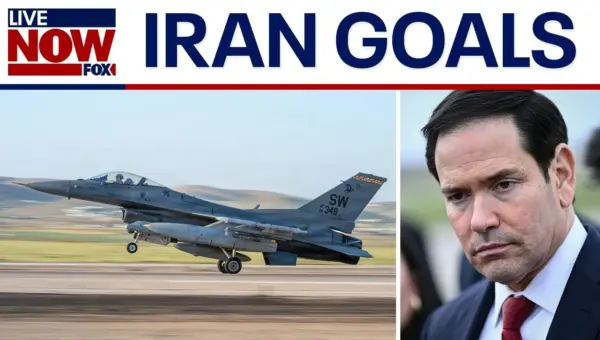
Rubio: US Can Achieve Iran War Goals Without Troops
Senator Marco Rubio outlined a strategy to counter Iran without deploying U.S. ground troops, focusing on weakening the regime and enhancing maritime security. He also criticized Cuba's economic system and expressed concerns about West Bank violence.


Israel Escalates Iran Strikes, Warns of Wider War
Israel has launched significant strikes inside Iran following continued missile fire, warning of further escalation. The conflict risks wider regional instability and economic disruption, especially concerning the Strait of Hormuz.