US Strikes Iran Hard: Is the War Shifting?
The US has significantly increased its military strikes against Iran, hitting over 12,300 targets. This action appears to be reducing Iran's attacks, but Tehran vows to continue supporting its regional allies. Meanwhile, President Trump's questioning of NATO adds another layer of global uncertainty.

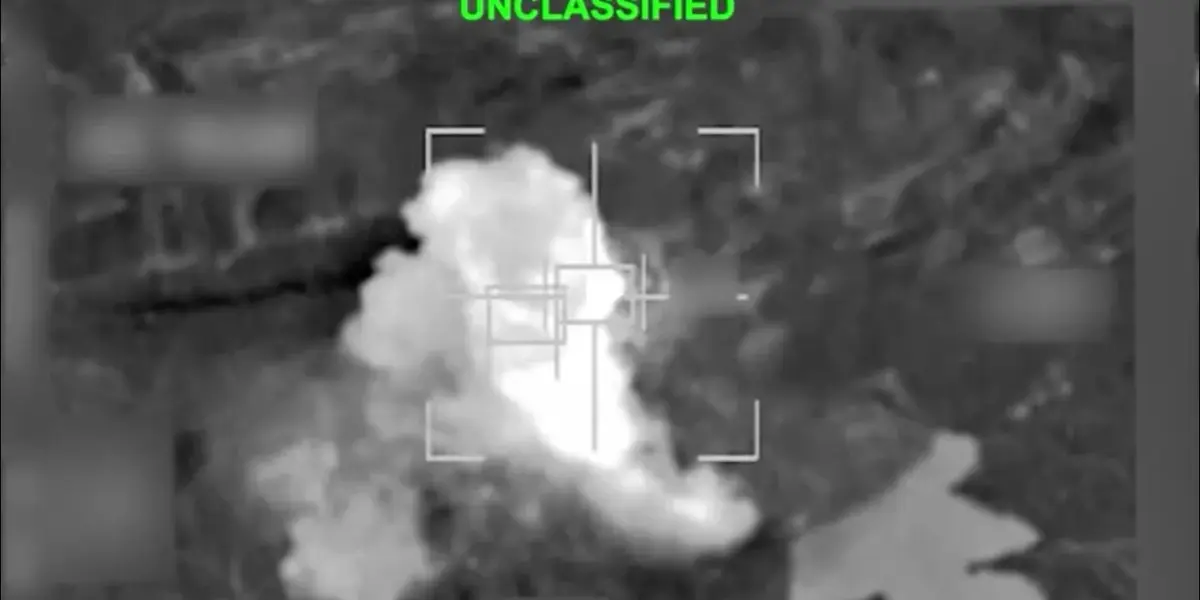
US Strikes Iran Hard: Is the War Shifting?
The United States has significantly ramped up its military actions against Iran, striking over 12,300 targets as part of what it calls Operation Epic Fury. This increase in US activity comes as attacks originating from Iran appear to be slowing down. The numbers released show a major US effort to weaken Iran’s military power.
US forces have conducted more than 13,000 combat flights and have damaged or destroyed over 150 Iranian vessels. The goal of these strikes is to hit Iran’s military capabilities directly. The hope is that by weakening Iran’s ability to wage war, its attacks on others will decrease.
The strategy seems to be having an effect. According to the Institute for the Study of War, Iran has launched very few missiles at Israel recently. In the last two days, Iran only sent three missile barges towards Israel. This is the lowest number of attacks seen so far in the conflict.
Israel Steps Up Its Own Attacks
Meanwhile, Israel is also increasing its attacks on Iran. The Israeli Defense Forces (IDF) have reported carrying out over 800 air strikes. These strikes have reportedly killed around 2,000 Iranian soldiers. Israel launched its latest wave of attacks on Wednesday morning.
During these recent strikes, Israel says it eliminated two important Iranian military figures. One was a top commander for Hezbollah, with over 40 years of military experience. The other was the head of Iran’s engineering branch for its Lebanon Corps. These actions show a focused effort to remove key leaders and disrupt Iran’s military operations.
Iran’s Leadership Vows to Continue Support
Despite these significant blows, Iran’s new supreme leader, Machaba Kame, has stated that the country will continue to support its allied groups in the Middle East. These groups are often referred to as terrorist proxies. Kame sent a letter to the leader of Hezbollah, promising that Iran will not stop supporting groups fighting against the US and Israel.
This shows a determined stance from Iran’s leadership. Even with increased pressure and losses, they plan to keep backing their allies. This creates a complex situation, as US and Israeli actions aim to reduce Iran’s influence, while Iran’s leadership remains committed to its regional strategy.
Broader Geopolitical Tensions: NATO Under Scrutiny
Adding to the international tension, US President Trump is reportedly considering pulling the US out of NATO. He has described the alliance as a “paper tiger,” suggesting it is weak and ineffective. This statement comes at a time when global security alliances are being tested.
British Prime Minister Kier Starmer responded to these remarks. He strongly defended NATO, calling it the most effective military alliance in history. Starmer emphasized that NATO has kept countries safe for many decades. He also stated that the UK is fully committed to the alliance.
Starmer also believes that stronger ties with Europe are important for the UK. He thinks this could even improve the UK’s relationship with the US. He pointed out that past US presidents have urged European nations to increase their defense spending. Starmer has also been advocating for Europe to do more for its own security.
He further suggested that cooperation with Europe should extend beyond defense. Starmer believes collaboration should also focus on economic and other shared goals. This highlights a view that international partnerships need to be broad and include more than just military strength.
Why This Matters
The increased US military strikes in Iran and the reported decline in Iranian attacks signal a potential shift in the conflict. The US aims to degrade Iran’s military capacity, and the numbers suggest this strategy might be working. However, Iran’s leadership remains defiant, vowing to continue support for its proxies. This suggests that while the battlefield might be changing, the underlying conflict and regional instability could persist.
The situation also raises questions about the future of international alliances like NATO. President Trump’s comments about leaving the alliance could have far-reaching consequences. A weakened NATO might lead to greater instability, especially in Eastern Europe. The push for stronger European defense and broader cooperation, as suggested by Kier Starmer, could be a response to these uncertainties.
Implications and Future Outlook
The ongoing conflict in the Middle East, fueled by Iran’s support for proxy groups, continues to be a major source of tension. The US and its allies are trying to counter this influence through military action and sanctions. If Iran’s offensive capabilities are indeed diminished, it could lead to a de-escalation of direct attacks.
However, Iran’s commitment to supporting its proxies means that conflicts involving groups like Hezbollah could continue. This could lead to ongoing regional proxy wars rather than a direct confrontation. The effectiveness of US strikes in permanently crippling Iran’s ability to wage war remains to be seen.
The debate around NATO’s future is also critical. If the US were to withdraw or significantly reduce its commitment, it could embolden adversaries and weaken the collective security of its members. The call for Europe to take on more responsibility for its own defense is likely to grow louder. This could lead to a more fragmented global security landscape or, conversely, a more self-reliant and integrated Europe.
Historical Context
Tensions between the US and Iran have a long history, dating back to the 1953 coup that overthrew Iran’s Prime Minister. The 1979 Iranian Revolution further solidified this adversarial relationship. For decades, the two nations have been locked in a struggle for influence in the Middle East, often playing out through proxy conflicts and covert operations.
The formation of NATO in 1949 was a response to the Cold War threat posed by the Soviet Union. It has since evolved into a collective defense alliance for North American and European countries. However, in recent years, there have been discussions about NATO’s relevance and burden-sharing, particularly after the end of the Cold War and with the rise of new global challenges.
President Trump’s skepticism towards NATO is not entirely new. He has often criticized member states for not spending enough on defense and has questioned the value of mutual defense commitments. This perspective challenges the post-World War II security architecture that has largely defined international relations.
The current situation combines these long-standing geopolitical rivalries with evolving security threats. The effectiveness of military strikes, the resilience of Iran’s network of allies, and the strength of international alliances will all play a crucial role in shaping the future of regional and global security.
Source: US Has Struck 12,000 Targets in Iran War (YouTube)

Related Articles
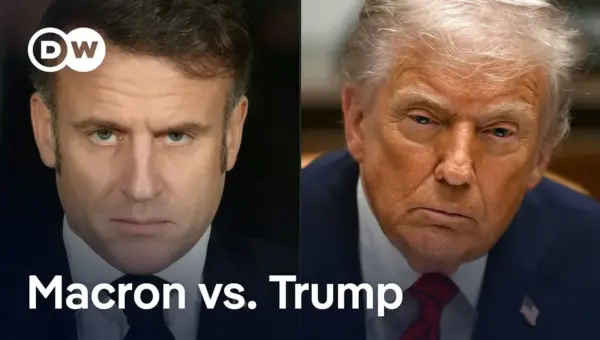
Macron Rejects Trump’s War Talk, Defends Diplomacy
French President Emmanuel Macron has sharply criticized Donald Trump's stance on Iran and NATO, advocating for diplomacy over military action in the Strait of Hormuz. Macron warned that a forceful approach would be unrealistic and could escalate regional conflict. The comments highlight a growing divergence in worldviews and France's continued push for European strategic autonomy.

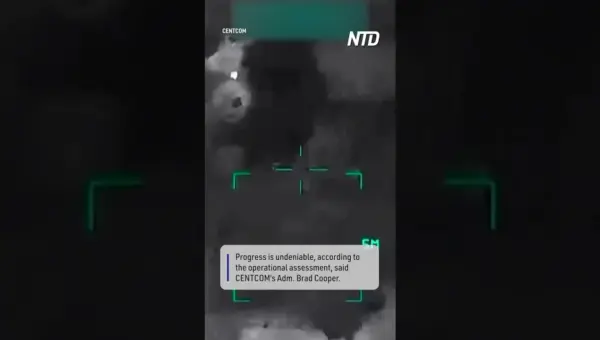
US Strikes Iran: Escalation Fuels 5th Week of Conflict
The U.S. Central Command released video footage of airstrikes targeting Iran, marking the fifth week of conflict. This action underscores the ongoing military engagement and highlights the complex, long-standing tensions between the two nations. The release of combat footage serves strategic communication purposes in modern warfare.
US Urges Allies to Secure Oil Routes, Rethinks NATO Role
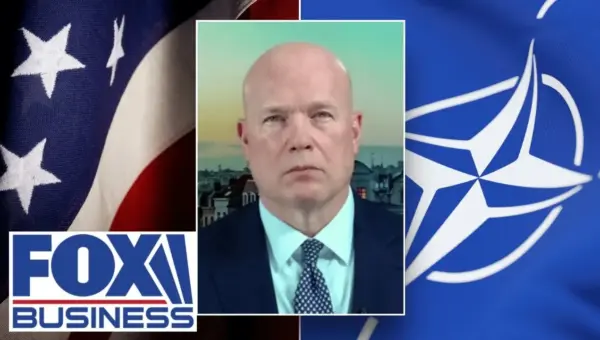
The U.S. is shifting responsibility for securing the Strait of Hormuz oil passage to allied nations heavily reliant on the trade. Ambassador to NATO Matthew Whitaker emphasized that while the U.S. has achieved energy independence, allies must now step up. The future of the NATO alliance is also under review, with the U.S. seeking a more balanced partnership.