US Strikes Iran, Eyes $50B War Fund
The U.S. has struck Iranian missile sites near the Strait of Hormuz, prompting a $50 billion supplemental funding request for defense. Discussions also focus on boosting domestic energy production to stabilize global oil prices and ease permitting processes.

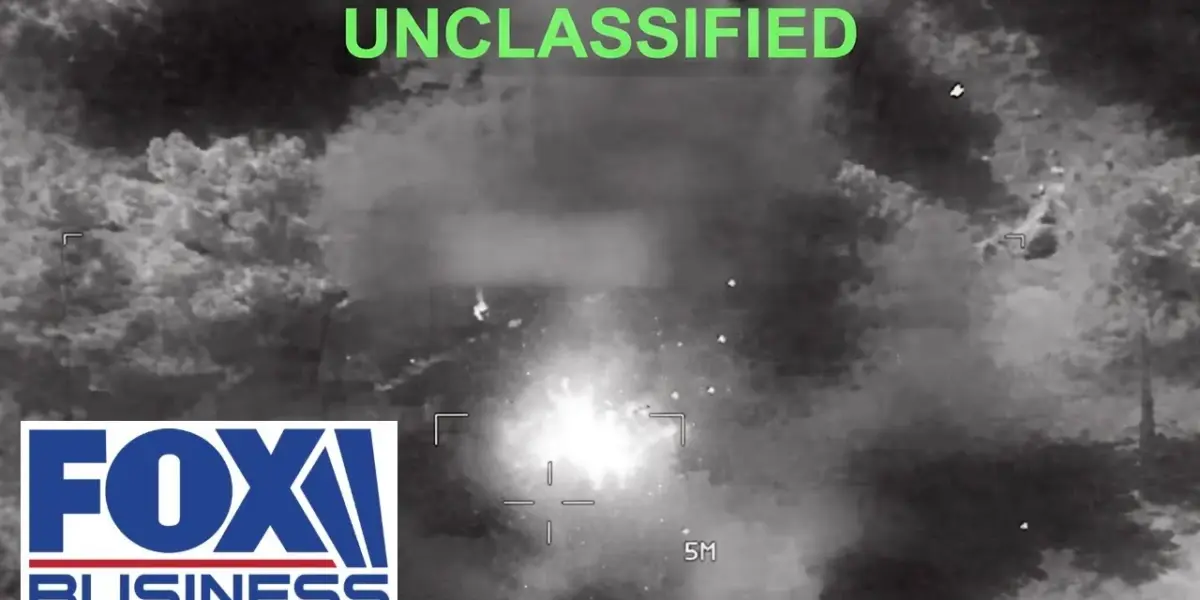
US Strikes Iran, Eyes $50B War Fund
The United States has launched a series of targeted strikes against Iranian missile sites near the critical Strait of Hormuz. This action comes as the Defense Department prepares a supplemental funding request of up to $50 billion to bolster production and support ongoing military operations. The strikes aim to degrade Iran’s ability to produce and deliver weapons, a key objective in the current geopolitical climate.
Senator Bill Cassidy commented on the situation, stating that destroying missile sites is a direct step towards preventing Iran from acquiring nuclear weapons. These missiles, he noted, are often aimed at ships passing through the Strait of Hormuz, a vital waterway for global oil transport. The senator believes that while destroying these sites helps achieve the overall goal, the issue of enriched uranium remains a separate, significant concern.
$50 Billion War Chest Proposed
The proposed $50 billion supplemental package is designed to increase the production capacity of defense systems and support troops. Senator Cassidy indicated that the Senate is likely to support President Trump on this measure, framing it as essential support for American forces. “We’ve got to support our troops,” he stated, suggesting this funding will be seen as such.
The supplemental funding request is expected to face scrutiny, as is standard practice for large budget allocations. Lawmakers will examine the details to ensure the funds are appropriately allocated and necessary for national security objectives. The scale of the request underscores the seriousness of the current international situation and the potential for prolonged military engagement.
Easing Energy Prices Through Domestic Production
Beyond military actions, discussions are turning towards domestic energy policy to help manage global oil and gas prices. Senator Cassidy, who serves on the Senate Committee on Energy and Natural Resources, emphasized the need to streamline permitting processes within the United States. He believes that faster permitting for energy projects can boost domestic production, which in turn can help stabilize worldwide gasoline and oil prices.
The senator also pointed to the potential of increasing oil imports from Venezuela, noting that U.S. refineries are equipped to handle that type of crude. “Bump up our production,” he urged, highlighting the dual approach of increasing domestic output and potentially utilizing foreign resources more effectively. This strategy aims to reduce reliance on volatile international markets and create jobs through energy sector expansion.
The conversation also touched upon codifying President Trump’s executive orders related to energy production and permitting. Senator Cassidy expressed optimism that bipartisan support could be found for these measures, especially given their potential to create jobs and expand America’s natural resource capabilities. “If we get that done, we can begin to unleash America’s natural resources,” he said.
Legislative Hurdles and Election Integrity
Despite the focus on foreign policy and energy, domestic legislative challenges persist. The “Save America Act” faces significant procedural hurdles, with Senator John Thune expressing pessimism about Democratic support. The act requires 60 votes to pass the Senate, a threshold that appears difficult to reach.
The discussion then shifted to election integrity, with Senator Cassidy advocating for voter identification laws. He cited widespread public support, including among Democratic voters, for requiring identification when voting. “You show ID when you buy a gun. That is a constitutional right. Why shouldn’t you have to show ID when you vote?” he questioned, drawing parallels to other instances where identification is mandatory.
The use of the filibuster was also debated, with Senator Cassidy expressing his long-standing support for a “talking filibuster” to put colleagues on record regarding their stances on legislation. He acknowledged uncertainty about whether his colleagues would agree to such a measure or support key legislation like the election integrity act.
Homeland Security and Confirmations
The ongoing challenges in securing bipartisan agreement were highlighted by the difficulty in reopening the Department of Homeland Security. The White House has proposed changes to address a potential shutdown, including expanding ICE body camera use and increasing oversight at detention facilities.
In related news, the Senate is expected to hold a confirmation hearing for Markwayne Mullin, President Trump’s nominee to lead the Department of Homeland Security. Senator Cassidy expressed confidence in Mullin’s confirmation, noting his potential to address threats, including Iranian cyberattacks. “Markwayne will get through, he will do a good job,” the senator predicted.
Boots on the Ground Debate
The possibility of deploying U.S. troops on the ground in Iran was also addressed. House Foreign Affairs Committee Chairman Mike McCaul suggested that boots on the ground could be a “game-changer” but would require congressional approval. Conversely, Democratic Senator Chris Van Hollen stated that U.S. boots on the ground in Iran would be a “red line.”
Senator Cassidy aligned with President Trump’s stated position against prolonged wars. He expressed concern that deploying troops could be perceived by the American public as the start of another lengthy conflict, similar to those in Iraq and Afghanistan. He emphasized that the President would need to make a strong case to the American people if he were to consider such a move, particularly regarding the objective of preventing uranium enrichment, which could require substantial troop deployment and risk significant casualties.
Source: 'PRECISION STRIKE': US BOMBS Iranian missile sites near Strait of Hormuz (YouTube)

Related Articles
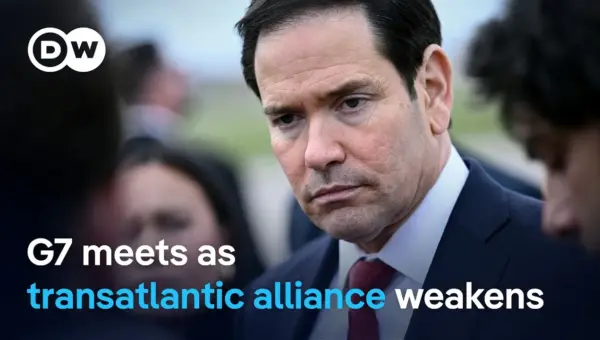
G7 Allies Clash Over Iran War Strategy, Urge Focus on Russia
G7 foreign ministers met in Paris, revealing deep divisions over the U.S. war with Iran. European allies urged the U.S. to pressure Russia, linking its actions to the conflict and fearing support for Ukraine will wane.


US Must Block China’s Tech Access for Security
US national security experts are raising alarms about China's access to advanced AI chips, arguing it threatens strategic advantages. This, coupled with charges against Chinese entities for fentanyl precursor sales and a ban on foreign routers, signals a growing effort to prioritize security over business ties.

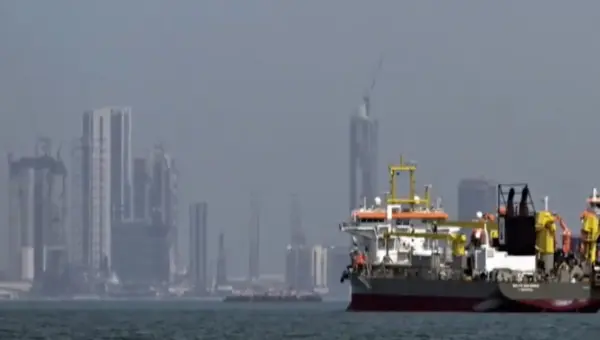
Iran Blocks China Ships, Exposing Beijing’s Weak Grip
Iran's recent decision to block Chinese ships at the Strait of Hormuz is exposing the limits of Beijing's influence in the Middle East. This action is causing delays and cancellations for Chinese manufacturers, turning a perceived geopolitical win into an economic strain.