US Strikes Iran: Escalation Fuels 5th Week of Conflict
The U.S. Central Command released video footage of airstrikes targeting Iran, marking the fifth week of conflict. This action underscores the ongoing military engagement and highlights the complex, long-standing tensions between the two nations. The release of combat footage serves strategic communication purposes in modern warfare.

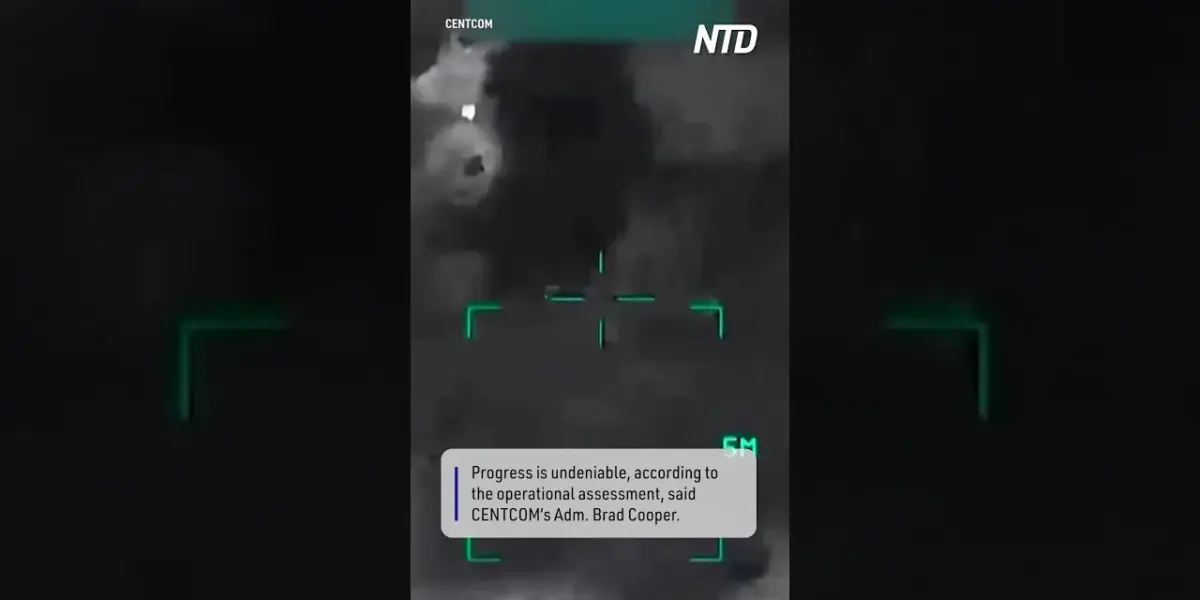
US Strikes Iran: Escalation Fuels 5th Week of Conflict
The United States Central Command recently released a video showing airstrikes hitting various targets inside Iran. This action comes as the conflict between the two nations enters its fifth week. The video offers a glimpse into the ongoing military operations, highlighting the intensity of the current situation. It shows military aircraft launching missiles, followed by explosions at ground targets. This visual release serves as a clear signal of the U.S. commitment to its objectives in the region.
The airstrikes are part of a larger military campaign that has been underway for several weeks. While the specific targets and the full extent of the damage remain unclear, the release of the video suggests a significant engagement. It underscores the seriousness of the military posture adopted by the U.S. in its dealings with Iran. Such actions often aim to degrade enemy capabilities or deter further aggression.
Background to the Conflict
The current hostilities did not emerge overnight. Tensions between the United States and Iran have been high for decades, marked by diplomatic disputes, economic sanctions, and proxy conflicts. This latest escalation follows a period of rising tensions, though the precise triggers for the current five-week conflict are not detailed in the released video itself. Understanding this long-standing animosity is key to grasping the current events. Past incidents, like the seizure of oil tankers or attacks on U.S. interests in the region, have often led to retaliatory measures.
Historically, the United States has maintained a strong military presence in the Middle East. This presence is often justified as a means to protect allies, ensure the free flow of oil, and counter threats from state and non-state actors. Iran, in turn, views this presence as a provocation and a threat to its security. This dynamic has created a volatile environment where even small incidents can rapidly escalate into larger confrontations.
The Role of Video in Modern Warfare
The release of combat footage is not new, but its use has become increasingly sophisticated. In today’s digital age, videos of military actions serve multiple purposes. They can be used as intelligence gathering tools, documenting the effectiveness of strikes. They also serve as powerful propaganda, intended to shape public opinion both domestically and internationally. For the U.S. military, such videos can project strength and resolve.
For viewers, these videos offer a direct, albeit curated, look at military operations. They can be stark reminders of the realities of modern warfare. The visual evidence provided by the U.S. Central Command aims to corroborate their narrative of the conflict, showing specific actions being taken. This transparency, or at least the appearance of it, is often part of broader communication strategies during times of conflict.
Potential Implications and Future Outlook
The ongoing airstrikes and the release of their footage signal a continued commitment to the current military strategy. The fifth week of conflict suggests that a swift resolution is not imminent. The implications of such sustained military engagement are significant. They can include further economic disruption, increased regional instability, and the potential for a wider conflict involving other regional powers.
The future outlook remains uncertain. Depending on the strategic goals of both sides and the reactions of international actors, the conflict could either de-escalate or intensify. The effectiveness of the airstrikes in achieving their objectives will play a crucial role in shaping subsequent actions. Diplomatic efforts, if any are underway, will also be critical in determining the long-term outcome.
Why This Matters
This event matters because it represents a significant point in the ongoing tensions between two major global players. The use of military force, documented and shared visually, highlights the serious nature of the confrontation. It affects not only the direct participants but also the stability of a critical global region. Understanding these developments helps us grasp the complexities of international relations and the impact of military actions on global security and economic stability.
The ongoing conflict also raises questions about the role of media in warfare. Videos of airstrikes can influence public perception and political decision-making. As this conflict continues into its fifth week, monitoring these developments and their broader implications is essential for anyone seeking to understand the current geopolitical climate. The actions taken now could have lasting effects on international relations for years to come.
Source: US Central Command Releases Video of Airstrikes as War Against Iran Enters 5th Week (YouTube)

Related Articles

US Urges Allies to Secure Oil Routes, Rethinks NATO Role
The U.S. is shifting responsibility for securing the Strait of Hormuz oil passage to allied nations heavily reliant on the trade. Ambassador to NATO Matthew Whitaker emphasized that while the U.S. has achieved energy independence, allies must now step up. The future of the NATO alliance is also under review, with the U.S. seeking a more balanced partnership.

US Escalates Middle East Conflict Toward Total War
The U.S. is increasingly targeting civilian infrastructure in Iran, a move that signals a dangerous shift towards 'total war.' This approach blurs the lines between military and civilian targets, echoing historical conflicts with devastating consequences. The long-term implications for regional stability and ethical warfare are significant.

US Strikes Dismantle Iran’s Military; Allies Rally Support
The U.S. has launched over 12,000 precision strikes against Iran, dismantling its military infrastructure. While Iran bets on U.S. wavering, regional allies are rallying. These actions aim to re-establish American credibility and deter future adversaries.