US Strikes Iran, Escalating Tensions Over Vital Shipping Lane
The US has bombed an Iranian facility storing anti-ship missiles, escalating tensions in the Strait of Hormuz. President Trump is calling for international help to secure the vital shipping lane, while also considering winding down US operations.


US Strikes Iran, Escalating Tensions Over Vital Shipping Lane
The United States has announced it bombed an Iranian facility used to store advanced weapons. This action comes amid rising tensions in the Strait of Hormuz, a critical waterway for global trade. US Central Command stated the facility held anti-ship cruise missiles and mobile launchers, posing a serious threat to international shipping. The strike also targeted intelligence sites and radar systems used to track ship movements. This move significantly raises the stakes in an already volatile region.
This development highlights the ongoing conflict and the strategic importance of the Strait of Hormuz. The US military’s action aims to neutralize a direct threat to maritime traffic. However, such strikes often lead to retaliatory actions and wider regional instability. The Iranian regime’s use of an underground facility suggests an effort to conceal its military buildup, making the US strike a preemptive measure.
International Pressure Mounts
President Trump has voiced frustration with NATO allies and other major economies like China. He believes these nations are not doing enough to help secure the Strait of Hormuz. Many countries, including China and Japan, depend heavily on this route for their energy supplies. In contrast, the US relies less on imported oil, producing much of its energy domestically and sourcing it from nearby neighbors.
Trump’s comments suggest a desire for a more unified international front in protecting this vital shipping lane. The lack of broad international military support for securing the strait puts more pressure on the US. This situation underscores the complex geopolitical dynamics at play, where economic interests and security concerns often clash.
US Nearing Objectives, Considering Withdrawal
Despite the escalation, President Trump indicated that the US is close to achieving its goals in its Iran operation. He is reportedly considering winding down the US military presence. This statement presents a mixed message, suggesting both a desire for de-escalation and continued military action. It implies that the US might feel its objectives have been met, or that the cost of further engagement is too high.
The potential withdrawal could signal a shift in US foreign policy, moving away from direct military intervention. However, the situation remains fluid. The impact of the recent strike on Iran’s willingness to disrupt shipping is yet to be seen. Future actions will likely depend on Iran’s response and the broader geopolitical climate.
Why This Matters
The Strait of Hormuz is a narrow passage between the Persian Gulf and the Gulf of Oman. Roughly 30% of the world’s oil traded by sea passes through it daily. Any disruption here, whether through conflict or blockade, can cause massive spikes in global oil prices. This affects economies worldwide, from transportation costs to the price of everyday goods.
The US strike is a significant event because it directly targets Iran’s military capabilities in a sensitive area. It demonstrates the US commitment to keeping the strait open for international shipping. However, it also risks provoking Iran into retaliating, potentially by attacking ships or disrupting oil flow. This could draw the US and its allies into a wider conflict.
Historical Context
Tensions between the US and Iran have been high for decades, particularly since the 1979 Islamic Revolution. The Strait of Hormuz has often been a flashpoint. In the past, Iran has threatened to close the strait, and there have been incidents involving attacks on oil tankers. The US has historically maintained a naval presence in the region to ensure freedom of navigation.
The current situation is also influenced by recent US policy changes regarding Iran’s nuclear program and its regional influence. The US withdrawal from the Iran nuclear deal in 2018 and subsequent sanctions have further strained relations. This has led to a more assertive stance from both sides, increasing the risk of miscalculation.
Trends and Future Outlook
The reliance on oil and the strategic importance of maritime chokepoints like the Strait of Hormuz mean that such tensions will likely continue. As global energy demand grows, securing these routes becomes even more critical. Nations are increasingly looking for ways to diversify their energy sources and supply chains to reduce vulnerability.
The US’s role in the region is also under scrutiny. While it aims to ensure stability, its actions can sometimes be perceived as escalatory. The call for international cooperation in securing the strait highlights a potential shift towards burden-sharing. However, differing national interests make a unified approach challenging. The future may see more localized conflicts and diplomatic standoffs rather than large-scale wars.
“The Iranian regime used the hardened underground facility to discreetly store anti-ship cruise missiles, mobile missile launchers, and other equipment that presented a dangerous risk to international shipping.”
– US Central Command
The US military’s decision to strike the Iranian facility is a bold move. It signals a willingness to use force to protect its interests and those of international commerce. The coming weeks will be crucial in determining whether this action leads to a de-escalation or further conflict. The global community will be watching closely, hoping for a peaceful resolution that keeps vital shipping lanes open.
Source: US Says It Bombed Iranian Facility Storing Anti Ship Cruise Missiles (YouTube)

Related Articles

Stocks Ignore War Risks, Focus on “Taco Moments”
Stock markets appear to be overlooking the severe supply chain risks stemming from the Iran conflict, focusing instead on potential diplomatic de-escalations. While the S&P 500 shows resilience, bond and commodity markets signal deep concern over disruptions to critical resources like LNG, helium, and fertilizers.

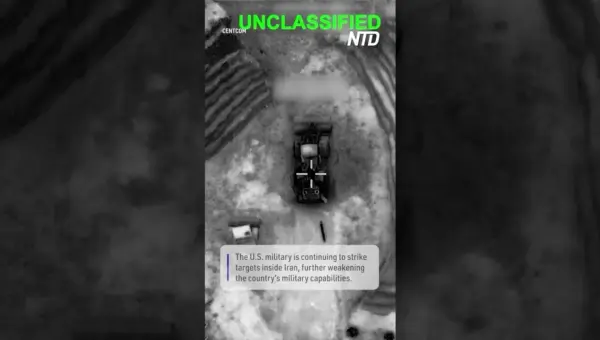
US Strikes Cripple Iran’s Military Might, CENTCOM Reports
U.S. Central Command reports ongoing strikes inside Iran are significantly weakening its military power. This direct action aims to reshape regional security dynamics, but carries risks of escalation. The long-term impact depends on Iran's response and ability to adapt.

U.S. Iran Tensions Rise Amid Shifting Alliances
Rising tensions between the U.S. and Iran are creating a volatile geopolitical situation. With conflicting signals on de-escalation and potential shifts in alliances like NATO and U.S.-Israel relations, the path forward remains uncertain. The global economy and regional stability hang in the balance.