US Strikes Iran, Escalating Tensions; Global Impact Feared
The United States has launched direct military strikes against Iran, escalating tensions and prompting vows of retaliation from Tehran. Reports of explosions in other Middle Eastern nations suggest a widening conflict, with significant potential implications for the global economy, including oil prices and market stability.

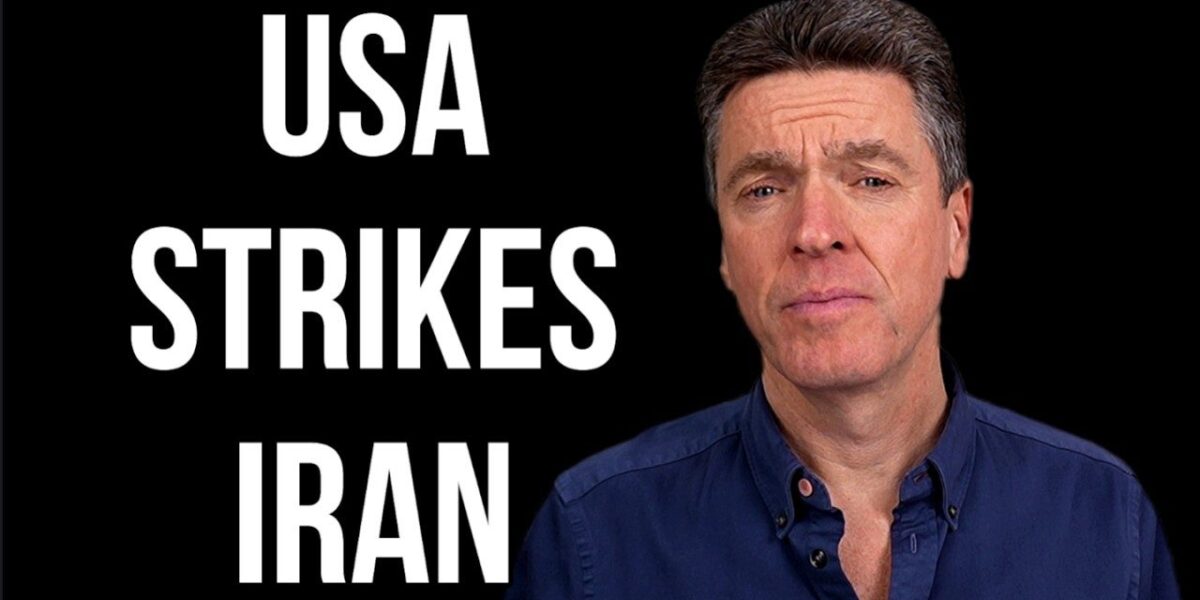
In a significant escalation of geopolitical tensions, the United States has launched direct military strikes against multiple cities in Iran. The action, confirmed by former President Donald Trump, marks a decisive shift from rhetoric to direct combat, with Iran vowing “crushing retaliation.” Reports of explosions have also emerged from countries hosting U.S. military bases, including Kuwait, the United Arab Emirates, and Qatar, indicating a potential widening of the conflict beyond Iran’s borders.
US Confirms Major Combat Operations in Iran
Former President Donald Trump, speaking via Truth Social, confirmed the commencement of “major combat operations in Iran.” He stated the objective is to “defend the American people by eliminating eminent threats from the Iranian regime,” which he characterized as a “vicious group of very hard, terrible people.” Trump asserted that Iran’s “menacing activities directly endanger the United States, our troops, our bases overseas and our allies throughout the world.” He further elaborated on the justification for the strikes, framing Iran as the world’s “number one state sponsor of terror” and a regime that has “killed tens of thousands of its own citizens on the street as they protested.” A core tenet of the U.S. policy, particularly under his administration, has been to prevent Iran from acquiring nuclear weapons, a threat Trump reiterated, stating, “They can never have a nuclear weapon.”
Diplomacy Exhausted, Military Action Ensues
The transcript suggests that diplomatic avenues have been explored and ultimately failed. Trump indicated that Iran has consistently refused to renounce its nuclear ambitions and has instead attempted to rebuild its nuclear program and develop long-range missiles. “We can’t take it anymore,” he stated, implying that diplomatic discussions had reached an impasse. Historically, when negotiations are exhausted, military action often becomes the default option, raising the stakes considerably.
“So what we’ve just heard there is that the USA did attempt diplomacy. There were a number of meetings held between the US and Iran, but ultimately those discussions failed and historically this is the point where conflicts escalate because once negotiations are exhausted, military action becomes the default option.”
Call for Regime Change and Broader Implications
Beyond military strikes aimed at nuclear facilities, the rhetoric from the U.S. appears to have broadened to include a direct warning to Iran’s leadership and a call for regime change. Trump addressed the Iranian people directly, urging them to “lay down your weapons and have complete immunity, or in the alternative, face certain death.” He declared, “the hour of your freedom is at hand,” and instructed citizens to stay sheltered, as “Bombs will be dropping everywhere.” He encouraged the Iranian people to seize control of their government once the U.S. operation is complete, framing it as a generational opportunity. “No president was willing to do what I am willing to do tonight. Now you have a president who is giving you what you want,” Trump asserted, promising “overwhelming strength and devastating force.”
This shift towards regime change is seen as a significant complication, as such objectives tend to prolong conflicts and increase their complexity. The U.S. military is described as undertaking a “massive and ongoing operation to prevent this very wicked, radical dictatorship from threatening America and our core national security interests.” Specific objectives mentioned include the destruction of Iran’s missiles and naval capabilities, and the neutralization of its regional terrorist proxies.
Potential Outcomes and Global Economic Fears
The current situation presents three potential outcomes:
- Containment: The conflict remains limited to Iran, with tensions rising but not spreading geographically.
- Broader Regional Conflict: The conflict expands to involve other Middle Eastern countries, a scenario appearing more likely given reports of explosions in multiple nations.
- Full Escalation: A prolonged conflict involving multiple countries with significant global consequences.
The implications for the global economy are substantial. Analysts anticipate a sharp rise in oil prices due to Iran’s position as a major producer and the Middle East’s critical role in energy supply. Disruptions to key shipping routes like the Strait of Hormuz could exacerbate this effect. Financial markets are expected to react negatively to the heightened uncertainty, with potential declines in equity markets and a shift towards safer assets like gold. The resulting increase in energy costs could fuel inflation, potentially pressuring central banks to reconsider interest rate policies. Global trade could also be affected through disruptions to shipping routes, increased insurance costs, and compromised supply chains.
“So what does all of this mean for the global economy? Well, the first and most obvious impact is going to be on oil prices. Iran is a major producer of oil and the Middle East is central to global energy supply. So any disruption or even the threat of disruption will push oil prices higher.”
What to Watch Next
The coming days and weeks will be critical in determining the trajectory of this escalating conflict. Key developments to monitor include Iran’s response to the U.S. strikes, the extent to which the conflict spreads geographically, and the reaction of other global powers. The potential involvement of Israel and other Middle Eastern nations could significantly broaden the scope of the conflict. The global economic ramifications, particularly concerning oil prices, inflation, and financial market stability, will also be closely watched as the situation unfolds.
Source: USA Strikes Iran (YouTube)

Related Articles

Iran’s Escalation: Trump Faces Deadly Fallout
Iran's strategic escalation of attacks on U.S. and Israeli targets, aimed at inflicting maximum damage and raising costs, has led to American casualties and a complex geopolitical challenge for the Trump administration. The rejection of a ceasefire signals a determined effort to force a U.S. withdrawal.
America’s Grim Toll: More Lives Lost in Iran Conflict?
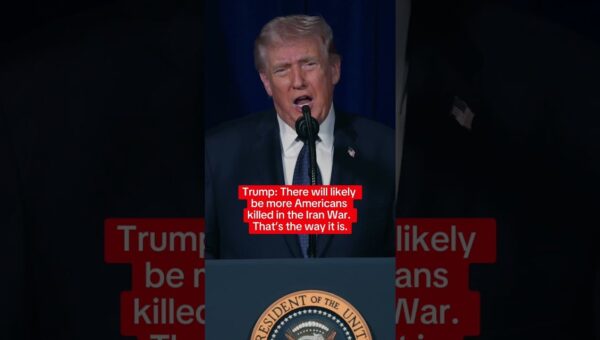
The recent deaths of three U.S. service members in Iran have reignited debate, with Donald Trump predicting more casualties. This analysis explores the historical context, differing perspectives, and the profound implications of such stark pronouncements on national security and public sentiment.
Iran’s Power Vacuum: IRGC Steers Nation Amidst Crisis
Iran faces unprecedented vulnerability following the assassination of Supreme Leader Ayatollah Ali Khamenei. The nation is under attack internally and externally, with the IRGC playing a crucial role in managing the leadership transition and maintaining state control amidst a deepening political and economic crisis.