US Strikes Iran, Escalates Nuclear Fight
U.S. forces have reportedly struck a key Iranian city linked to its nuclear and missile programs, escalating tensions. President Trump's administration is increasing military pressure while also pursuing diplomatic talks, creating a complex geopolitical situation.

US Strikes Iran, Escalates Nuclear Fight
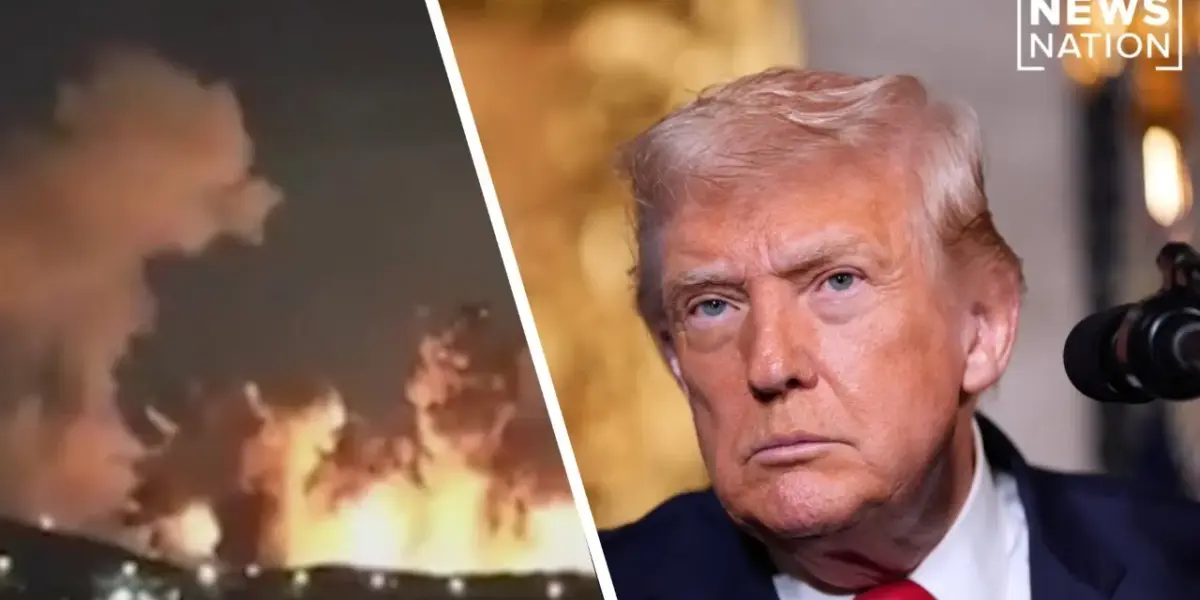
American forces recently struck an Iranian city believed to be important for Iran’s nuclear and missile programs. President Trump shared a video showing explosions in the sky after the U.S. reportedly dropped a powerful bomb on a weapons storage site. This action comes as the President has threatened to destroy Iran’s energy and water systems. He is increasing military actions, even as he says talks with Iran are going well.
Military Goals and Diplomatic Pressure
Retired Navy Rear Admiral Michael Hewitt explained that the military targets are becoming harder to find because they are buried deep and hidden. The main goals are to stop Iran’s nuclear program, navy, air force, and missile program. Admiral Hewitt stated that over the past month, these goals have been met. He also mentioned that troops are in the region for any situation.
Diplomatic talks are happening, but the situation in the Strait of Hormuz remains a separate issue. The troops are there to be ready for anything. Admiral Hewitt expects that the President will have options presented to him from negotiations happening over the next five days.
Shifting Alliances and Negotiation Tactics
Steve Yates, former Deputy National Security Advisor, discussed a report from The Wall Street Journal. The report suggests President Trump has told his close advisors he is willing to end the conflict even if the Strait of Hormuz is not reopened. He has reportedly asked allies in Europe and the Gulf to take the lead in reopening it.
Yates cautioned against taking these reports at face value. He believes the President uses such statements to create options and control the information flow. President Trump has consistently asked allies who are closer to the threat or have more at stake to do more. Yates thinks this applies to freedom of navigation in the waterways. He expects Arab states, who have been attacked and are against the current Iranian government, to play a role in keeping goods flowing through the Strait.
Yates suggested that President Trump may have released this information as part of negotiations. He also commented on the President’s threats to destroy Iran’s civilian infrastructure. Yates expressed hope this would not happen, as it would make rebuilding after a conflict more difficult. He believes the President is trying to show that time is running out and that he still has options. Yates thinks negotiation is the best path forward, but the President wants to make it clear he has alternatives.
International Response and Economic Stakes
President Trump recently posted on Truth Social about countries, like the United Kingdom, that refuse to help in dealing with Iran. He pointed out that these countries face fuel shortages because of the Strait of Hormuz. He suggested they should buy fuel from the U.S. and then go to the Strait and take control of it themselves. He believes they need to learn to defend themselves.
Admiral Hewitt reacted to this, stating that the President is frustrated because the Strait of Hormuz affects European, Chinese, and Asian markets more than the United States. While his frustration about lack of support for the military campaign is clear, he doesn’t need Europe or NATO for that. What he does need is for them to help reopen these international waterways for trade.
This is not directly tied to Iran’s war but to Iran’s aggressive behavior. Admiral Hewitt believes Trump will continue to take necessary actions, potentially holding Iran’s economy hostage. However, he cannot stop Iran from causing chaos in the Strait. Therefore, European help is needed to keep the Strait open. He noted that the two countries most supportive of the U.S. actions are likely those most affected by Iran’s actions.
Global Impact
This situation has major global consequences. The Strait of Hormuz is a critical route for oil shipments. Any disruption there can cause oil prices to spike worldwide, affecting economies far beyond the Middle East. The increased military activity and threats also raise fears of a wider conflict that could destabilize the entire region, impacting global trade and security.
Historical Context
Tensions between the U.S. and Iran have a long history, dating back to the 1979 Iranian Revolution. The U.S. has often sought to limit Iran’s nuclear program and influence in the region. The Strait of Hormuz has been a point of contention before, with past incidents leading to increased naval presence and diplomatic crises. This current situation echoes previous standoffs over freedom of navigation and regional security.
Economic Leverage
The U.S. has used sanctions against Iran to pressure its government. Iran, in turn, has threatened to disrupt oil shipments through the Strait of Hormuz. This creates a dangerous economic tug-of-war. Countries relying on Middle Eastern oil, especially in Asia and Europe, are highly sensitive to these threats. Their economic stability is directly linked to the free flow of goods through this vital waterway.
Future Scenarios
One possible scenario is a diplomatic breakthrough, where Iran agrees to concessions regarding its nuclear program and regional activities, leading to de-escalation. Another scenario involves continued military action and heightened tensions, potentially leading to direct conflict or a prolonged period of instability. A third possibility is that allies step up to ensure the Strait of Hormuz remains open, allowing U.S. military focus to remain on Iran’s nuclear capabilities.
Source: Trump says talks with Iran are going well. Iranian leaders say otherwise | Morning in America (YouTube)

Related Articles
US Troops Show Unwavering Resolve in Fight Against Iran
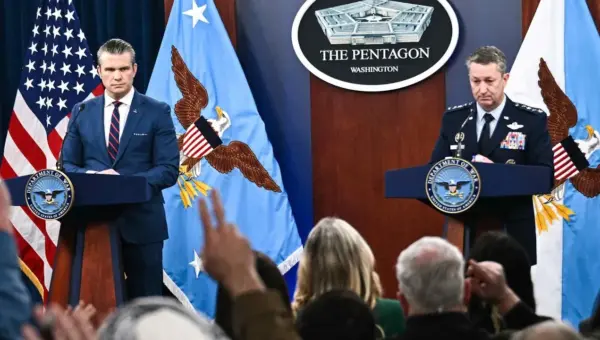
U.S. troops on Operation Epic Fury exhibit remarkable unity, competence, and urgency in their mission against Iran. Facing challenges with innovation and determination, they prioritize finishing the fight for future generations. The operations aim to degrade Iran's military capabilities and prevent nuclear proliferation, signaling a decisive period ahead.

Gulf Allies Urge Trump to Continue Iran Conflict
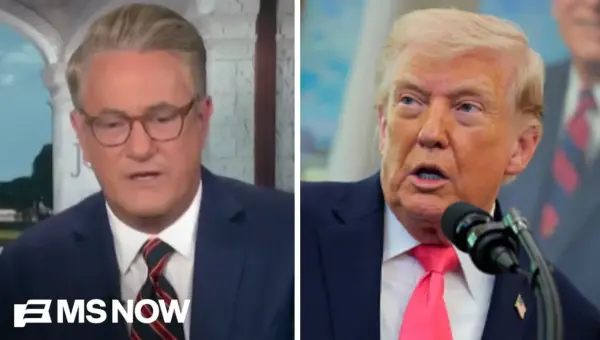
U.S. allies in the Persian Gulf are urging President Trump to intensify military action against Iran, believing Tehran has not been sufficiently weakened. The ongoing conflict raises concerns about regional stability and global energy prices, while questions linger about the administration's long-term strategy.

Jet Fuel Shockwaves: Airlines Warn of Fare Hikes, Flight Cuts
Rising jet fuel prices, driven by conflict in the Strait of Hormuz, are forcing airlines to warn travelers of higher fares and fewer flights. This comes as TSA lines ease, but worker pay remains uncertain, highlighting broader instability.