US Strikes Iran as Tensions Escalate to Breaking Point
US forces are conducting strikes in Iran just hours before a critical deadline set by President Trump. Iran has urged citizens to form human chains around infrastructure, raising concerns about civilian safety. Israel has also targeted Iranian weapon transport routes.

US Strikes Iran as Tensions Escalate to Breaking Point
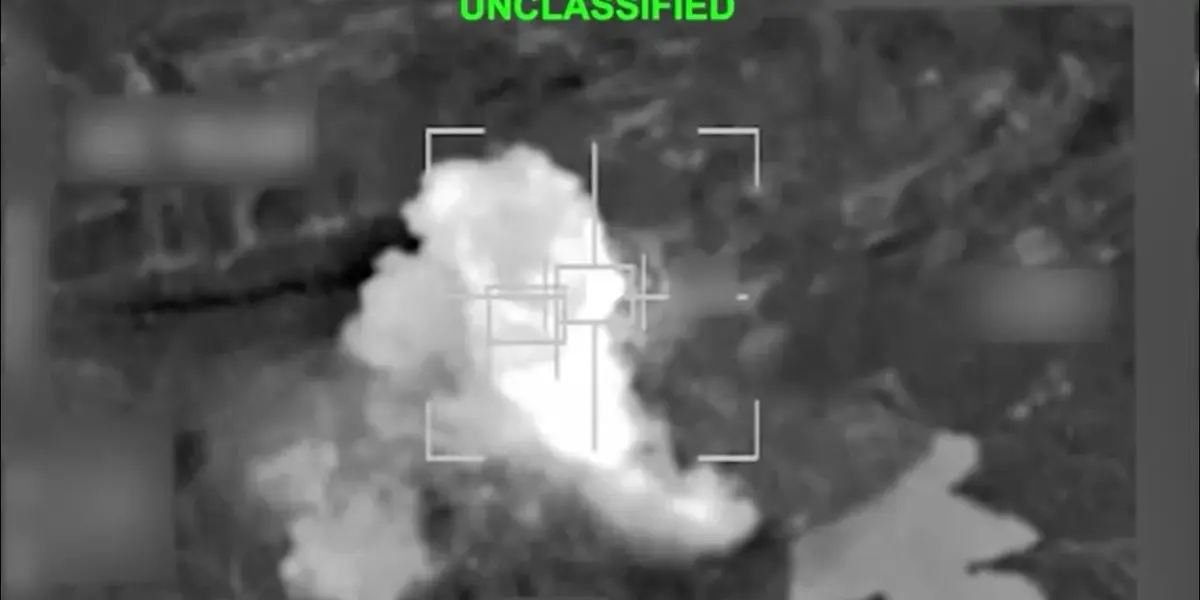
The United States military has launched strikes against targets in Iran, just hours before a deadline set by President Trump for Iran to reach a deal. This action dramatically raises the stakes in an already tense situation. The Iranian regime has called on its citizens to form human chains around important infrastructure like bridges and power plants. This move appears to be an attempt to shield these sites from potential US attacks.
Operation Epic Fury Intensifies
US Central Command, known as Sentcom, released footage showing Navy fighter jets taking off from the USS Abraham Lincoln. These jets were part of Operation Epic Fury, a series of military actions against Iran. Sentcom also announced they had used one-way attack drones against Iran the day before. These drones are now a regular part of US military operations in the region, used for both attacking and defending. Hundreds of these drones are actively involved in the ongoing conflict.
Trump’s Deadline and Iran’s Response
President Trump had set a firm deadline for Iran to agree to open the Strait of Hormuz. The deadline was 8:00 p.m. Eastern time. If Iran did not comply, US forces were prepared to strike every Iranian bridge and power plant. However, hours before this critical deadline, an Iranian official urged residents to gather at these very locations. This tactic suggests Iran is banking on the US hesitating to attack areas where civilians might be present. It’s a strategy that plays on a perceived sense of wartime ethics, hoping the US will avoid actions that could harm women and children.
“What they’re counting on is the idea that we have a level of morality, let’s call it wartime etiquette, whatever term you want to put on it, that we won’t attack anything that could endanger women and children.”
Israel’s Role in the Conflict
Meanwhile, Israeli forces have also taken action. They recently warned Iranians to stay away from trains and railway lines, citing potential danger. Israeli Prime Minister Benjamin Netanyahu later confirmed that Israel had indeed struck train tracks and bridges. These were identified as routes used by Iran’s Islamic Revolutionary Guard Corps to transport weapons. Netanyahu stated that these actions were not meant to harm the Iranian people but to weaken the current regime, which he described as oppressive.
Israel’s Strikes and Stated Intentions
Israel reported conducting eight strikes on bridges within Iran. Prime Minister Netanyahu emphasized the strategic intent behind these attacks. He explained that the goal was to degrade the capabilities of the Iranian regime, not to cause harm to the general population. This distinction highlights a complex approach to the conflict, targeting infrastructure believed to support hostile actions while attempting to minimize civilian casualties.
Iran’s Continued Regional Actions
Despite the pressure from the US and Israel, Iran has continued its own aggressive actions in the region. Saudi Arabia reported that debris from an intercepted missile landed near its energy facilities. This indicates that Iran’s missile capabilities are still a significant concern. In northern Iraq, an Iranian attack drone reportedly hit a civilian house in the Kurdish region. Tragically, this strike resulted in the deaths of two people. In Israel, a car was overturned after an Iranian missile struck near a bomb shelter. Fortunately, an Israeli police officer noted that there were no injuries in that particular incident.
Why This Matters
The escalating military actions between the US, Iran, and Israel signal a dangerous increase in regional instability. The use of drones and strikes on critical infrastructure like bridges and power plants could have devastating consequences. Iran’s tactic of using civilians as shields, if intentional, raises serious ethical questions about modern warfare. Furthermore, the continued Iranian missile launches towards neighboring countries demonstrate a persistent threat to regional security and global energy supplies. The situation is a stark reminder of the potential for miscalculation to lead to wider conflict.
Implications and Future Outlook
This series of events points to a potential widening of the conflict. If President Trump’s deadline passes without a resolution, further US strikes are highly likely. This could lead to direct retaliation from Iran, potentially drawing other regional players into the fray. The involvement of Israel adds another layer of complexity, as its actions are often seen as closely aligned with US interests. The international community watches with concern, as any major escalation could disrupt global oil markets and have far-reaching economic impacts. The future outlook remains uncertain, with diplomatic solutions appearing increasingly fragile.
Historical Context
Tensions between the US and Iran have a long history, dating back to the 1979 Iranian Revolution. The Strait of Hormuz has been a frequent point of contention, as a significant portion of the world’s oil passes through it. Recent years have seen a pattern of escalating actions and reactions, including cyberattacks, sanctions, and proxy conflicts. The current situation represents a significant escalation beyond previous incidents, with direct military strikes occurring closer to a major deadline. Understanding this historical backdrop is crucial to grasping the gravity of the present moment.
Source: US Forces Strike Iran Ahead of Trump's Deadline (YouTube)

Related Articles


Trump’s Iran Deal: Bold Tactics Yield Fragile Peace
A panel discusses President Trump's Iran ceasefire deal, a special election in Georgia, the DOJ's renewed fight against fraud, and Trump's relationship with Hungarian Prime Minister Viktor Orbán. Analysts debate Trump's negotiation tactics, the implications of the Georgia race, and the U.S.'s foreign policy stance.

Trump Halts Iran Attacks, Seeks Peace Deal
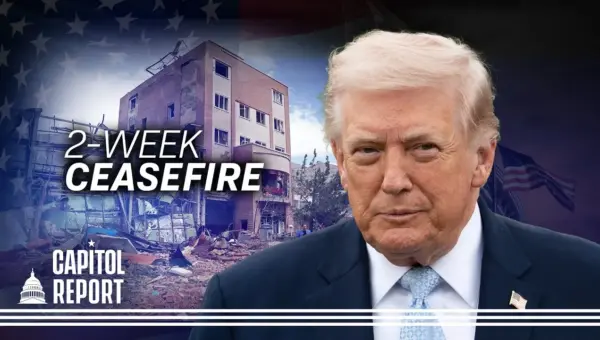
President Trump has agreed to a two-week suspension of attacks on Iran, contingent on Iran reopening the Strait of Hormuz. This move comes as the U.S. reports progress on a peace proposal and highlights the Iranian people's desire for freedom.
US-Iran Ceasefire Holds Amid Tensions, Strait of Hormuz Key
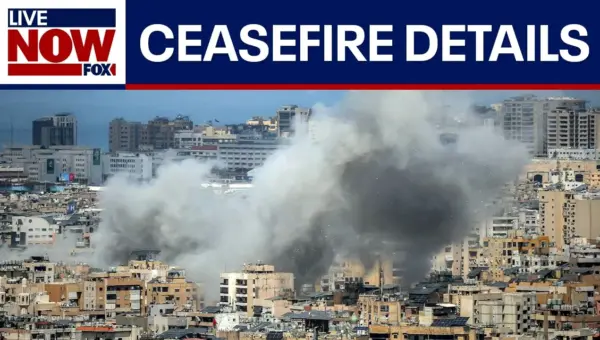
The US and Iran have agreed to a two-week ceasefire, brokered by Pakistan, with the crucial condition that Iran reopens the Strait of Hormuz. This development impacts global oil and gas supplies, as well as food security through fertilizer transport. However, concerns remain about potential Iranian mobilization and compliance, particularly following reports of post-ceasefire missile launches.