US Strikes Iran After Khamenei’s Death; Future Uncertain
The U.S. and Israel have launched major combat operations against Iran following the death of Supreme Leader Ayatollah Ali Khamenei. The strikes, justified by President Trump over alleged nuclear program resumption, lack clear evidence and have drawn international concern. Iran has retaliated, increasing regional instability and raising questions about future U.S. strategy.

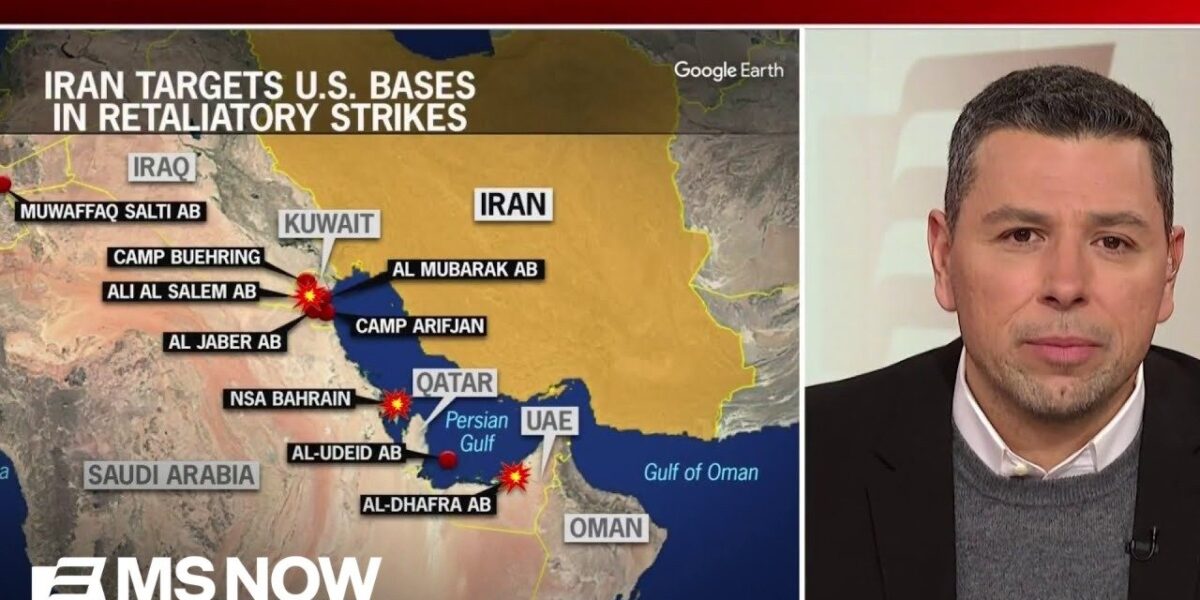
US Launches Major Strikes on Iran Following Supreme Leader’s Death
In a dramatic escalation of geopolitical tensions, the United States, in coordination with Israel, launched significant combat operations against Iran in the hours following the confirmation of Supreme Leader Ayatollah Ali Khamenei’s death. The strikes, confirmed by Iranian state media late Tuesday, mark a pivotal moment in President Donald Trump’s foreign policy and raise profound questions about the future stability of the Middle East. This development comes as the Israeli military continues its own wave of attacks targeting Iran’s ballistic missile and aerial defense systems.
Unclear Justification for Escalation
The timing and rationale behind the U.S. military action remain subjects of intense scrutiny. While President Trump cited Iran’s alleged resumption of its nuclear program and development of long-range missiles as justifications, officials from the U.S., European Union, and The New York Times have indicated a lack of concrete evidence for these claims. Reports suggest Iran had not actively resumed uranium enrichment, and an intelligence assessment indicated a decade-long timeline for developing missiles capable of reaching the U.S. Furthermore, conflicting statements from U.S. officials regarding Iran’s enrichment levels and proximity to nuclear materials have fueled the confusion.
“So there’s no clear answer why the United States did this, nor do we have a clear plan on what comes next,” stated one analyst, reflecting the widespread uncertainty surrounding the U.S. administration’s strategy.
Iran’s Retaliation and Regional Instability
Iran did not delay in retaliating, firing missiles at Israel and U.S. bases across the region, including in the United Arab Emirates, Qatar, Kuwait, Bahrain, and Jordan. These actions significantly increase the risk of a broader conflict engulfing the Middle East. The coordinated strikes by the U.S. and Israel, coupled with Iran’s response, have thrust the region into a new phase of instability.
Succession and Internal Dynamics in Iran
The death of Ayatollah Khamenei, who led Iran since 1989, triggers a critical succession process. Experts suggest that the Iranian leadership has been preparing for such a scenario, with a potential triumvirate of President Ebrahim Raisi, Ali Larijani, and Parliament Speaker Mohammad Bagher Ghalibaf poised to manage the transition. However, the extent of casualties from the U.S. and Israeli strikes, beyond Khamenei himself, remains unclear, potentially complicating the internal power dynamics.
Amir Hanjani, a fellow at the Quincy Institute for Responsible Statecraft, noted the deep unpopularity of Khamenei’s regime among the Iranian populace, citing years of protests. However, he cautioned that the security apparatus, including the Islamic Revolutionary Guard Corps (IRGC) and the Basij, remains loyal and equipped to suppress any public celebrations or unrest. “We’ve seen some celebrations, some protesters coming in southern cities and eastern cities, and they’re quickly dispersed by the security apparatus,” Hanjani observed.
Logistical and Strategic Limitations
Retired Lieutenant General Mark Hertling highlighted the practical limitations on sustained military operations. “There are not only restrictions on bombs for the kinetic strike into Iran. There’s also huge restrictions on the number of air defense systems we have in the region,” Hertling explained. The high cost and limited supply of advanced munitions and air defense missiles, such as Patriot and THAAD systems, could constrain the duration and intensity of any prolonged air campaign.
Diplomatic Efforts Undermined
The military escalation comes as a blow to ongoing diplomatic efforts. David Rode, MSNBC Senior National Security Reporter, detailed how Oman’s foreign minister, who had been mediating talks between the U.S. and Iran, expressed dismay. The minister had been optimistic about potential concessions from Iran, including lower uranium enrichment levels and opportunities for U.S. companies in the oil and gas sector. “Active and serious negotiations have yet again been undermined. Neither the interests of the United States nor the cause of global peace are well served,” the Omani official tweeted following the strikes.
Challenges for Internal Dissent and Regime Change
The prospect of internal mobilization against the Iranian regime faces significant hurdles. Beyond the well-armed security forces, the U.S. and Israel have also employed cyber warfare, disrupting communication networks and making it difficult for dissenters to organize and communicate. The lack of a clear U.S. strategy for fostering post-strike internal change, combined with the absence of a unified opposition leadership within Iran, presents a formidable challenge to any potential regime change efforts.
“The fact that there is no leader that can probably pull this together anytime soon, for the president to say, hey, it’s up to you to stand up, Iranian people, to rise up, to choose a new leader, to choose a new path forward. But when you don’t have the leadership, when you don’t have government agencies in place… It’s going to be very difficult,” commented one expert on the complexities of fostering internal change.
A New, Uncertain Chapter
The coming days and weeks will be critical in determining the trajectory of this escalating crisis. With the death of a long-standing leader, widespread military action, and uncertain diplomatic pathways, the Middle East stands at a precarious crossroads. The effectiveness of Iran’s new leadership, the potential for further retaliation, and the strategic clarity of the U.S. and its allies will be paramount in navigating this volatile period.
Source: “No CLEAR ANSWER” on Trump’s Iran strikes (YouTube)

Related Articles

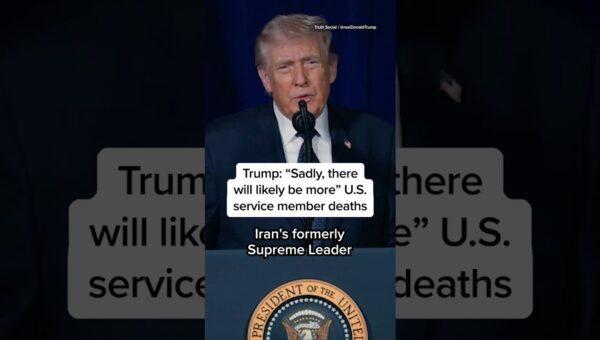
Trump Warns of More US Deaths in Escalating Conflict
Former President Donald Trump issued a somber warning on Truth Social, stating that further U.S. service member deaths are "likely" as geopolitical tensions escalate. He condemned Iran's former supreme leader, Ayatollah Ali Khamenei, and vowed retribution for fallen soldiers.

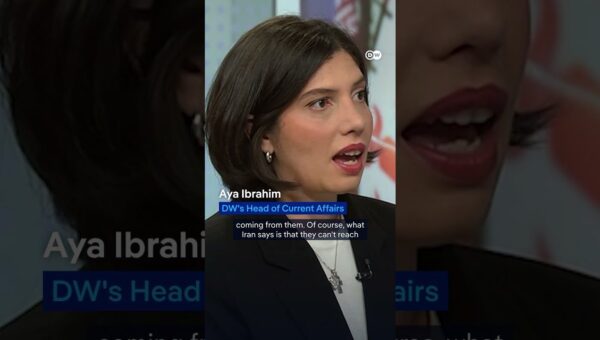
Gulf States Caught in US-Iran Crossfire, Seek Stability
Gulf states are caught in the escalating US-Iran conflict, facing violations of sovereignty and national security threats. Leaders express a strong desire for stability and economic prosperity, contrasting with the unfolding scenes of regional instability.

Geopolitical Turmoil Bolsters Bitcoin Amidst ETF Inflows
Geopolitical tensions and strong Bitcoin ETF inflows are creating a resilient market. Analysts point to exhausted sellers and the potential for capital rotation into crypto, while regulatory clarity on the Clarity Act could unlock significant institutional investment.