US Strikes in Iran: A War of Choice, Not Necessity?
Experts and former officials are questioning the U.S. strikes in Iran, labeling them a "war of choice, not necessity." Concerns are mounting over undermined diplomatic efforts, a lack of clear strategy, and the potential for severe regional instability and humanitarian crises, with little international backing.

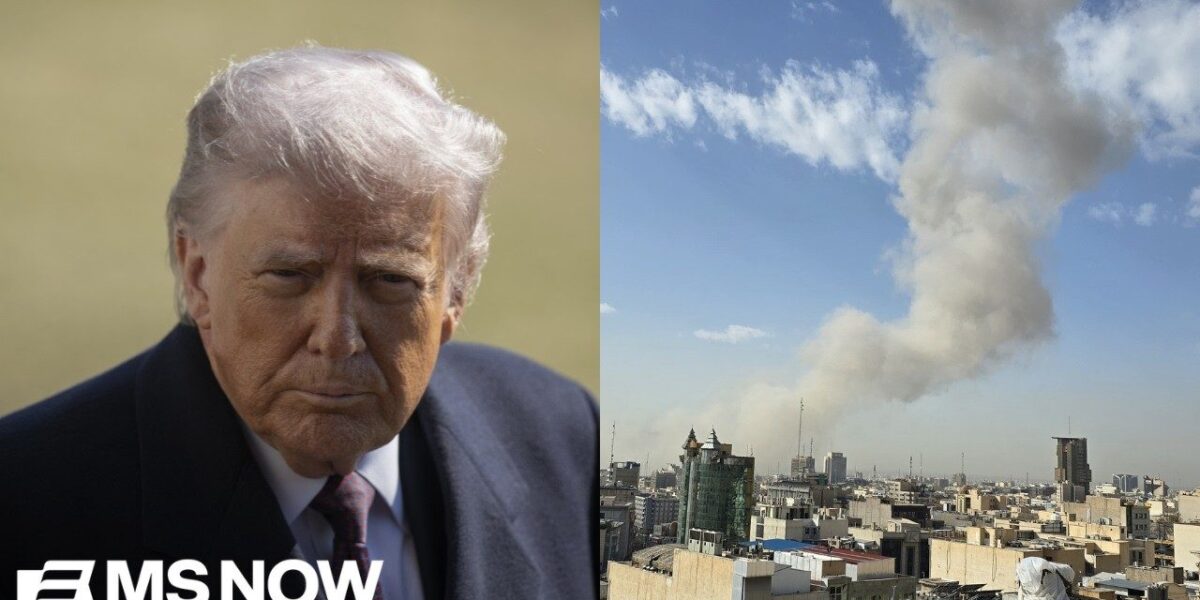
US Strikes Iran: A ‘War of Choice,’ Say Experts
In a significant escalation of regional tensions, the United States has launched strikes against Iran, a move that former Obama-era Ambassador Wendy Sherman described as a “war of choice, not of necessity.” The military action, launched without clear articulation of an imminent threat to the U.S., has drawn sharp criticism and raised profound questions about the administration’s strategy, diplomatic efforts, and the potential for wider regional instability.
Undermining Negotiations and International Concerns
The Omani foreign minister expressed dismay, stating that “active and serious negotiations have yet again been undermined” and urged the U.S. not to become further entangled, emphasizing, “this is not your war.” These comments suggest that diplomatic channels may have been closer to a resolution than publicly acknowledged, with the Omani minister indicating progress was being made before the strikes. Ambassador Sherman echoed this sentiment, suggesting that while negotiations with Iran are undeniably difficult, they were possible and were being conducted in a manner that seemed more like a “drive-by” than a sustained diplomatic effort.
The implications of the strikes extend beyond Iran’s borders, raising concerns about other critical global initiatives. “What will happen to the Gaza plan to ensure that the Palestinian people have a future and Israel is secure?” questioned Sherman, highlighting the potential ripple effects on ongoing efforts to achieve peace and stability in other volatile regions.
A Strategy Without a Clear Mandate?
Nicholas Kristof, a New York Times columnist, observed that the administration struggled to articulate a clear case for the strikes to the American public and the international community. He characterized the situation as potentially an “air motto without a strategy.” Kristof noted a potential miscalculation by the Trump administration, which may have underestimated Iran’s response based on past, less forceful reactions to U.S. actions in 2020 and the previous year. “I think they saw the attack, the killing of Qasim Soleimani in 2020, and Iran did not respond as much as many people had suggested,” Kristof stated, suggesting a belief that “we can do this.”
Kristof also pointed to the administration’s regime change aims, noting the limited success in toppling the Houthi regime in Yemen despite significant expenditure. He expressed skepticism about the idea that the Iranian populace would rise up to overthrow the current leadership, stating, “I’ve traveled through Iran… and the regime there is unpopular, but the idea that people are going to turn out in the streets and overthrow Ayatollah Khamenei, I’m skeptical.”
Regional Instability and Humanitarian Crisis
Eamon Mohadeen, co-host of MSNOW’s The Weekend Primetime, highlighted the immediate concerns regarding the humanitarian situation within Iran, noting the difficulty in verifying casualty figures due to an internet blockage that reduced connectivity to “four percent.” This information black hole makes it challenging for both those inside and outside Iran to assess the impact of the strikes.
Mohadeen also raised alarm about the potential for a wider humanitarian crisis and refugee outflow if the Iranian regime collapses. He warned that without a clear plan for governance and international support, a U.S.-led military intervention could lead to a scenario far worse than the post-invasion chaos in Iraq, especially in a country of 90 million people with diverse ethnic and political factions.
International Support Wanes, Risks Escalate
The international response has been notably cautious. Leaders from France, Germany, and the United Kingdom issued a statement emphasizing their non-participation in the strikes while remaining in “close contact” with partners. This stance suggests a deliberate distancing from the U.S. action, indicating a lack of full endorsement and potentially limiting the scope of international cooperation needed for any post-conflict stabilization.
The article also touches upon the logistical race against time concerning defensive capabilities. As countries like the UAE, Qatar, Kuwait, and Bahrain face missile attacks from Iran, the U.S. provides interceptor missiles. The critical question remains whether the U.S. can replenish these supplies faster than Iran can launch further attacks, underscoring the strain on U.S. military resources and the sustainability of its support.
The risks are manifold, including the potential closure of the Strait of Hormuz, increased terror attacks, and the safety of tens of thousands of troops stationed in the region. “I don’t think it’s limited. I just see this great disjunction between the aims and the probability that it will succeed and the risks to Americans and others,” Kristof concluded, summarizing the profound disconnect between the administration’s objectives and the escalating dangers.
The Day After: A Plan in Question
A central critique emerging from the discussion is the absence of a post-strike plan. Experts and officials consulted on the potential intervention were reportedly not consulted about the “day after” scenarios, including what would happen if the regime were to collapse. The article stresses that the U.S. cannot manage such a transition alone and would require either a strong on-the-ground opposition or robust international support to establish a new governing structure. Without such a framework, the intervention risks plunging a volatile region into further chaos, potentially mirroring and exceeding the instability seen in Iraq and Afghanistan.
Source: ‘A war of choice, not of necessity’: Obama-era ambassador reacts to U.S.-Israel strikes in Iran (YouTube)

Related Articles

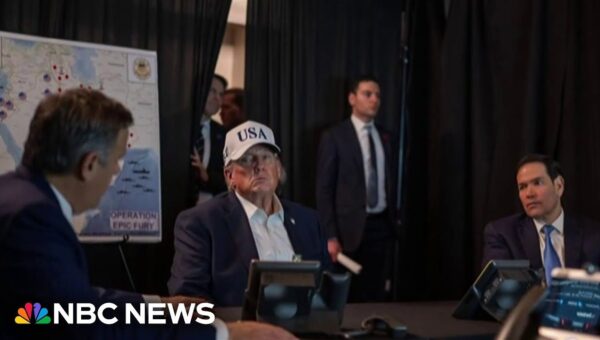
Trump: Iran Strikes Ahead of Schedule, Expects ‘Great Deal for World’
Three U.S. service members have been killed amid escalating conflict with Iran, President Trump confirmed. He stated that strikes are ahead of schedule, with senior Iranian leaders killed, and expressed optimism for a "great deal for the world" despite ongoing talks with Iranian officials.

Trump’s Putin Stance: US Strategy and Global Implications
Analysis suggests Donald Trump's approach to the Ukraine war involves pressuring Kyiv, but US involvement is crucial for resolution. China's influence and the 'MAGA' agenda's geopolitical implications are key factors.


US Strikes Iran: Mounk and Fukuyama Discuss Unpredictable Conflict
Leading political scientists Yascha Mounk and Francis Fukuyama analyze the recent US strikes on Iran, warning of unpredictable outcomes and internal instability. They question the objectives of the "war of choice" and its potential to destabilize the region, while also discussing the shifting global perceptions of Israel.