US Strikes Ignite Global War Fears
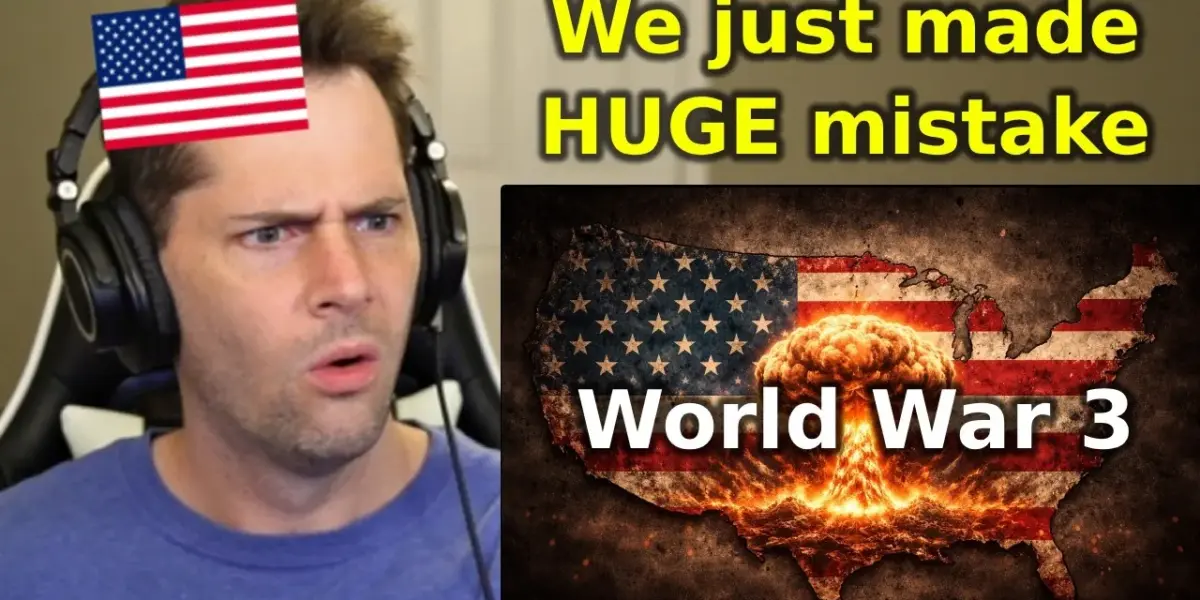
A recent video and its American reaction explore how US military actions in Iran have drawn over 20 countries into conflict, raising fears of a World War III. The analysis highlights a lack of awareness in the US about the global scale of the crisis and draws parallels to the lead-up to World War I.

US Strikes Ignite Global War Fears
A recent video titled “The USA Just Started World War 3” has sparked serious questions about America’s role in escalating global conflicts. The video suggests that the United States’ military actions, particularly recent bombings in Iran, could be the spark that ignites a wider world war. This perspective, shared by a typical American reacting to the news, highlights a concerning disconnect between official narratives and the broader global picture.
A World Drawn In
The analysis reveals a startling reality: the conflict is not confined to the Middle East. Since February 28th, over 20 countries in Europe and Asia have become militarily involved. Nations like Saudi Arabia, Kuwait, Bahrain, Qatar, the UAE, Oman, Jordan, Cyprus, Turkey, and Azerbaijan have faced Iranian drone or missile attacks. Meanwhile, the UK, France, Germany, Greece, Italy, the Netherlands, and Spain have sent warships to the Eastern Mediterranean, creating a significant naval buildup.
This widespread involvement has largely gone unnoticed in mainstream US media. The American reacting to the video expresses surprise at the number of nations drawn into the conflict, noting that US military bases in other countries have become targets due to American actions. The involvement of European allies, especially in light of past comments from figures like Donald Trump questioning the need for their help, is seen as particularly galling and disrespectful.
Russia and Ukraine’s Unexpected Roles
Adding another layer of complexity, the conflict has drawn in Russia and Ukraine. Russia is reportedly providing Iran with intelligence to target US forces, while Ukraine is helping the US and Gulf states by intercepting Iranian-made drones. This unexpected link between the wars in Ukraine and the Middle East suggests a dangerous intertwining of global tensions.
The video criticizes the US narrative that the conflict is nearing an end, pointing out that Iran shows no signs of surrender and that US troop deployments suggest a prolonged engagement. This disconnect between official statements and on-the-ground realities fuels distrust and concern.
Historical Parallels and Public Anxiety
“I desperately needed to see this video to truly understand the full picture and get that that outside perspective because obviously the news and the perspective that we’re getting here in the United States is extremely closed and seems to be like not talking about a lot of stuff, not crediting a lot of other countries and just Yeah.”
The video’s analysis draws chilling parallels to the events leading up to World War I. The creation of complex webs of alliances, intended to maintain a balance of power, ultimately led to a domino effect when conflict erupted. The current situation, with nations forming new alliances and deepening security cooperation, eerily echoes this historical precedent.
This growing global instability has led to widespread anxiety. Polls indicate that a significant portion of the American, Canadian, French, and British populations believe a world war is more likely than not within the next five years. The American reacting to this acknowledges that many in the US, especially younger generations, have grown up in a relatively peaceful era and may find the idea of another world war hard to grasp. However, they caution against dismissing the possibility, noting that the current scenario bears a resemblance to how World War I began.
Why This Matters
The implications of this expanding conflict are profound. The US, by initiating strikes against Iran, may have inadvertently drawn numerous allies into a dangerous confrontation. The lack of transparency and the differing perspectives between US media and international reporting create a significant information gap for American citizens. This gap prevents a full understanding of the consequences of US foreign policy decisions.
A World on Edge
The video highlights several factors contributing to the current geopolitical insecurity. The breakdown of the established international order has led countries to seek new alliances. In the Middle East, a perceived decline in US reliability as a security guarantor has spurred new defense pacts between nations like Saudi Arabia and Pakistan, and deepened cooperation between others.
The involvement of five nuclear powers – the US, Israel, the UK, France, and Russia – in various conflicts is particularly terrifying. While nuclear weapons have historically acted as a deterrent, the sheer number of nations possessing them creates a precarious balance. The possibility of escalation, however remote, carries catastrophic consequences for the entire world.
Can World War III Be Averted?
Despite the alarming parallels and current tensions, the video suggests that a third world war is not inevitable. Several key factors offer a glimmer of hope:
- Nuclear Deterrence: The existence of nuclear weapons still acts as a powerful check on direct conflict between major powers.
- Superpower Restraint: The current US leadership’s relationships with leaders in Russia and China may prevent direct confrontation with these superpowers.
- The Failure of War: The costly and often unsuccessful outcomes of recent conflicts, like those in Afghanistan, Iraq, and even Russia’s war in Ukraine, serve as a stark lesson. The ongoing struggles in Gaza and Lebanon further underscore that military action does not always yield desired long-term gains.
The hope is that the historical and recent track record of war’s failures will deter global leaders from embarking on another devastating world war. However, the American reacting to this remains cautious, noting that the basic understanding that war is tragic has not historically prevented it from occurring.
Looking Ahead
The video concludes by emphasizing the importance of understanding the full scope of global conflicts, especially for Americans who may be less informed due to domestic media coverage. The sentiment is that since the US is a primary actor in this escalating situation, its citizens bear a responsibility to be aware of the broader implications. The situation remains fluid, with the potential for further escalation or de-escalation depending on the decisions of global leaders.
Source: American Reacts to "The USA Just Started World War 3" (YouTube)

Related Articles
Iran’s IRGC Faces Economic Ruin, Sparking Internal Revolt
Iran's powerful Islamic Revolutionary Guard Corps (IRGC) faces a potential internal crisis as its economic foundations are targeted. Analysts believe crippling the IRGC's finances could spark an uprising from within, offering a path to regime change without a full military invasion. This strategy could reshape regional power and global economics.
US Iran War Plans Decades Old, Expert Says Unprepared
A leading diplomacy expert warns that the U.S. is heading into a potential conflict with Iran with inadequate preparation, despite decades of planning. Professor Dan Plesh highlights critical logistical issues and a lack of immediate readiness, comparing the situation to entering a major war "half-cocked."


Fear Grips Markets: Experts Urge Buying as Indexes Plunge
Major stock indexes have plunged this week, with the Nasdaq entering correction territory amid rising geopolitical fears and consumer anxiety. Despite the sell-off, investment experts are advising investors to adopt a contrarian approach, citing historical trends where markets recover after periods of intense fear.