US Strikes Cartels: A New Era of Intervention Dawns
The United States military, under former President Trump's direction, has conducted targeted strikes against cartel headquarters in Ecuador. This escalates the fight against drug cartels, signaling a potential shift towards more direct U.S. military intervention in the region.

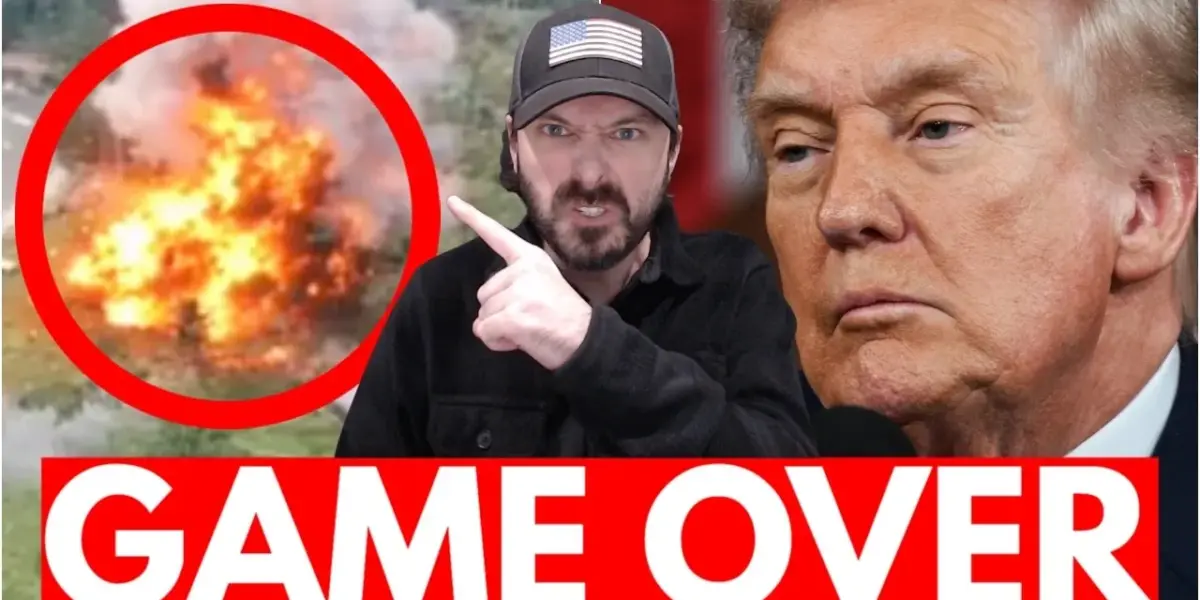
US Strikes Cartels: A New Era of Intervention Dawns
In a significant development that signals a potential shift in U.S. foreign policy and its approach to transnational crime, the United States military, under the direction of former President Donald Trump, has reportedly carried out targeted strikes against cartel headquarters in Ecuador. This operation, announced on March 6th and filmed on March 7th, marks a notable escalation in the fight against drug cartels, often labeled as ‘narco-terrorists’. The involvement of U.S. troops on the ground, combined with air power, aims to dismantle these organizations that fuel violence and corruption across the hemisphere.
Operation Details and U.S. Involvement
Sean Parnell, Assistant to the Secretary of War for Public Affairs, released a statement and video detailing the operation. The announcement highlighted a ‘second ground operation’ against cartels, following a previous one just days earlier. The U.S. Department of War, in coordination with Ecuador, executed a ‘targeted action’ against what is described as a ‘cartel supply headquarters’ that served as a ‘command and control node’ for drug trafficking into the United States.
The statement emphasized the collaborative nature of the operation, commending President Noboa and the government of Ecuador, as well as Ecuador’s defense and security forces. “This operation demonstrates the power of coordinated action and sends a clear message. Naroterrorist networks will not find refuge in our hemisphere,” the statement read, underscoring the U.S. commitment to supporting nations fighting against narco-terrorism.
Visual Evidence and Operational Ambiguity
The accompanying footage showed U.S. troops being deployed via helicopter in Ecuador, with subsequent aerial views of a cartel facility being struck and subsequently destroyed. The visuals depicted helicopters landing, troops on the ground, and then significant explosions that obliterated the target building. While the footage clearly shows the destruction of a cartel facility, the exact nature of the engagement on the ground remains somewhat ambiguous in the provided material. It is unclear if shots were fired at the facility by the troops before demolition, or if explosives were deployed after the area was secured. The destruction itself, however, is undeniable, with the building described as ‘vaporized’ and ‘completely 100% gone’.
Historical Context and Precedent
The current administration’s willingness to engage in direct military action against cartels in other sovereign nations is a significant departure from previous U.S. strategies. While the U.S. has long been involved in drug interdiction and support for anti-narcotics efforts in Latin America, direct military strikes on suspected cartel infrastructure, especially with ground troops, represent a more aggressive posture. This approach echoes sentiments expressed by Donald Trump during his presidency, where he frequently advocated for a tougher stance against cartels and even suggested labeling them as foreign terrorist organizations, which could have opened the door for broader military action.
Trump’s Stance and Future Implications
Former President Trump, in remarks related to these operations, has articulated a clear willingness to engage militarily against cartels in any country that requests assistance. He stated, “We’ll use missiles. If you want us to use a missile, they’re extremely accurate. right into the living room. That’s the end of that cartel person.” This suggests a policy of direct intervention, offering U.S. military might to ‘bomb the cartels in any country’ that provides coordinates. He further extended this sentiment to Mexico, expressing concern that cartels are ‘running Mexico’ and stating, “We have to eradicate them. We have to knock the hell out of them because they’re getting worse.” This assertive rhetoric, coupled with the reported strikes, indicates a strong inclination towards a more kinetic and interventionist approach if Trump were to return to office.
Why This Matters
The implications of this U.S.-led military action in Ecuador are far-reaching. Firstly, it sets a precedent for potential future interventions, not just in Ecuador but potentially in other Latin American countries struggling with cartel violence. This raises complex questions about national sovereignty, international law, and the role of the United States in regional security. Secondly, the rhetoric from Trump suggests a willingness to bypass traditional diplomatic channels and employ direct military force, which could escalate tensions and potentially lead to unintended consequences. The focus on ‘peace through strength’ and the ‘crushing’ of cartels with ‘no mercy’ reflects a hardline stance that prioritizes immediate disruption over potentially longer-term, multifaceted solutions that might include addressing root causes of drug production and trafficking.
Trends and Future Outlook
The trend towards labeling drug cartels as narco-terrorists and using military force against them is becoming more pronounced. This operation in Ecuador, supported by the former president’s strong endorsement, suggests that such an approach could be a key component of future U.S. foreign policy, particularly concerning the southern border and the flow of illicit substances. The future outlook could involve increased U.S. military engagement in Latin America, potentially straining relationships with some regional governments while strengthening ties with others willing to accept U.S. intervention. The effectiveness and long-term consequences of such a strategy will be critical to monitor, as it moves beyond traditional law enforcement and intelligence cooperation into direct military confrontation.
The operations, described as successful in disrupting cartel logistics and command structures, are presented as a clear message to criminal organizations. However, the sustainability and broader impact of this strategy remain open to debate. The fight against drug cartels is deeply entrenched and involves complex socio-economic factors. While decisive action can yield immediate results, the question of whether it can truly ‘eliminate this problem’ without addressing the underlying issues of poverty, corruption, and demand remains a critical challenge.
Source: BREAKING: Trump BOMBS Cartel Headquarters *STRIKE FOOTAGE* (YouTube)

Related Articles

Trump’s Apathy Exposed: Apathy Fuels Endless War
An analysis of Donald Trump's response to the deaths of U.S. service members in the recent conflict with Iran reveals a disturbing pattern of apathy. His public statements and demeanor during a dignified transfer ceremony have drawn sharp criticism, raising questions about his commitment to the sacrifices made by American troops.

Michigan Rebels: Trump’s Policies Fuel Backlash
A deep dive into the growing backlash against Donald Trump's policies in Michigan, revealing how tariffs, rising costs, and a perceived lack of accountability are fueling discontent and potentially reshaping the state's political landscape.

Republican Dissent Signals Deep Trouble for Trump on Epstein Files
Republican dissent is growing over the handling of the Jeffrey Epstein files, with lawmakers admitting to being misled. This internal criticism signals significant trouble for Donald Trump, suggesting a deliberate cover-up rather than a commitment to transparency.