US Strike on Iranian School Caused by ‘Fundamental Mistakes’
A U.S. missile strike on an Iranian primary school, which killed at least 175 people including many children, was caused by "fundamental mistakes" and outdated intelligence, according to a preliminary investigation. Former military officials cite critical failures in vetting and verification processes.


US Military Blamed for Deadly Strike on Iranian School
A preliminary investigation into a U.S. missile strike that hit an Iranian primary school on February 28th, killing at least 175 people, predominantly children, has found the incident to be the result of “fundamental mistakes” by the U.S. military. The strike occurred on the first day of U.S. operations against Iran and has raised serious questions about intelligence vetting and targeting protocols within the Department of Defense.
Intelligence Failures Cited in Preliminary Report
According to information provided to The New York Times from individuals briefed on the ongoing investigation, the Tomahawk missile strike was a catastrophic targeting error. The Defense Intelligence Agency (DIA) reportedly provided target coding that labeled the school building as a military target. This information was then passed to U.S. Central Command (CENTCOM), the military headquarters overseeing the operation.
Wes J. Bryant, a former Pentagon chief of civilian harm and retired U.S. Air Force Master Sergeant, described the situation as “feasible” but “a shameful excuse” if the military attempts to deflect responsibility by blaming different agencies. Bryant, who has extensive experience in targeting and civilian harm mitigation, stated that the errors violated “targeting 101” – the most basic principles of U.S. military doctrine and best practices.
Outdated Imagery and Data Contributed to Error
Further details suggest that the intelligence used by the DIA may have been significantly out of date. Images reviewed for the investigation appear to predate 2013, indicating that the targeting team may have been working with information that was over five years old. This outdated imagery failed to reflect the presence of a school adjacent to buildings used by Iran’s Islamic Revolutionary Guards Navy.
“We already knew that, you know, our database for imagery and intelligence on what we call a no-strike list in a given area… was very out of date,” Bryant explained, referencing his time at the Pentagon’s former civilian protection center. He noted that this was particularly problematic in areas where U.S. presence is not significant.
The compound also reportedly contained a medical facility, the targeting of which would be a violation of international law if its nature was known. The investigation highlights a confluence of outdated map data, imagery, and targeting intelligence.
Multiple Layers of Vetting Failed
Despite the outdated intelligence, Bryant emphasized that the responsibility ultimately lies with the targeting team. “Per our own standards in the US military, it’s incumbent on that targeting team that receives their intelligence, whatever intelligence that may be, to properly vet it, to properly characterize every single thing, entity, person that they’re going to target before they conduct an actual strike. And that did not happen here,” he stated emphatically.
The vetting process involves multiple layers of checks. Not only did the DIA and CENTCOM fail to properly vet the information, but the strike group itself, operating from the USS Lincoln, also missed these critical verification steps. “We have redundant layers of checks in our targeting system, in our intelligence and vetting system, and it missed every single layer here,” Bryant said.
He further elaborated on the operational realities of past conflicts, acknowledging that working with older data was common during the early years of the War on Terror. However, he stressed that awareness of this limitation meant that the executing task force or team had a duty to verify the target’s status at the moment of engagement.
Responsibility and Presidential Reaction
When questioned about the report on the White House lawn, President Trump claimed to be unaware of the findings. Bryant described the response from both the administration and President Trump as “shameful,” particularly in light of their public statements about supporting the Iranian people.
“It seems to me they don’t care about the population at all,” Bryant remarked, questioning the sincerity of their humanitarian claims when such deadly errors occur due to a lack of diligence.
Looking Ahead
The ongoing investigation is expected to reveal further details about the intelligence failures and the chain of command that led to the tragic strike. The findings will likely prompt a review of U.S. military targeting protocols and intelligence vetting procedures, especially in complex environments where outdated information poses a significant risk to civilian lives. The administration’s handling of the aftermath and any subsequent policy changes will be closely watched.
Source: US Strike That Hit Iranian School Caused By ‘Fundamental Mistakes’ | Wes J Bryant (YouTube)

Related Articles

Iran Escalates Strait of Hormuz Attacks, US Strikes Back
Iran's aggressive targeting of tankers in the Strait of Hormuz has triggered a robust US military response. Amidst conflicting signals on war duration and objectives, the conflict's strategic implications, including potential economic disruption and the human cost of errors like the recent school strike, are under intense scrutiny.

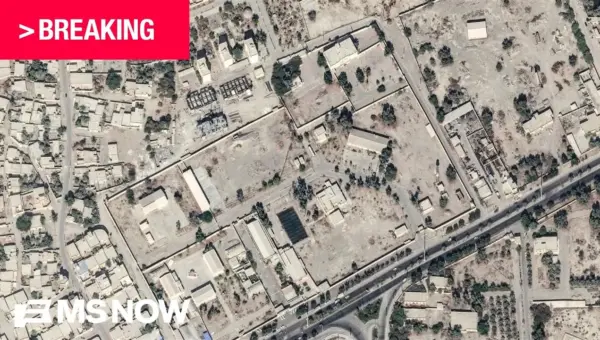
US At Fault for Deadly Iran School Strike, NYT Reports
A preliminary U.S. military investigation reportedly found outdated intelligence led to a strike on an Iranian school, killing 175, mostly children. The New York Times cited officials, indicating a failure to update data about the building's status as a school.


Ukraine’s Drone Tech to Defend US Bases: A Geopolitical Game-Changer
The United States is now seeking advanced drone technology from Ukraine to protect its military bases in the Middle East, marking a significant shift in global defense dynamics. This move highlights Ukraine's innovation in drone warfare and its growing strategic importance in countering Russian aggression.