US Shifts Iran Strategy: Deal Over Regime Change
The U.S. is reportedly shifting its Iran strategy, moving from seeking regime change to pursuing a diplomatic deal. This approach aims to curb Iran's nuclear program and missile development through inspections in exchange for easing sanctions, though concerns remain about the reliability of the Iranian regime and historical precedents.

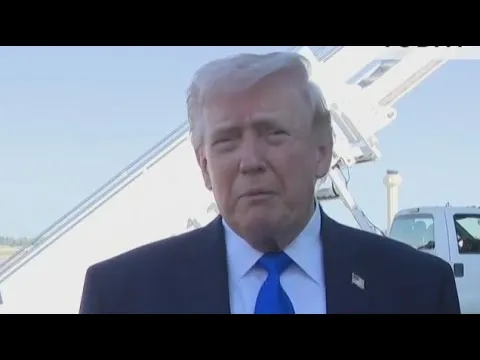
US Rethinks Iran Policy, Eyes Deal Over Direct Intervention
The United States appears to be moving away from trying to force a regime change in Iran. Instead, the focus may shift towards striking a deal with the current Iranian government. This change in thinking comes as direct military intervention, like sending troops on the ground, is seen as highly unlikely.
Why a Deal is Being Considered
The Trump administration seems to believe that changing Iran’s government by force is not a realistic option. Sending thousands of ground troops is something that is simply not going to happen. Because of this, the new plan is to make a deal. This agreement would likely involve international inspectors being allowed to check Iran’s nuclear sites. They would also verify that Iran is not developing ballistic missiles. In return for these concessions, the U.S. would ease the tough economic sanctions currently in place against Iran. The hope is that this deal will prevent Iran from advancing its nuclear program and missile capabilities.
Uncertainty About Iran’s Leadership
A major challenge in this potential deal is the uncertainty surrounding Iran’s leadership. It’s unclear who is actually in charge and who is making decisions within the Iranian government. This lack of clarity raises questions about the reliability of any promises made. Some argue that the U.S. public doesn’t fully know who these leaders are, making it difficult to trust any agreement. The concern is that Iran, a country whose leaders have chanted ‘Death to America,’ could use any deal to get stronger. They might then use this new strength to threaten the U.S. again later.
Historical Parallels and Warnings
This situation draws comparisons to past diplomatic efforts, particularly the Munich Agreement before World War II. In 1938, British Prime Minister Neville Chamberlain made a deal with Nazi Germany’s Adolf Hitler. The goal was to avoid war. However, this agreement only postponed the conflict and is widely seen as a failure. Critics warn that making a deal with Iran, which they consider an ‘evil’ regime, could be a similar mistake. They argue that appeasing such regimes can embolden them rather than solve the underlying problems. The question remains: has making a deal with an ‘evil’ entity ever truly worked out in the long run?
The Hope for Internal Change in Iran
Beyond the direct negotiations, there is another hope driving this strategy. The U.S. government hopes that Iran’s current government is in deep trouble. They believe that if a ceasefire is reached, perhaps in the Strait of Hormuz, and the country’s economy shows signs of recovery, the Iranian people might rise up. The idea is that the people will overthrow their current leadership and establish a new, more moderate government. This is seen as the best-case scenario, allowing for change from within Iran itself.
Skepticism and the Need for Scrutiny
However, there is a strong call for skepticism regarding any deal proposed by any administration. It’s important for Americans to think critically and examine what is actually being presented. The current situation in Iran is not seen as good news by many observers. Even allies like Israel are reportedly working on their own strategies concerning Iran. The advice given is to be cautious and not blindly accept promises, especially from governments that have historically been hostile.
Potential Future Actions
If a deal is made and inspectors are allowed into Iran to examine its weapons and nuclear materials, there’s a plan for what happens next. If Iran, like Saddam Hussein did in the past, denies access or violates the agreement, the U.S. could resume military action. This would likely be a more difficult path than the original plan. The current approach is based on the hope that Iran’s economy is so damaged that its people will demand change.
Global Impact
This potential shift in U.S. policy towards Iran has wide-reaching implications. For decades, tensions between the U.S. and Iran have shaped the Middle East. A diplomatic deal, even with an imperfect regime, could alter regional power dynamics. It might reduce the immediate threat of conflict, but it also raises concerns about Iran’s long-term behavior and its influence in areas like Yemen and Syria. The involvement of other global powers, such as China potentially supplying Iran with weapons, adds another layer of complexity. The success of any deal will depend heavily on verification and the willingness of all parties to adhere to its terms. This approach reflects a pragmatic, albeit risky, attempt to manage a complex geopolitical challenge without resorting to direct military conflict.
Source: Troops on ground in Iran never going to happen: Bill O’Reilly | On Balance (YouTube)

Related Articles

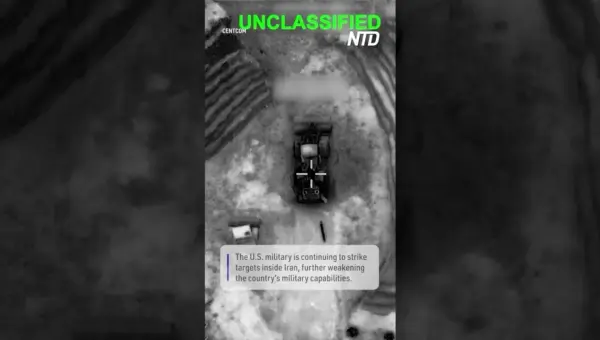
US Strikes Cripple Iran’s Military Might, CENTCOM Reports
U.S. Central Command reports ongoing strikes inside Iran are significantly weakening its military power. This direct action aims to reshape regional security dynamics, but carries risks of escalation. The long-term impact depends on Iran's response and ability to adapt.

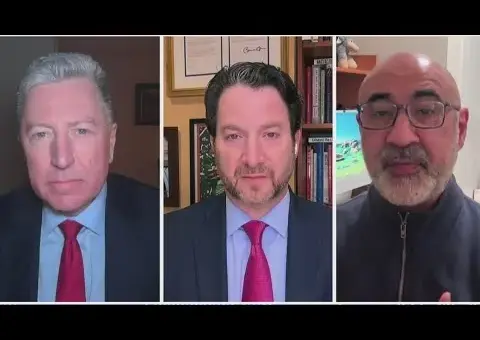
U.S. Iran Tensions Rise Amid Shifting Alliances
Rising tensions between the U.S. and Iran are creating a volatile geopolitical situation. With conflicting signals on de-escalation and potential shifts in alliances like NATO and U.S.-Israel relations, the path forward remains uncertain. The global economy and regional stability hang in the balance.


Iran Targets US With Cyberattacks, Escalating Digital Warfare
Iran is increasingly using cyberattacks to challenge the U.S., as seen in a recent hack of the FBI director's account. Experts say this is a strategic shift due to Iran's limitations in conventional warfare. The U.S. needs to strengthen its digital defenses, focusing on encryption and cloud computing, rather than solely relying on traditional security measures.