US Shifts Alliances, Aligns With Russia, Alarming Europe
The United States is undergoing a significant foreign policy shift, moving closer to Russia and distancing itself from European allies. This change, highlighted by US support for Hungary's Victor Orban, signals a potential reshaping of global alliances and economic relationships.

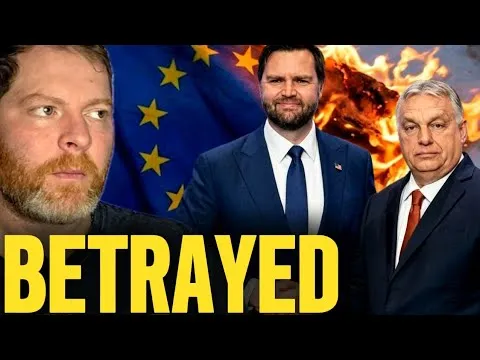
US Shifts Alliances, Aligns With Russia, Alarming Europe
The United States is making a significant turn in its foreign policy, moving closer to Russia and away from its traditional European allies. This shift, marked by a high-level visit to Hungary and support for its leader, Victor Orban, is alarming many in Europe and signals a potential reshaping of global alliances. This is not just a small change; it’s a fundamental alteration in how America interacts with the world.
America’s New Path: Support for Orban and Russia
Vice President JD Vance’s visit to Hungary to back Victor Orban is a key moment. It’s rare for the US and Russia to support the same political figure. This move suggests America’s administration is building stronger ties with Russia’s government, the Kremlin. Many see this as a betrayal of long-standing European partners.
The administration’s view of Hungary and Orban goes beyond simple politics. It’s framed in America as a win in a ‘culture war.’ Hungary is presented as a last stand for European traditions and values, which the administration believes are also important in the US. This connects to current anxieties in America about social issues, like the LGBTQ community and immigration.
Economic Pressure on Europe
Beyond ideology, the US is also tightening its economic influence on the European Union. The high cost of fuel and energy imports has severely hurt European economies. This economic strain is a major factor behind protests in places like Ireland, where people are struggling with rising costs and a decreasing standard of living.
The actions of the current US administration seem to benefit Russia financially and militarily, rather than helping its European allies. Despite claims of strong US-Europe bonds from figures like Senator Marco Rubio, these visits feel like a dismissal of past promises and a sign that US intentions can’t always be trusted.
Europe’s Response: Decoupling and Distrust
Across Europe, leaders and citizens are looking to distance themselves from the United States. The economic fallout and geopolitical consequences of this US-Russia alignment are not being felt as deeply by Americans, but they are a major concern for Europeans. They worry about Europe becoming a potential conflict zone, a stark contrast to US promises.
This new US direction challenges the very foundation of NATO, the North Atlantic Treaty Organization. There’s a growing discussion about NATO dissolving or even removing the US to better protect its own interests. In Canada, a significant portion of the population reportedly wants to join the European Union, as doing business with the US has become difficult.
Symbolism and a Shift to a War Economy
Symbolic changes in the US also point to a shift. Removing peace symbols like the olive branch from military emblems and renaming the Department of Defense to the Department of War signal a move towards a wartime economy. While the defense budget has increased significantly, social safety nets for Americans are being reduced.
The US is increasingly seen as an empire that prioritizes its own economic gain, even at the expense of global stability. The conflict in Iran, for example, has been profitable for the US military and financial sectors, fueled by market manipulations before major announcements. This approach puts immense pressure on both global populations and the American people.
The Culture War Distraction
A key strategy of the current US administration appears to be distracting its own citizens. By focusing intensely on ‘culture war’ issues, the administration diverts attention from crucial global realignments, shifting trade partnerships, and the impact on American workers. Issues like affordability and the rising cost of living are neglected while the focus remains on social debates and political spats.
The administration’s messaging suggests a focus on winning wars rather than domestic welfare. This aligns with a desire to be seen as a conqueror, as suggested by former President Trump’s remarks about preparing for ‘the next conquest.’ The US approach of destabilizing regions, risking lives, and committing potential war crimes without consequence has become a pattern.
Global Reaction and Iran’s Stance
The global community has largely failed to hold the United States accountable for its actions. Iran is noted as one of the few countries actively resisting US pressure. While condemned for its actions, Iran uses the tools it has to defend itself, especially concerning critical waterways like the Strait of Hormuz.
The idea of national self-determination and sovereignty, once a core American value, seems to have faded. This shift might explain the current global support for Iran, which is often portrayed negatively. Many nations are tired of the old ways and are seeking new balances of power.
Economic Hardship and the Path Forward
Governments worldwide are struggling with the economic impact, especially concerning fuel prices. While some countries, like Australia, have reduced fuel taxes to help citizens, many others have not. This compounds the financial stress on populations already facing hardship.
The current global situation is not temporary. The ‘culture war’ has led to real-world consequences, permanently altering trade alliances, partnerships, and defense agreements. Most Americans are unaware that the rest of the world increasingly views them as adversaries. This realization is difficult for many Americans to accept.
Internal Dissent and Future Scenarios
The US government is taking steps to monitor and suppress internal dissent. The creation of a new FBI center focused on ‘pre-crime’ and monitoring social media for opposition to the current administration raises concerns about freedom of speech. Those who voice opposition risk being put on watchlists.
This situation presents a dark future where peaceful protest might not be enough. The passivity of the American people, coupled with these governmental actions, could lead to the further decline of democratic principles and a US that is increasingly isolated on the global stage. The world order is changing, and the US may find itself on the outside.
Source: AMERICA JUST SWITCHED SIDES: The European Betrayal (YouTube)

Related Articles
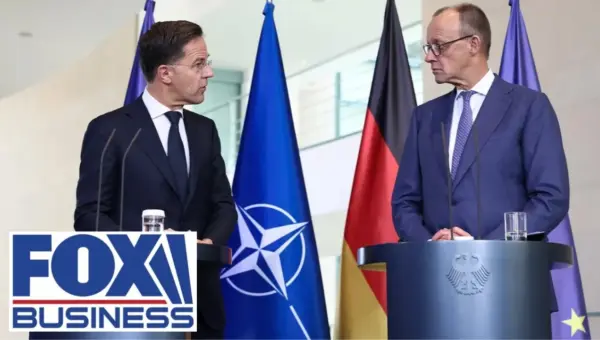
Rutte Faces Backlash: Trump Allies Criticize NATO Chief
NATO Secretary General Jens Stoltenberg's remarks on global safety and Iran's nuclear program have drawn fire from Trump allies. Former State Department official Christian Whiton called Stoltenberg the "odd man out" in Europe, questioning the substance behind his supportive words for U.S. policy. The debate also raises questions about potential U.S. troop realignments within the NATO alliance.
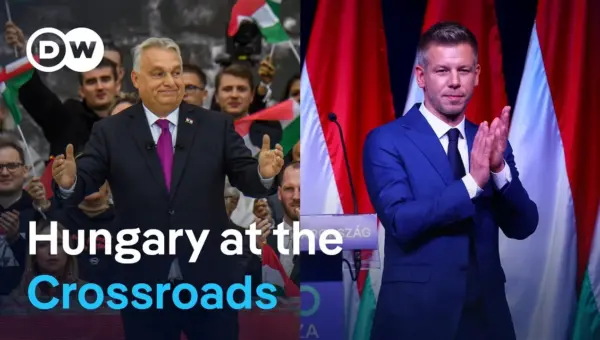
Hungary Votes: Orban Faces Uphill Battle After 16 Years
Hungary is heading to the polls with Prime Minister Viktor Orban facing his toughest challenge in 16 years. Trailing in polls, Orban's campaign focuses on war fears and EU criticism, while opposition leader Peter Módor promises a return to Western values and economic reform. The election outcome could significantly alter Hungary's direction.
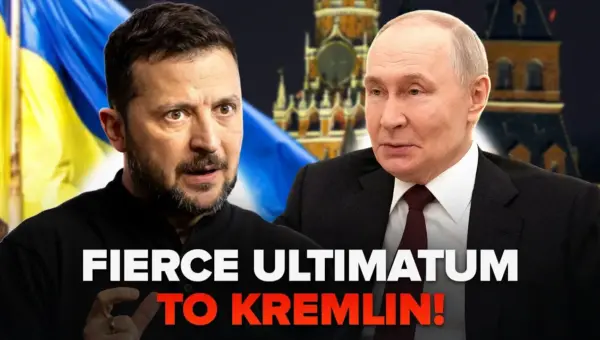
Ukraine Drones Inflict Heavy Russian Losses
Ukrainian drone units inflicted 29% more losses on Russian forces in March than in February, marking a significant tactical shift. President Zelenskyy remains firm on territorial integrity while open to dialogue. Meanwhile, US-Europe relations face strain amid discussions of troop realignments and NATO's future.