US Sends Troops to Middle East Amid Iran Nuclear Talks
The U.S. is deploying thousands of troops to the Middle East amid unclear negotiations with Iran over its nuclear program. Analysts suggest the military buildup is a tactic to pressure Iran, while Saudi Arabia reportedly urges continued action. Pakistan is emerging as a potential intermediary in the complex diplomatic situation.

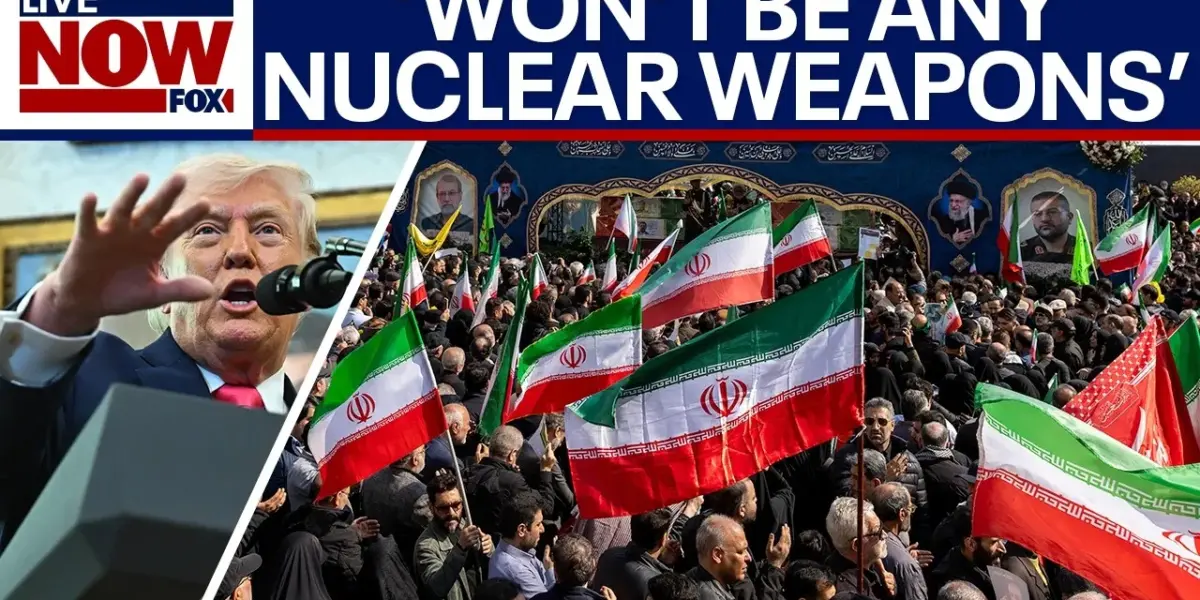
US Deploys Thousands of Troops Amid Tense Iran Negotiations
The United States is sending thousands of soldiers from the 82nd Airborne Division to the Middle East, a move analysts suggest is part of a dual strategy by President Trump. This deployment comes as reports indicate ongoing, though often unclear, discussions between U.S. and Iranian officials regarding Iran’s nuclear program and regional stability.
Military Buildup in the Gulf Region
The Pentagon is expected to send approximately 3,000 troops from the 82nd Airborne Division to the Middle East. This follows the deployment of other units, including the 31st and 11th Marine Expeditionary Units, each comprising around 2,200 to 2,500 personnel. These forces are described as highly mobile and capable of rapid deployment, with the 82nd Airborne possessing parachute capabilities that allow for insertion into various locations, potentially even strategic sites within Iran.
Retired Marine intelligence officer Hal Kemper explained the significance of the 82nd Airborne’s deployment. “It’s a lighter force. They can put it out there quickly,” Kemper stated. He highlighted their unique airborne capabilities, noting, “They can insert into various places… in a way that other forces couldn’t get there because they’re airborne.” Kemper believes this military buildup is a calculated part of President Trump’s negotiation strategy. “On the one hand, he’s trying to get a deal. On the other hand, he’s bringing in more capabilities. He’s putting more pressure on the regime,” he said. This approach allows for a potential military option, including ground forces, if diplomatic efforts stall.
Saudi Arabia’s Push for Regional Change
According to reporting from The New York Times, Saudi Arabia’s Crown Prince Mohammed bin Salman (MBS) has reportedly urged President Trump to continue military action against Iran. MBS is said to view a U.S.-led campaign as a “historic opportunity to remake the Middle East.”
Kemper noted that while the public reporting might be surprising, MBS’s stance aligns with Saudi Arabia’s strategic interests. “They do not want to see this regime stay in place. They do not want to see the threat of the regime,” he explained. Saudi Arabia fears Iran’s intentions, particularly its past attacks on critical infrastructure. The Crown Prince reportedly wants to avoid a scenario where the U.S. withdraws after a deal, leaving a destabilized Iran that could later pursue weapons of mass destruction.
Ambiguity in U.S.-Iran Communications
Despite President Trump’s claims that Iran has agreed to forgo nuclear weapons and has made a valuable offer for a deal, the level of clarity regarding direct communication remains low. Reports from various outlets, including Fox News, suggest progress, but official details are scarce.
Kemper expressed the prevailing uncertainty. “Unfortunately, not much. It’s very unclear,” he said. The specifics of a reported 15-point plan have not been publicly disclosed. While the U.S. position of preventing Iran from obtaining nuclear weapons is a top priority, Iran’s Revolutionary Guard Corps has repeatedly denied that any high-level talks are taking place, calling such reports “fake news.”
However, Kemper suggested that communication is likely occurring, though the exact channels and Iranian representatives involved are unknown. He noted that powerful figures, such as the speaker of the parliament, could be involved. The critical issue for many is the reopening of the Strait of Hormuz, essential for global oil and liquefied natural gas (LNG) shipments. The region’s stability is also vital for fertilizer production, impacting global food supplies.
Pakistan’s Role as an Intermediary
In the complex diplomatic landscape, Pakistan is reportedly attempting to act as an intermediary between the U.S. and Iran. This comes despite a recent history of cross-border missile exchanges between the two nations.
Kemper highlighted Pakistan’s unique position. “Pakistan brings, it’s got a strong relationship with the United States,” he stated. Crucially, Pakistan does not host permanent U.S. military bases, making it less of a target for Iranian retaliation compared to other regional allies. This neutrality allows Pakistan to engage in discussions with both sides. “They basically, as far as I can tell, they have been talking to the Iranians and us and kind of playing that intermediary role,” Kemper observed. This role contrasts with Turkey’s efforts, which were impacted after facing Iranian retaliatory actions.
U.S. Air Power in the Middle East
The U.S. military has been showcasing its advanced air capabilities in the region, recently sharing images of an F-22 Raptor preparing for combat. This is part of a broader display of various fighter jets deployed in the Middle East, including F-18s, F-35s, F-16s, F-15s, and A-10 attack jets.
Kemper provided insights into the roles of these aircraft. The F-22 Raptor is primarily an air superiority fighter, excellent for air-to-air combat and drone defense, but also used for strike missions. Its newer stealth-compatible fuel pods enhance its range. The F-35, considered the workhorse, is more advanced for strike missions and is used across all U.S. military branches. Older but still capable aircraft like the F-18, F-16, and F-15 remain vital. The F-15s, in particular, feature advanced avionics. The A-10 Thunderbolt II, known for its powerful 30mm Gatling gun, is highly effective against ground targets like tanks and has also been used against small boats and drones, especially in close air support roles.
What’s Next in the Region
As troop deployments continue and diplomatic channels remain somewhat opaque, attention will be focused on whether substantive progress can be made in negotiations with Iran. The stability of the Strait of Hormuz and the broader implications for global energy and food markets will be closely watched. The effectiveness of Pakistan’s intermediary role and the ongoing strategic signaling through military presence will also shape future developments in the region.
Source: Trump says Iran agreed to no nuclear weapons, ‘best bargaining position’ (YouTube)

Related Articles

U.S. Iran Tensions Rise Amid Shifting Alliances
Rising tensions between the U.S. and Iran are creating a volatile geopolitical situation. With conflicting signals on de-escalation and potential shifts in alliances like NATO and U.S.-Israel relations, the path forward remains uncertain. The global economy and regional stability hang in the balance.
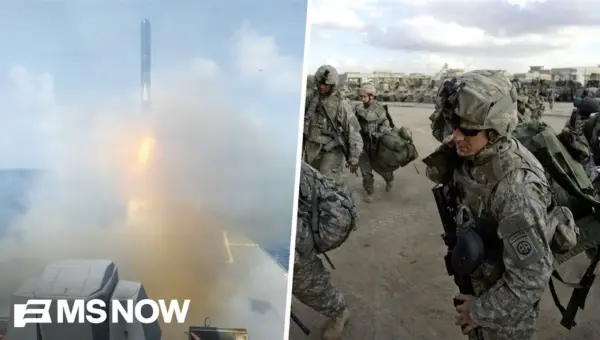
Iran Missile Strikes Injure US Troops, Raise War Concerns
Iranian missile strikes have injured U.S. service members, escalating tensions as the conflict nears one month. The attacks are raising concerns about the effectiveness of U.S. military strategy and the depletion of crucial missile stockpiles. Global oil prices have surged, impacting economies worldwide.

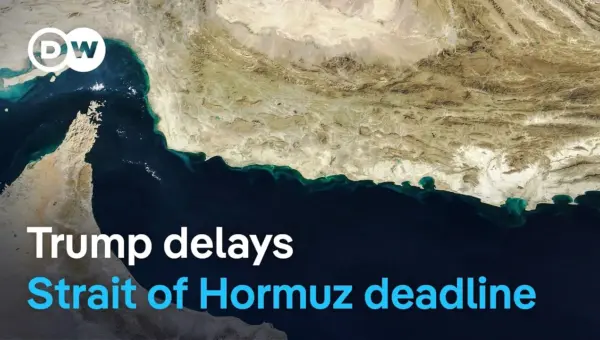
Trump Delays Iran Strike Deadline Amidst Shifting Diplomacy
President Donald Trump has extended his deadline for potential strikes on Iranian energy plants to April 6th, amid reports of U.S.-Iran diplomatic talks mediated by Pakistan. This move comes as Israel continues its strikes on Iran and the U.S. deploys additional military assets to the region. Analysts point to mixed signals, economic pressures, and strategic miscalculations as key factors shaping the evolving situation.