US Sends Reinforcements to Mideast Amid Escalating Tensions
The U.S. is deploying an additional 2,000 troops to the Middle East amidst rising regional tensions and casualties. Lawmakers are questioning military readiness and the significant funding requested, while conflicting messages from leaders add to the uncertainty.

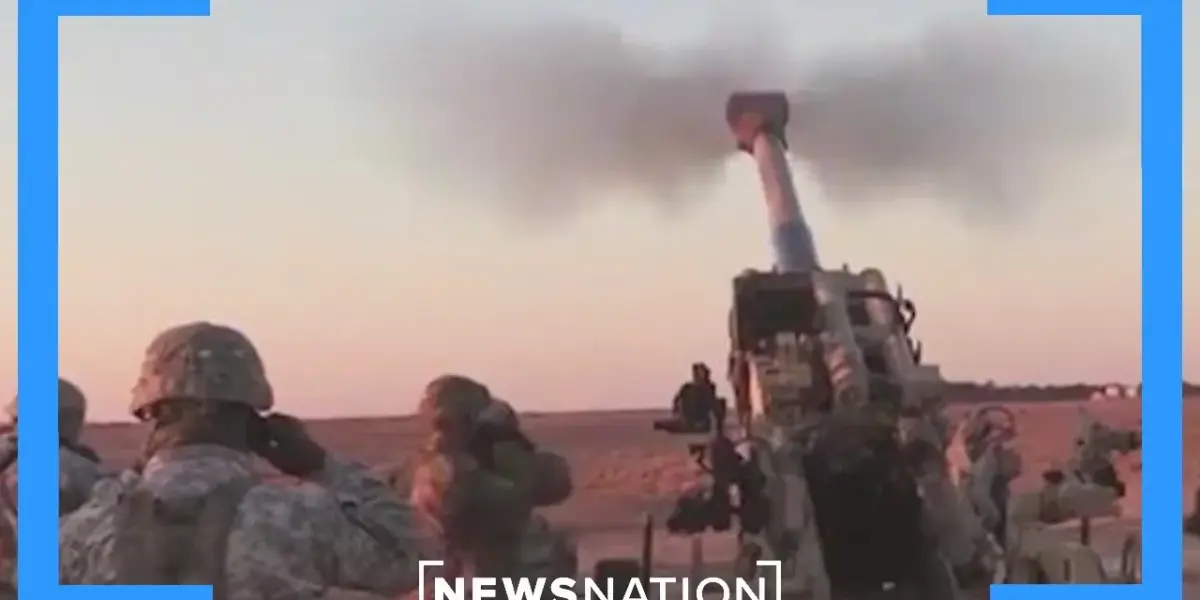
US Bolsters Military Presence in Middle East
The United States is sending about 2,000 troops from the Army’s 82nd Airborne Division to the Middle East. This move signals an increased American military commitment in a region already facing significant challenges. The White House stated the President has all military options available. This deployment comes as the U.S. has seen casualties, with 190 troops wounded so far. While most wounded have returned to duty, 10 remain seriously injured. Tragically, at least 13 American service members have died in recent events.
Conflicting Messages on Conflict’s End
Despite the troop increase, former President Trump has suggested the conflict is over. However, Iran’s top military commander has stated their armed forces will fight until complete victory. These contrasting viewpoints create uncertainty about the future direction of the situation and are likely to be closely examined by military experts.
Concerns Over Military Readiness
Lawmakers are raising alarms about the U.S. military’s readiness. A key concern is that the military is stretched too thin across multiple global commitments. Senator Jeanne Shaheen, a leading Democrat on the Senate Foreign Relations Committee, pointed out a significant shortage of interceptors, a type of missile defense system. She warned that without a clear objective for the current military actions, the U.S. is making difficult choices about where to send vital resources. The Pentagon is asking Congress for an additional $2.1 trillion in funding for ongoing operations.
Debate Over War Spending
Some Republican lawmakers are questioning the large funding request. They want to know exactly where the money will be spent. Some have expressed frustration with continuous overseas spending. This debate over weapons and budget for the current conflict is happening at the same time the Army is raising its maximum enlistment age. The age is increasing from 35 to 42 years old, a change the Pentagon says aligns the Army with the Space Force’s policies.
Global Impact
The decision to send more troops to the Middle East and the ongoing debate about military readiness highlight the complex challenges facing U.S. foreign policy. The region remains a critical area for global energy supplies and international security. Increased military presence can stabilize some situations but also carries the risk of further escalation. The financial strain of prolonged military engagement also affects domestic priorities and international perceptions of U.S. capabilities. The differing messages from political leaders and military commanders add another layer of complexity, potentially influencing regional actors and allies.
Historical Context
The U.S. has a long history of military involvement in the Middle East, dating back decades. This involvement has often been driven by concerns over energy security, regional stability, and counter-terrorism efforts. Past interventions and diplomatic efforts have shaped current alliances and rivalries. The current troop deployment can be seen as part of a continuous effort to manage these long-standing interests, though the specific triggers and objectives may evolve.
Economic Considerations
The substantial funding requested by the Pentagon underscores the economic cost of military operations. The debate in Congress over this spending reflects a broader discussion about national priorities. Resources allocated to military operations could otherwise be used for domestic programs or other foreign policy initiatives. The economic stability of the Middle East, particularly its role in global oil markets, also remains a crucial factor influencing international relations and U.S. policy.
Future Scenarios
Several future scenarios are possible. The increased troop presence could deter further aggression and lead to a de-escalation of tensions. Alternatively, it could be seen as provocative by adversaries, potentially leading to increased conflict. A third possibility is a prolonged period of heightened alert and limited engagements, draining resources without a clear resolution. The effectiveness of diplomacy alongside military posturing will be key in shaping which scenario unfolds.
Source: Pentagon to deploy 2,000 troops to Middle East | Morning in America (YouTube)

Related Articles


Stocks Ignore War Risks, Focus on “Taco Moments”
Stock markets appear to be overlooking the severe supply chain risks stemming from the Iran conflict, focusing instead on potential diplomatic de-escalations. While the S&P 500 shows resilience, bond and commodity markets signal deep concern over disruptions to critical resources like LNG, helium, and fertilizers.

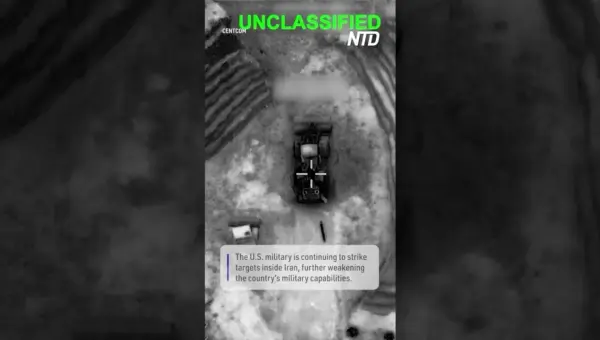
US Strikes Cripple Iran’s Military Might, CENTCOM Reports
U.S. Central Command reports ongoing strikes inside Iran are significantly weakening its military power. This direct action aims to reshape regional security dynamics, but carries risks of escalation. The long-term impact depends on Iran's response and ability to adapt.

U.S. Iran Tensions Rise Amid Shifting Alliances
Rising tensions between the U.S. and Iran are creating a volatile geopolitical situation. With conflicting signals on de-escalation and potential shifts in alliances like NATO and U.S.-Israel relations, the path forward remains uncertain. The global economy and regional stability hang in the balance.