US Seeks Iran War Exit, But Israel’s Role Complicates Peace
The U.S. is reportedly seeking an end to the conflict with Iran, but Israel's continued military actions complicate any potential ceasefire. Policy director Ben Friedman suggests that Iran's negotiating position has strengthened, while the U.S. must pressure Israel to ensure stability and the resumption of oil shipments. A reevaluation of the U.S.-Israel relationship is deemed critical to prevent future escalations.

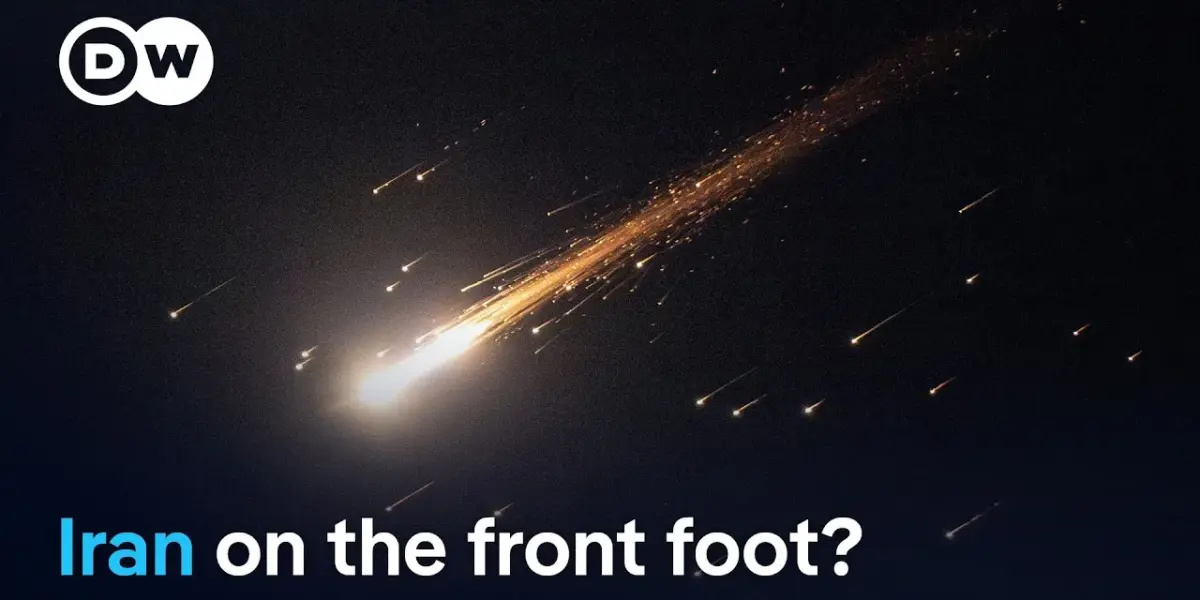
US Pursues Iran Ceasefire Amidst Escalating Conflict
In the wake of escalating tensions and a growing conflict with Iran, the United States appears to be actively seeking an “off-ramp” or a way to end the hostilities. This pursuit comes despite public denials from Iran regarding any formal talks and continued Israeli military actions. Ben Friedman, policy director at Defense Priorities, a think tank focused on a less interventionist U.S. foreign policy, shared his insights on the complex situation.
Trump Administration Hints at Indirect Talks
While President Donald Trump has suggested productive discussions with Iran, Friedman believes these are likely exaggerated “back channel” communications. He noted that these indirect connections may have touched upon conditions for a potential ceasefire. However, Friedman emphasized that no formal agreements have been reached. The Iranians, he explained, feel their position has strengthened due to the war. They believe the global oil and energy situation gives President Trump a strong incentive to find a resolution, allowing Iran to demand more in any potential deal.
Iran’s Strengthened Negotiating Position
Friedman argues that Iran’s standing has improved, even with the damage sustained during the conflict. He pointed out that the war has revealed the limits of U.S. military power. According to Friedman, the idea of regime change in Iran, which he believes was encouraged by Israel, has been proven unrealistic. Iran has demonstrated its resilience, showing that its government can continue to function and manage its economy despite significant attacks. This resilience, Friedman stated, places Iran in a better negotiating position than before the war began.
Israel’s Influence on a Potential Deal
A major hurdle to ending the conflict, according to Friedman, is Israel’s stance. Even if Washington and Tehran were to reach an agreement, there is no guarantee that Israel would abide by it. Without Israel’s commitment to halt its attacks, Friedman suggested, Iran would have little reason to uphold its end of any bargain. He believes the U.S. does not necessarily need a formal deal with Iran on issues like nuclear weapons or missiles, labeling these as “unnecessary propaganda” used to justify the war. The primary U.S. objective, Friedman stated, should be restoring the flow of oil shipments, a problem exacerbated by the conflict.
Pressuring Israel is Key to Ending Hostilities
Friedman proposed that for the war to end, President Trump must actively pressure Israel. This pressure, he argued, needs to go beyond mere rhetoric and could involve actions like withholding aid. Friedman sees controlling Israel’s actions as crucial for resuming oil shipments. He criticized the current approach, stating that the focus on nuclear weapons is misplaced and unlikely to be achieved, as the war has pushed Iran further from such a goal. Instead, he advocates for managing Israel’s involvement to ensure stability.
Why Aren’t All Three Parties Talking?
The absence of trilateral talks involving the U.S., Iran, and Israel is a significant issue. Friedman explained that Israel is more invested in the war than the U.S. He noted that the Trump administration, like the preceding Biden administration regarding the Gaza conflict, has been unwilling to take a firm stance against Israel. This reluctance stems from political considerations, but Friedman stressed that a stronger approach is needed, especially given the current war. He suggested that a president needs to be willing to confront Israel, something he feels has been lacking.
The Strait of Hormuz: A Predictable Flashpoint
Friedman described the situation in the Strait of Hormuz as predictable, criticizing the lack of foresight from U.S. leadership. He stated that the foreign policy and military establishment have long understood Iran’s capability to disrupt shipping in the strait. By pushing Iran into a corner, the U.S. prompted actions that were widely anticipated. Friedman highlighted that attacking oil shipments is Iran’s most effective leverage against the U.S., impacting ordinary Americans. He questioned why President Trump, despite likely being briefed on these risks, chose to ignore them, possibly due to arrogance or poor counsel.
Rethinking the U.S.-Israel Relationship
The lack of discussion about post-war conditions is another indictment of the Trump administration, according to Friedman. He stressed the importance of considering the “what comes next” phase, even in a de facto peace scenario. Friedman believes the U.S. objective with Iran should be modest: to ensure it remains a status quo power that does not disrupt oil shipments. He argued that this goal is achievable but has been made more difficult by the war. Looking ahead, Friedman called for a fundamental reevaluation of the U.S. relationship with Israel. He urged the U.S. to stop being drawn into wars initiated by Israel, where American firepower is used extensively.
Moving Forward: A New Approach Needed
Friedman concluded by expressing hope that the U.S. is beginning to consider how to manage Israel’s role to prevent future conflicts. He characterized the current hostilities as phase three of a larger conflict initiated by Israel. The U.S., he argued, needs to disengage from being led by Israel into these wars. The path forward, Friedman suggested, must involve rethinking the alliance to avoid being dragged into conflicts where the U.S. bears the brunt of the military action.
Source: Are the US and Israel actively seeking an off-ramp for the Iran war? | DW News (YouTube)

Related Articles

Advisors Shield Trump From War Truths, Fueling Danger
President Trump is reportedly being fed a diet of manipulated information regarding the war with Iran. Advisors allegedly curate video updates to show only U.S. successes, while downplaying or hiding setbacks. This deliberate 'cocoon of ignorance' prevents Trump from seeing the full picture, leading to potentially dangerous decisions and a distorted view of reality.

Iran Conflict: US Made Costly Mistakes, Expert Warns
War game expert Finley Grimble argues the US made significant strategic errors in its approach to Iran, underestimating its retaliation capabilities and the difficulty of controlling the Strait of Hormuz. He suggests declaring victory and withdrawing is the best path forward, rather than getting bogged down in a costly conflict.


US War Funding Faces Congress, Iran Conflict Looms
The Pentagon's request for $200 billion for operations against Iran faces significant opposition in Congress, driven by election year concerns and the war's economic impact on Americans. Diplomatic efforts are indirect, and public support remains low, raising questions about the conflict's sustainability and strategic direction.