US Secures Hostage Release, Signals Tough Stance
The release of American Dennis Coyle from Taliban captivity highlights the U.S. commitment to bringing citizens home. The strategy involved family advocacy, direct presidential engagement, and diplomatic pressure, signaling a tough stance against hostage-taking by hostile governments and groups.

US Secures Hostage Release, Signals Tough Stance
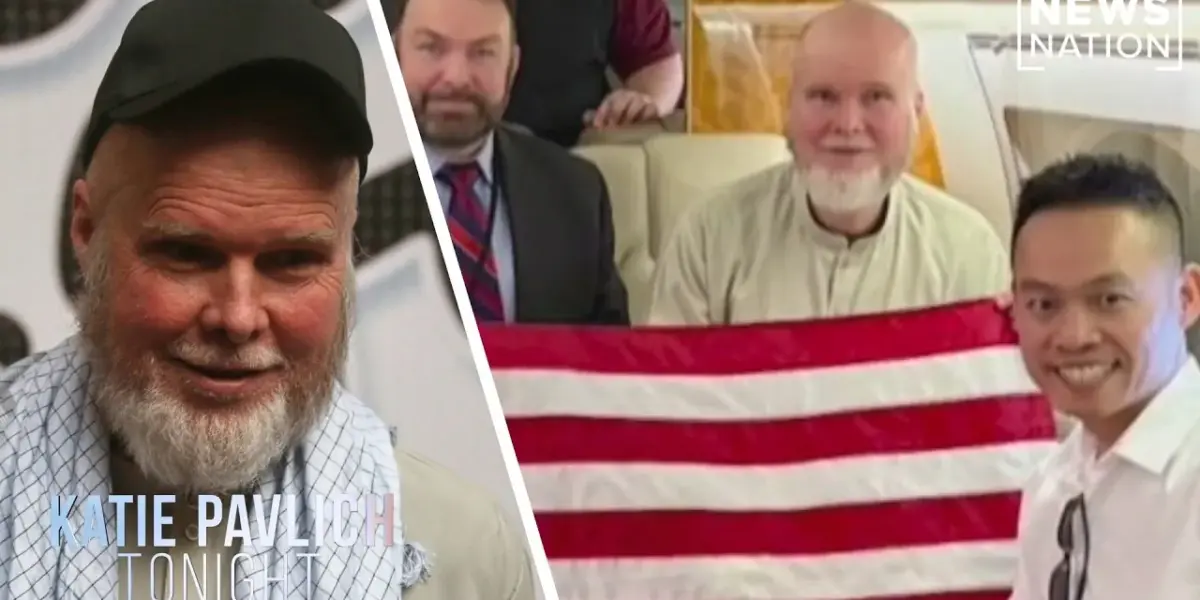
The recent release of American Dennis Coyle from Taliban captivity after 421 days highlights a complex interplay of diplomacy, family advocacy, and a firm U.S. policy. Coyle’s return to the United States marks a significant moment for his family and underscores the ongoing efforts to bring home Americans held abroad. The case also brings attention to the broader issue of Americans held hostage by hostile governments and groups.
Family Advocacy Drives Coyle’s Release
Dennis Coyle’s family played a crucial role in his release. His mother and sisters repeatedly brought his case to the attention of lawmakers, including Congressman Scott Perry. They visited congressional offices, sharing Coyle’s story and advocating for his return. This persistent effort, as described by Perry, was instrumental in bringing Coyle home. The family expressed overwhelming gratitude for Coyle’s safe return, calling the past 421 days the most challenging of their lives. Coyle himself shared his relief and thankfulness upon returning to the U.S., stating, “I’m very, very blessed to be American.”
Trump Administration’s Approach to Hostage Diplomacy
The Trump administration’s strategy for securing the release of Americans held captive is described as direct and efficient. Roger Carstens, former Special Presidential Envoy for Hostage Affairs, noted that the administration’s approach involved less deliberation, recognizing that time is critical in such sensitive situations. Carstens emphasized that these efforts are always a “team sport,” involving various government agencies, including the President, National Security Council, and State Department, as well as members of Congress and, crucially, the families themselves.
Carstens highlighted the importance of public awareness, praising media outlets like Fox News for raising awareness of Coyle’s case and keeping it in the public eye. He also pointed to the role of international partners in negotiating releases. The administration’s approach aimed to exert pressure on captors, signaling that the U.S. would actively work to bring its citizens home. This strategy was seen as effective in Coyle’s case, with the family crediting President Trump and his administration for their efforts.
Broader Efforts for Hostage Recovery
While Coyle’s release is a victory, the U.S. government continues to work on behalf of other Americans still held captive or whose remains have not been returned. Congressman Perry mentioned the release of other Americans in the past year, noting that public awareness can sometimes create fear among captors, pushing them to release hostages. He also brought up the case of Kayla Mueller, an American citizen from Arizona who was killed while held hostage by ISIS. Her body has not yet been returned to her family, and Perry mentioned ongoing conversations with Syrian officials to recover her remains.
The U.S. government is committed to going to great lengths to recover its citizens, whether alive or deceased. This commitment reflects a broader national value of not leaving Americans behind. The efforts involve diplomatic channels, intelligence gathering, and, at times, direct negotiations with hostile regimes or groups.
Economic and Diplomatic Pressure
Recent actions by the U.S. Secretary of State and National Security Advisor have included designating two countries for using Americans as political pawns. This designation carries significant weight and signals a tougher stance against nations that engage in such practices. While the Taliban may frame Coyle’s release as a humanitarian gesture during Eid al-Fitr, other factors may have influenced their decision.
The U.S. is involved in complex geopolitical situations, including ongoing efforts against groups like ISIS and its involvement in regional conflicts. The U.S. stance in the Pakistan-Afghanistan region, acknowledging Pakistan’s right to self-defense, could have also played a role. These broader geopolitical dynamics might have led the Taliban to conclude that releasing Coyle was a prudent decision. The hope is that these tough measures will encourage the Taliban to release other Americans still held captive, such as Wesle T. H. who has been missing since August 2022, Paul W. who has been missing since 2014, and Peter W. Jackson, still in Taliban custody.
Global Impact
The successful release of Dennis Coyle sends a clear message: the United States is committed to securing the return of its citizens held captive. This approach, combining direct presidential engagement, persistent family advocacy, and strategic diplomatic pressure, aims to deter future hostage-taking. The U.S. designation of countries using individuals as political pawns further signals a willingness to confront nations that violate international norms. This assertive posture could influence the behavior of state and non-state actors globally, potentially leading to the release of other detained Americans and discouraging future detentions. The ongoing efforts to recover the remains of fallen citizens like Kayla Mueller also underscore a commitment to providing closure for families, regardless of the time elapsed or the complexity of the situation.
Historical Context
The practice of using hostages for political leverage is an old one, but the modern approach to hostage diplomacy has evolved significantly. During the Cold War, the U.S. often engaged in prisoner exchanges, but the rise of non-state actors and complex geopolitical conflicts has necessitated new strategies. The appointment of a Special Presidential Envoy for Hostage Affairs reflects a formalization of these efforts, recognizing the unique challenges involved. The emphasis on a “team sport” approach, involving multiple government agencies, international partners, and families, is a testament to the multifaceted nature of these negotiations. The historical precedent of Americans being held captive, from the Iran hostage crisis to more recent cases, informs the current administration’s resolve to prioritize the safe return of its citizens.
Future Scenarios
Several future scenarios could emerge from these developments. The Taliban, facing international scrutiny and potential diplomatic or economic pressure, might be inclined to release other detained Americans to improve their standing. Conversely, if the U.S. approach is perceived as weak or if other geopolitical priorities take precedence, captors might become emboldened. The effectiveness of sanctions and designations will be crucial in shaping future outcomes. A continued, coordinated effort involving all stakeholders—government, families, and international allies—offers the most promising path toward bringing all Americans home safely.
Source: Panel reacts to Dennis Coyle's release from Taliban captivity | Katie Pavlich Tonight (YouTube)

Related Articles

G7 Allies Clash Over Iran War Strategy, Urge Focus on Russia
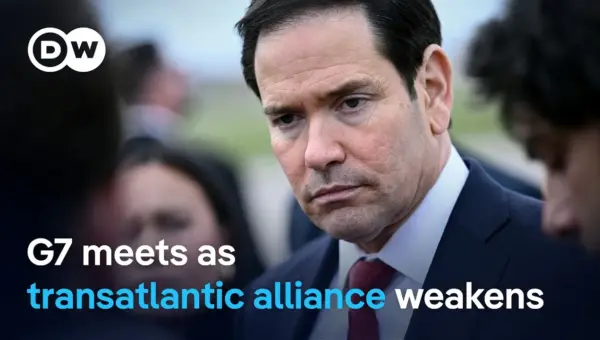
G7 foreign ministers met in Paris, revealing deep divisions over the U.S. war with Iran. European allies urged the U.S. to pressure Russia, linking its actions to the conflict and fearing support for Ukraine will wane.


Iran Blocks China Ships, Exposing Beijing’s Weak Grip
Iran's recent decision to block Chinese ships at the Strait of Hormuz is exposing the limits of Beijing's influence in the Middle East. This action is causing delays and cancellations for Chinese manufacturers, turning a perceived geopolitical win into an economic strain.
Trump’s “Walk Away” Tactic Signals Tougher Stance on China
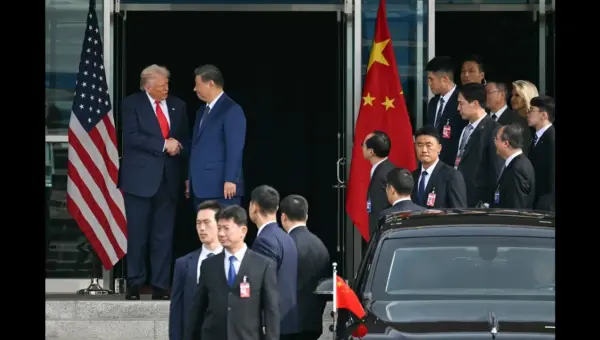
Retired Air Force Brigadier General David Stillwell believes President Trump's strategy of being willing to walk away from negotiations puts pressure on China. This tactic, combined with US global actions and strengthened alliances, signals a more assertive American foreign policy.