US Secures Hostage Release, Shifts Focus to Afghan Stability
An American citizen, Dennis Coyle, has been released from Taliban captivity and returned to the U.S. following diplomatic efforts. The release highlights the U.S. commitment to its citizens abroad and the complex relationship with Afghanistan's current rulers.


US Secures Hostage Release, Shifts Focus to Afghan Stability
American Held by Taliban Returns Home After Diplomatic Push
An American citizen, Dennis Coyle, has been released from captivity in Afghanistan and is returning to the United States. This development marks a significant diplomatic success for the U.S. government, highlighting its commitment to securing the return of its citizens held abroad. The release was facilitated by the U.S. Special Envoy for Hostage Response, Adam Bowler, who was on the plane with Mr. Coyle. The operation underscores the ongoing efforts by the Biden administration to address hostage situations and bring Americans home.
Mr. Coyle expressed profound gratitude for his release, acknowledging the efforts of many individuals and the U.S. government. He specifically mentioned the impact of videos made by his sister, which he saw for the first time upon his return. These videos, intended to draw attention to his plight, deeply touched him. Mr. Coyle also extended thanks to the media network for publicizing his case, stating that such attention was crucial for his eventual freedom.
Family’s Role and Presidential Support
The bravery and persistent advocacy of Mr. Coyle’s family played a critical role in securing his release. Their determination to raise awareness and exert pressure was noted as being moving even to the President of the United States. The family’s unwavering support and efforts were a key factor in the government’s engagement with the Taliban to negotiate Mr. Coyle’s freedom. This highlights the significant role families of hostages can play in diplomatic processes.
Mr. Coyle shared his anxieties during his captivity, particularly concerning the pressure his family might have faced. He expressed a strong desire to reunite with them and return to his life in Texas. He humorously noted that after being away for over a year and two months, he would need at least two and a half years to catch up with his family. A recent phone call with his mother was described as a priceless moment, underscoring the emotional weight of his return.
Motivations for Travel to Afghanistan
When asked about his reasons for traveling to Afghanistan, a place he described as dangerous, Mr. Coyle offered a thoughtful perspective. He explained that while he cannot provide a full answer due to various reasons, his actions were driven by a desire to connect with people. He observed that many Afghans are simply trying to survive daily, doing their best in difficult circumstances. He did not see them as inherently evil but as people striving to live.
Mr. Coyle suggested that his presence might have offered some encouragement to the local population. He stated his pride in being an American and referenced a proverb about giving someone a chance, implying a belief in human dignity and opportunity. He also expressed a deep affection for the Afghan people, stating that much of his life over the past 20 years has been invested there. He conveyed no regrets about his experiences, finding value even in challenging moments.
Broader Geopolitical Context and Future Implications
The release of Dennis Coyle occurs against a backdrop of complex U.S.-Taliban relations and the ongoing U.S. efforts to ensure regional stability. While the Taliban’s interim government has sought international recognition and aid, its rule has been marked by human rights concerns and economic challenges. The U.S. has maintained a policy of not formally recognizing the Taliban government but has engaged in pragmatic diplomacy on issues such as counter-terrorism and humanitarian aid, as well as hostage recovery.
The U.S. government’s sustained focus on retrieving its citizens underscores a commitment that transcends political administrations. The role of the Special Envoy for Hostage Response signifies a dedicated approach to resolving these sensitive cases. The successful negotiation for Mr. Coyle’s release could set a precedent for future diplomatic engagements with Afghanistan, particularly concerning U.S. nationals or interests within the country.
Global Impact: A Test of Diplomatic Engagement
This event demonstrates that even in challenging geopolitical environments, diplomatic channels can yield positive results. It reinforces the U.S. strategy of engaging with actors like the Taliban on specific issues, without necessarily normalizing broader relations. For Afghanistan, such releases can be seen as a step towards re-engagement with the international community, potentially leading to increased humanitarian assistance and economic support. However, the Taliban’s adherence to international norms and human rights standards will remain a critical factor influencing future interactions.
The successful resolution of this case also sends a message to other nations and groups holding American citizens. It signals that the U.S. government will actively pursue the safe return of its people. The involvement of family members, diplomatic envoys, and media attention collectively forms a powerful mechanism for securing releases. This case highlights the intricate interplay of diplomacy, family advocacy, and public awareness in resolving hostage situations in volatile regions.
Source: Dennis Coyle on his newfound freedom, Taliban detention | CUOMO (YouTube)

Related Articles

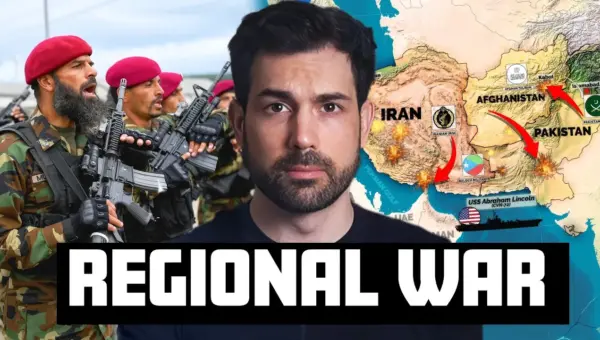
Iran War Ignites Regional Crisis: Pakistan Pulled In
The ongoing war in Iran is igniting a wider regional crisis, pulling Pakistan into escalating border conflicts with Baloch separatists and the resurgent Pakistani Taliban. Missile strikes, protests, and a refugee crisis are destabilizing the region, with significant implications for global energy markets and nuclear security.


Taliban Free American Hostage, Shifting Regional Dynamics
The Taliban has released American hostage Dennis Coyle, marking a significant moment amidst complex regional geopolitics. The move may signal a strategic effort by the Taliban to improve its international standing and potentially ease sanctions, while highlighting the ongoing US commitment to securing its citizens abroad.

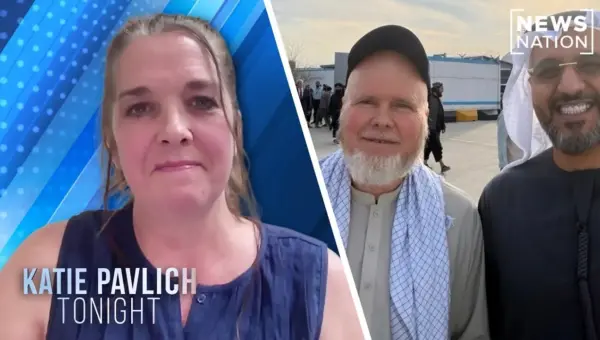
US Secures Hostage Release Amid Shifting Global Alliances
American citizen Dennis Coyle has been reunited with his family after 421 days in Taliban captivity. The emotional homecoming highlights international cooperation, with the UAE and Qatar playing key roles in his release. This event underscores evolving hostage diplomacy strategies and the U.S. commitment to bringing citizens home.