US Secretly Arm-Twists Iran with Starlink & Military Might
The US is reportedly covertly supplying Iran with thousands of Starlink terminals to aid protesters, while simultaneously deploying a significant military force to the Middle East. This dual strategy unfolds against a backdrop of stalled diplomacy and escalating regional tensions, raising questions about the path forward.

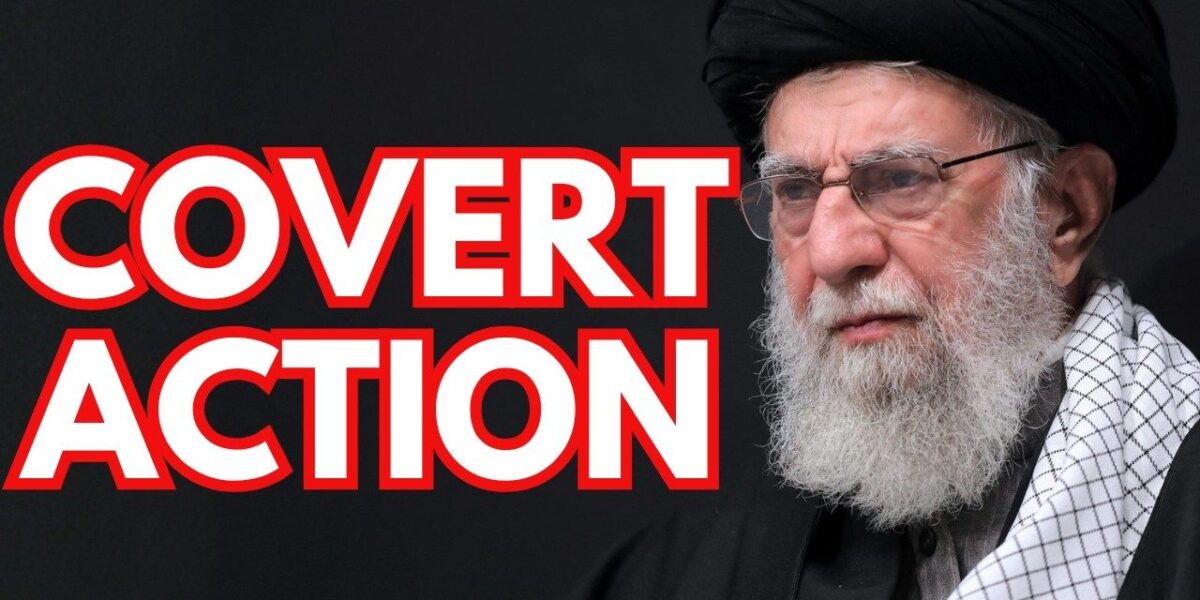
US Secretly Arm-Twists Iran with Starlink & Military Might
In a significant escalation of covert operations and public posturing, the United States has reportedly engaged in a clandestine mission to supply thousands of Starlink satellite internet terminals to Iran, coinciding with a substantial military buildup in the Middle East. This dual strategy, aimed at empowering Iranian protesters and deterring the Tehran regime, paints a complex picture of American foreign policy in a volatile region. The reporting, primarily from the Wall Street Journal, suggests a deliberate effort by the Trump administration to circumvent Iran’s internet shutdowns and allow dissidents to share their stories of repression.
Starlink: A Digital Lifeline for Dissidents
The core of this covert operation involves the reported smuggling of approximately 6,000 Starlink terminals into Iran. This move, described as a first for direct US intervention of this nature in Iran, was reportedly initiated after the regime’s violent crackdown on demonstrations and its subsequent stifling of internet access. The State Department is said to have purchased nearly 7,000 terminals, with a significant portion acquired in January to aid anti-regime activists. Funds for these purchases were allegedly diverted from other internet freedom initiatives, indicating a prioritization of this specific tool. While President Trump was reportedly aware of the deliveries, the extent of his direct approval remains unclear.
This initiative represents a potentially powerful tool for the Iranian people, offering a means to bypass state-controlled media and communicate with the outside world. In an era where information control is a key tactic of authoritarian regimes, providing access to uncensored internet can be a potent force for change. The act itself, regardless of political alignment, is framed as a positive step by proponents, enabling citizens to document and disseminate information about the brutality they face.
A Familiar Dance of Diplomacy and Delay
Parallel to these covert actions, the broader geopolitical landscape surrounding Iran reveals a familiar, and perhaps frustrating, pattern of negotiations. Recent interactions between US special envoys Steve Witoff and Jared Kushner and the Iranian foreign minister in Oman, initially described as productive by President Trump, quickly devolved into predictable posturing. Iran’s swift assertion that its missile program and regional proxy support were non-negotiable, followed by a partial retraction, is seen by many analysts as a classic stalling tactic. This mirrors past diplomatic encounters where Iran has sought to compartmentalize issues, prioritizing its nuclear program while deflecting discussions on its destabilizing activities.
The demands from the United States, while not explicitly calling for regime change, have largely focused on capping or ending Iran’s nuclear and ballistic missile programs, curbing its support for regional proxies, and ensuring no punishment for protesters. The lack of Iranian willingness to engage on these fronts, coupled with reports of expanded crackdowns on individuals, including medical professionals treating injured protesters, suggests a deep-seated resistance to genuine concessions. The assessment is that Iran has little good faith intention of reaching a substantive agreement, instead opting for prolonged negotiations to buy time.
The Burden on Special Envoys
A significant point of concern raised is the dual responsibility placed upon special envoy Steve Witoff. Managing both the complex Iran nuclear issue and the monumental task of mediating an end to the war in Ukraine, the largest land war in Europe since World War II, is viewed as a detriment to US national security interests. The argument is that dedicating sufficient resources and focused attention to each of these critical geopolitical challenges requires more than one individual can provide, especially when these issues are paramount for the nations involved.
Military Buildup: Deterrence or Precursor to Conflict?
Adding another layer to the escalating tensions is the visible military buildup in the Middle East. The deployment of a second carrier strike group, including the USS Gerald R. Ford and the USS Abraham Lincoln, along with accompanying warships and a significant contingent of tactical aircraft, signals a clear message to Iran. These deployments, while not unprecedented, especially in the aftermath of events like the October 7th attacks, are interpreted by some as a potential precursor to military action, or at least a significant increase in deterrence capabilities. The strategic placement of these assets allows for a rapid response, with projections suggesting arrival in the region within days.
The presence of F-35 stealth fighters, FA-18 Super Hornets, and EA18 Growlers, alongside F-15E Strike Eagles and A-10 Thunderbolt close support jets, indicates a comprehensive air and naval readiness. While strategic bombers like the B-52s and B-2s have not been publicly moved into the immediate theater, their potential deployment from distant bases remains a credible threat, as demonstrated in past operations.
The Specter of War: Betting on Conflict
In a peculiar and perhaps unsettling development, the emergence of platforms like Poly Market allows individuals to bet on the timing of potential US military strikes against Iran. The sheer volume of wagers, including a reported $100,000 bet on a strike by the end of a specific day, has fueled speculation about insider knowledge. While such bets did not materialize into immediate conflict, they highlight a public fascination and perhaps a growing expectation of military engagement. The current odds on Poly Market suggest a general public sentiment that a strike is unlikely before June 30th.
The odds on US or Israeli strikes are notably higher, underscoring the persistent concern from Israel regarding Iran’s nuclear ambitions and regional activities. Prime Minister Benjamin Netanyahu’s frequent visits to Washington and his discussions with President Trump reflect Israel’s deep-seated anxieties. Netanyahu has expressed general skepticism about the quality of any potential agreement with Iran, emphasizing that any deal must address not only the nuclear issue but also ballistic missiles and proxies. There is a discernible concern in Israel that a transactional US administration might pursue a limited agreement, potentially focusing solely on the nuclear program while overlooking other critical threats.
Why This Matters
The confluence of covert digital support, diplomatic stonewalling, and military posturing creates a volatile environment. The secret provision of Starlink terminals is a bold, albeit potentially risky, move that could empower the Iranian populace and offer a critical counter-narrative to state propaganda. However, it also carries the risk of further inflaming tensions and providing the regime with a new pretext for repression. The ongoing diplomatic stalemate, characterized by Iranian stalling tactics, suggests that a peaceful resolution remains elusive. The significant military buildup, while serving as a deterrent, also raises the specter of conflict, with the potential for miscalculation or escalation being ever-present. The existence of platforms where the public can bet on military action, however speculative, reflects a concerning normalization of the idea of war.
Implications and Future Outlook
The current situation suggests a period of heightened risk. The US appears to be employing a strategy of pressure through both covert means and overt military presence. The effectiveness of the Starlink initiative will depend on Iran’s ability to intercept or block the technology and the willingness of citizens to utilize it despite the inherent risks. Diplomatic progress seems unlikely in the short term, given the entrenched positions of both sides and Iran’s historical negotiation tactics. The military deployments, while providing leverage, also increase the potential for unintended escalation. The upcoming months will be critical in determining whether this strategy leads to a de-escalation, a negotiated settlement, or a dangerous military confrontation. The transactional nature of foreign policy under the current US administration adds another layer of unpredictability, as the desire to secure a deal, even a limited one, could lead to concessions that embolden Iran.
Historical Context
The US-Iran relationship has been fraught with tension since the 1979 Islamic Revolution. Decades of diplomatic estrangement, proxy conflicts, and nuclear brinkmanship have characterized the dynamic. Past US administrations have grappled with the Iran nuclear issue, attempting various diplomatic and sanction-based approaches, with limited long-term success. The current strategy of covert digital support combined with military pressure can be seen as an evolution of these past efforts, attempting to leverage new technologies and a more assertive stance to achieve strategic objectives in a region that has long been a focal point of international concern.
Source: Secret US Mission Helped Iranian Protesters (YouTube)

Related Articles

Europe Faces Post-Cold War Order Collapse After Munich Security Summit
Western leaders at the Munich Security Conference acknowledged the end of the post-Cold War security order, raising concerns for Europe's future. Ukrainian President Zelenskyy urged continued support against territorial concessions, while transatlantic tensions underscored the shifting geopolitical landscape.


Iran’s Unexplained Blasts Signal Impending US Strike
Unexplained explosions across Iran coincide with a massive U.S. military deployment, raising alarms about an imminent, large-scale conflict. The surge in air power and naval assets suggests a significant escalation in U.S. readiness for war.

China’s Island Gambit Threatens US Security, Exposing Global Deception
China's strategic expansion across Pacific islands and alleged disinformation campaigns pose significant threats to U.S. national security. From the potential compromise of Diego Garcia to manufactured narratives surrounding military purges, Beijing's global ambitions are increasingly apparent.