US Scrambles to Rescue Airman Shot Down Over Iran
The U.S. military is engaged in a critical search and rescue mission in Iran to find an airman whose F-15 jet was reportedly shot down. The operation faces significant challenges, including Iranian fire on U.S. aircraft and a bounty placed on the missing service member. The conflict is also contributing to rising oil prices and economic strain at home.

U.S. Military in High-Stakes Rescue Mission in Iran
The U.S. military is in a dangerous race against time to find an American airman after his F-15 fighter jet was apparently shot down by Iran. A second airman from the same aircraft has been rescued and is receiving medical care outside the country. This incident marks the first time a manned U.S. aircraft has been downed behind enemy lines during the current conflict.
Iran’s Role and Conflicting Reports
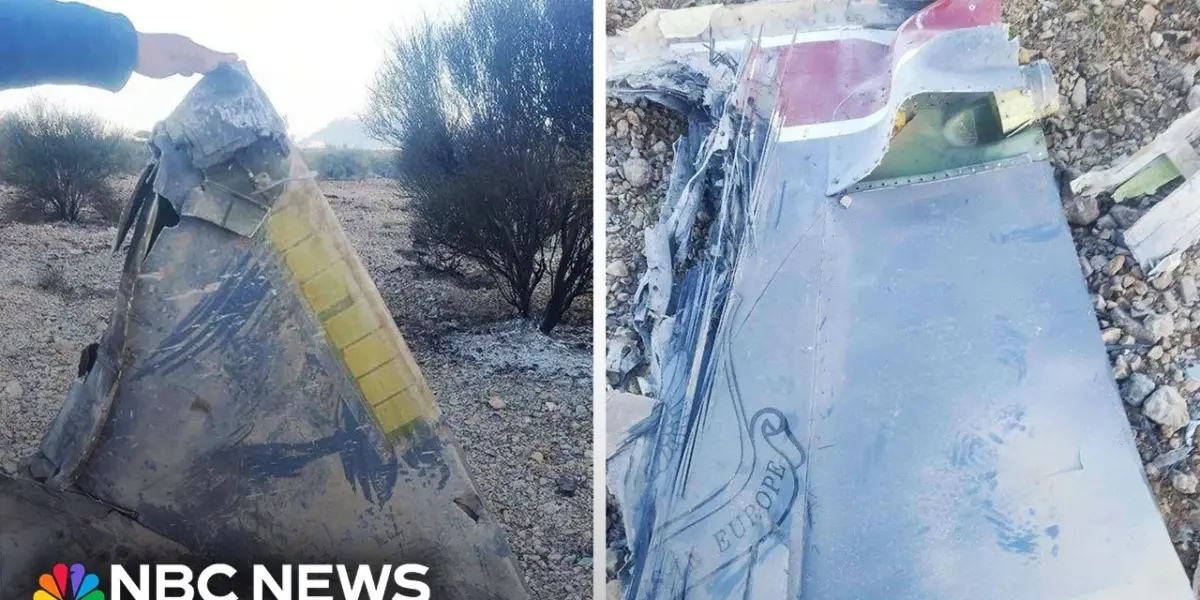
Iranian state television has released photos it claims show the wreckage of the American fighter jet. Weapons experts have confirmed to NBC News that the images appear to be of an F-15. The situation grew more complex when U.S. officials reported that three aircraft involved in the search and rescue effort were also hit by Iranian fire. An A-10 Warthog pilot managed to eject safely in Kuwaiti airspace after his plane was struck.
Videos circulating appear to show Iranians firing at U.S. helicopters during the rescue operations. Two Blackhawk helicopters were reportedly targeted, resulting in minor injuries to U.S. service members on board. This comes just two days after President Trump stated that Iran lacked anti-aircraft equipment, a claim now directly contradicted by these events.
Bounty and Training for Survival
Adding a disturbing layer to the search, an Iranian state TV anchor announced a bounty on the missing airman’s head. The reward, roughly $60,000, is offered for capturing enemy pilots alive and handing them over to the police. Meanwhile, the missing airman is trained in an intensive program designed to help airmen survive behind enemy lines, a skill he is now critically relying on.
Four other manned U.S. aircraft have been lost since the conflict began, though these were due to friendly fire or a refueling plane crash, not enemy action. The F-15, a staple of the U.S. military, has been heavily used in Iran, placing it at the center of this critical turning point in the war.
White House Response and Broader Tensions
President Trump, while monitoring the rescue operation, declined to discuss specific details, expressing concern that public coverage could endanger the missing airman. He posted on social media, asking, “Keep the oil, anyone?” This statement comes as Iran reportedly rejected a U.S. proposal for a 48-hour ceasefire. The President indicated that these escalating events would not affect ongoing negotiations with Iran, stating simply, “It’s war.”
Economic Impact: The Summer of Surcharges
The conflict in Iran is having a noticeable effect on the U.S. economy, potentially leading to a “summer of surcharges” due to rising oil prices. Gas prices have reached a new high since the war began, hitting $4.09 a gallon as U.S. crude oil surged to $111 a barrel. Consumers are feeling the pinch, with one person calling the prices “outrageous” and a burden on their wallets.
The ripple effects are spreading throughout the economy. Major companies like Amazon, UPS, FedEx, and the U.S. Postal Service have announced shipping surcharges. Amazon is implementing a 3.5% surcharge for independent sellers, citing elevated fuel and logistics costs. Airlines are also grappling with rising jet fuel prices, leading to increased ticket costs, and airlines like United and JetBlue are raising baggage fees.
With diesel prices nearing all-time highs, grocery prices are also climbing. Experts predict that higher costs will soon be evident in almost everything consumers buy, impacting food prices and other goods due to increased fertilizer and transportation expenses. There are growing concerns that these price increases, triggered by a conflict far away, could have lasting effects, as prices often rise significantly and are very slow to decrease, if they ever do.
Looking Ahead
As the U.S. military continues its urgent search for the missing airman under challenging conditions, the international community watches closely. The economic consequences are already being felt at home, highlighting the interconnectedness of global events and daily life. Future developments will likely focus on the success of the rescue mission, Iran’s continued actions, and the sustained impact on global oil prices and the broader economy.
Source: Race against time to find U.S. airman after jet shot down in Iran; Americans feel cost of war (YouTube)

Related Articles

Iran Escalates: Jets Downed, Peace Talks Collapse
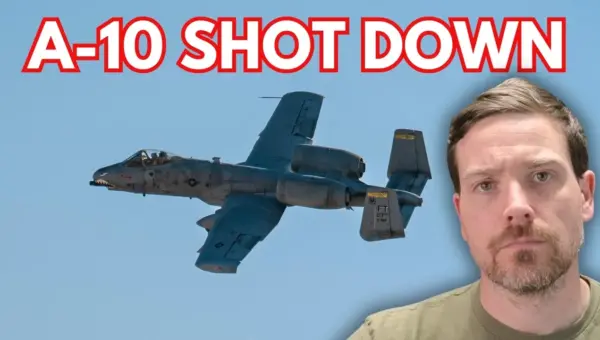
Two US jets were shot down by Iran as peace talks collapsed, pushing the conflict into a dangerous new phase. The loss of aircraft and failure of diplomacy signal a potential shift in military strategy, with harsher actions possibly on the horizon.


US Jets Downed in Iran; Rescue Mission Faces Iranian Fire
An American F-15 fighter jet has been shot down over Iran, triggering a risky search and rescue mission that has already faced Iranian fire. A second U.S. aircraft also went down, though its pilot was rescued. The incidents escalate a conflict that has drawn criticism for potentially underestimating Iranian capabilities and leaving allies concerned.


Iran Rejects Ceasefire: US Military Claims Unravel
Iran has reportedly rejected a U.S. ceasefire proposal, directly contradicting White House claims of military success. Amidst aircraft losses and a significant shake-up in Pentagon leadership, conflicting narratives are emerging. Public approval for the war is plummeting, raising questions about the administration's strategy and transparency.