US Sanctions Easing on Russia Sparks Ukraine Concerns
The US decision to temporarily suspend sanctions on Russian energy exports has sparked debate, with experts questioning the motivations behind the move. Amidst the Middle East conflict, concerns are rising about the impact on Ukraine's defense capabilities and the reliability of US security guarantees.

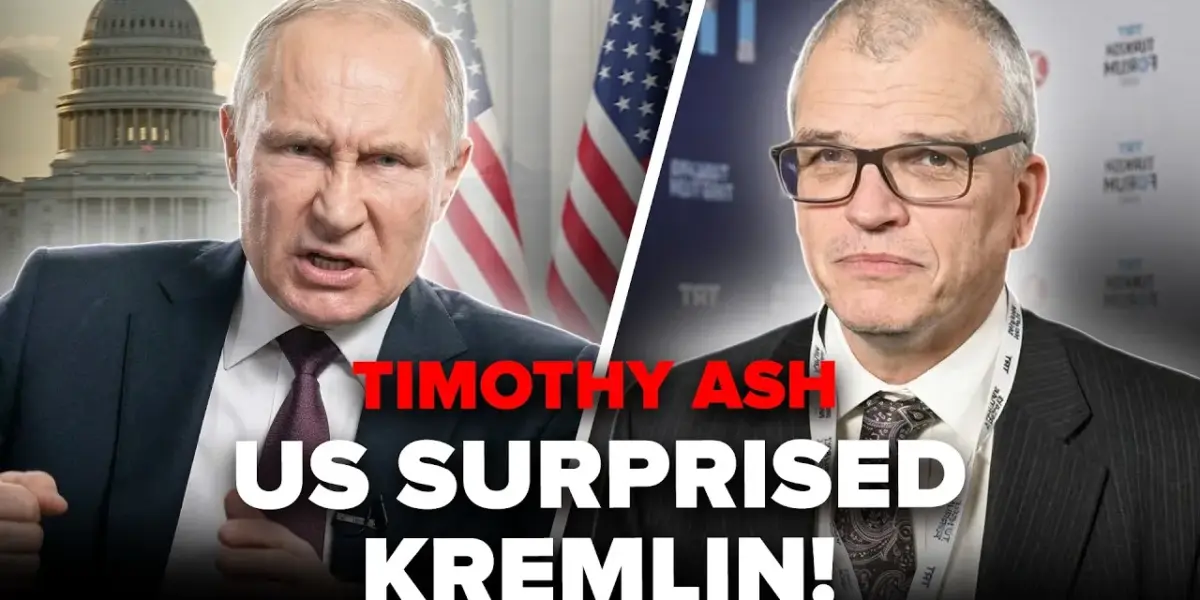
US Eases Sanctions on Russian Energy Amid Middle East Conflict
In a move that has sent ripples of concern through international policy circles, the United States has announced a temporary suspension of sanctions on Russian energy exports transported by sea. This decision, reportedly for a one-month period, comes amidst the escalating conflict in the Middle East and has led to significant debate about its motivations and potential implications for Ukraine and global security.
Economic or Political Signal? Experts Weigh In
British economist Timothy Ash, an associate fellow at Chatham House’s Russia and Eurasian Program, offered a critical perspective on the decision. “You have to question Trump’s motivations,” Ash stated, suggesting that the move could be a political signal to Moscow. He noted that former President Trump has “always appeared as been very amenable of President Putin” and that there seems to be a desire from certain figures within the administration to “get back to business as normal with the US and people to make a lot of money.” Ash believes that Ukraine has unfortunately been a low priority in this agenda, which appears to be aimed at “bring[ing] Russia back from the cold.”
“Unfortunately it looks like, you know, this is part of an agenda basically to do precisely that, right? To bring Russia back from the cold? Uh Trump has other priorities and Ukraine is not a priority.”
Timothy Ash
Middle East War’s Impact on Russia and Ukraine
The unfolding crisis in the Middle East presents a complex landscape for Russia. While the immediate effect of the conflict could provide short-term benefits through higher oil exports and revenues, Ash cautioned about the longer-term risks. “If this is a globally systemic event, probably we will see demand destruction, so probably we will see global growth slow and ultimately the end game could be a bit like COVID that ultimately it causes lower global growth, lower global demand for oil and commodities,” he explained. This could potentially lead to lower oil prices in the future, a negative outcome for Russia.
Politically, the situation is seen as a win for Vladimir Putin, with the US appearing to “moderate sanctions.” However, the duration and eventual resolution of the Middle East conflict remain uncertain, leaving open the possibility of sanctions being reimposed.
Russia’s Economic Resilience Under Sanctions
Despite Western sanctions, the Russian economy has shown a degree of durability, partly due to accumulated reserves and prior deleveraging by the Kremlin. Ash acknowledged that while buffers are being worn down and sanctions are making things more difficult, Russia’s autocratic regime can divert resources to defense and use repression to mitigate social unrest. “Unless we’re willing to tighten sanctions much more aggressively, then I think Russia has the ability to to endure this war quite a long time,” he remarked.
However, the economic situation is not uniform. While the military-industrial complex is thriving, other sectors like construction are in deep decline, creating a “two-speed economy.” Ordinary Russians are reportedly feeling the impact, with high inflation and interest rates.
Europe’s Shifting Energy Landscape
The European Union has been actively working to reduce its dependence on Russian energy, aiming to end all purchases by the end of the following year. Ash noted that Europe has made progress in reducing energy intensity and increasing renewables. While alternative sources like Norway, Canada, and the US exist, the duration of the Middle East conflict and its impact on global supply chains and growth could influence future energy decisions. There is a concern that rising energy prices, exacerbated by the Middle East war, could pressure some European nations, like Hungary under Viktor Orbán, to call for the lifting of sanctions.
Patriot Missiles Shortage and Ukraine’s Defense Capabilities
A significant concern raised is the impact of the Middle East conflict on the availability of crucial military hardware for Ukraine. Reports indicate a shortage of Patriot missiles, which Ukraine desperately needs for its defense against Russian air strikes. Ash described the situation as “absolutely perverse,” noting that the US, while complaining about not having enough munitions to spare for Ukraine due to threats in Asia, has now used a significant amount of its air defense systems and missiles in the Middle East conflict it initiated.
Ukraine’s expertise in drone defense, particularly against Shahed drones, has become a valuable asset. Gulf states have reportedly reached out to Ukraine for assistance, leading to speculation that this could be a bargaining chip for Ukraine to secure more Patriot missile systems from the US. However, Ash expressed skepticism about the leverage Ukraine holds and highlighted the US administration’s apparent lack of preparedness, learning little from the ongoing war in Ukraine.
Russia’s Alleged Role in Middle East Conflict and Future of Ukraine War
Intelligence suggests that Moscow may be assisting Iran with strikes against US forces by sharing intelligence and tactical support. Ash found this “extraordinary,” especially in light of the US decision to ease sanctions on Russia. He questioned the motivations behind the Trump administration’s actions, suggesting a potential “great plan” to normalize relations with Russia, even at the risk of American soldiers’ lives.
The war in the Middle East is predicted to prolong the war in Ukraine. Russia may perceive itself as being in a stronger position due to robust energy exports and a more stable budget. This could diminish the likelihood of a sustainable peace deal for Ukraine.
Trust in US Security Guarantees Questioned
The expert raised serious doubts about the reliability of US security guarantees for Ukraine, particularly in light of the recent decisions and actions. “The US and Trump in particular is not very trustworthy not very predictable,” Ash stated. He pointed to the precedent of the US bombing Iran during negotiations and the potential for the US to prioritize other geopolitical interests, such as defending Israel or countering China, over Ukraine’s security.
The situation with Patriot missiles, where the US reportedly refused to provide additional systems to Gulf states citing their own defense needs, further undermines trust. Ash advised Ukraine to be cautious about agreeing to any deal that involves territorial concessions for what he described as “very weak security guarantees from the US.”
Europe’s Role and Ukraine’s Self-Reliance
When asked about Ukraine relying more on European security guarantees, particularly from the UK and France, Ash expressed doubt. He concluded that “the best security guarantee is their own defense.” This involves building Ukraine’s autonomous defense capabilities and securing maximum munitions and financial support from Europe. While Europe is committed, Ash noted its limitations in terms of ground troops and suggested potential contributions in air defense and fighter jets.
Ultimately, Ash emphasized that Ukraine’s own determination, skill, and bravery in defending itself have been its strongest assets, and this self-reliance will likely remain its most crucial defense mechanism.
Source: 😱Trump decided to appease Putin! US shocked everyone with a decision regarding Ukraine (YouTube)

Related Articles

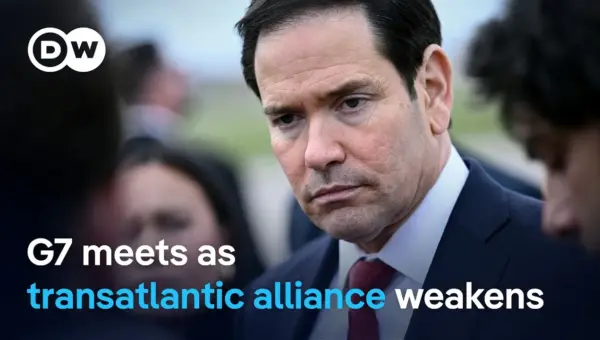
G7 Allies Clash Over Iran War Strategy, Urge Focus on Russia
G7 foreign ministers met in Paris, revealing deep divisions over the U.S. war with Iran. European allies urged the U.S. to pressure Russia, linking its actions to the conflict and fearing support for Ukraine will wane.
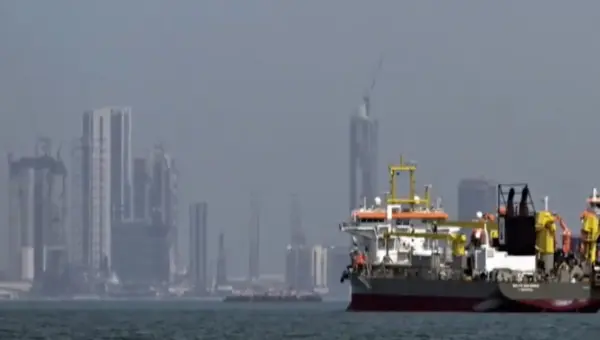
Iran Blocks China Ships, Exposing Beijing’s Weak Grip
Iran's recent decision to block Chinese ships at the Strait of Hormuz is exposing the limits of Beijing's influence in the Middle East. This action is causing delays and cancellations for Chinese manufacturers, turning a perceived geopolitical win into an economic strain.
Trump’s “Walk Away” Tactic Signals Tougher Stance on China
Retired Air Force Brigadier General David Stillwell believes President Trump's strategy of being willing to walk away from negotiations puts pressure on China. This tactic, combined with US global actions and strengthened alliances, signals a more assertive American foreign policy.