US Rescues Pilot, Iran Strikes Oil Sites Amid Tensions
The U.S. military successfully rescued a downed pilot from Iran, while Iran retaliated by striking energy sites in Bahrain and Kuwait. A looming April 6th deadline for reopening the Strait of Hormuz adds to the escalating regional tensions and fears of a European energy crisis.

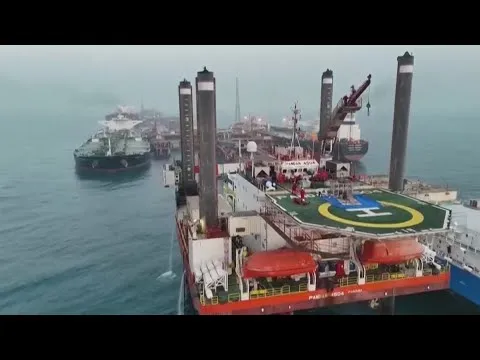
US Rescues Pilot, Iran Strikes Oil Sites Amid Tensions
The United States military has successfully carried out a daring search and rescue operation to save a downed pilot in Iran. President Trump announced the mission’s success on his Truth Social account, calling it one of the most daring operations in U.S. history. The pilot, a highly respected colonel, is now safe and receiving medical care. This rescue comes after a multi-day operation where the aviator trekked through Iranian mountains, reportedly evading Iranian forces. Dozens of U.S. aircraft, armed with advanced weaponry, were deployed to retrieve him. While the pilot sustained injuries, he is expected to recover fully. Unverified footage from Iranian state media appears to show elements of the operation, including helicopters and low-flying planes, underscoring the risks involved for American service members operating in Iranian airspace.
This successful rescue operation has brought relief to many, especially in Israel and the Middle East, where people had been hoping for positive news. Both aviators involved in the incident, which led to the pilot’s initial downing, are now back in U.S. custody. Reports suggest two helicopters were hit during the mission but managed to escape. The focus now shifts to future actions and looming deadlines in the Middle East.
Iran’s Ultimatum and European Energy Fears
President Trump has given Iran a new 48-hour deadline to make a deal to reopen the Strait of Hormuz. This deadline, set for April 6th, comes as energy officials warn of a potential energy crisis hitting Europe in the coming weeks. The crisis could occur as the last remaining oil shipments on certain vessels cease to arrive at European ports. This timeline adds significant pressure to ongoing diplomatic efforts.
Escalating Regional Conflict
In response to the approaching deadline and ongoing tensions, Israeli forces have intensified their strikes on Iranian positions. These strikes have targeted ballistic missile launchers and a petrochemical complex, according to Israeli Prime Minister Benjamin Netanyahu. Iran, meanwhile, has carried out its own strikes across the Middle East, primarily targeting energy sites. Notable attacks include damage to an oil facility and the Gulf Petrochemical Industries Company in Bahrain, as well as the Shu’aiba oil field complex in Kuwait. These actions highlight the escalating conflict and its impact on global energy supplies.
Historical Context and Competing Interests
The current standoff echoes historical patterns of conflict and strategic maneuvering in the Middle East. The Strait of Hormuz has long been a critical chokepoint for global oil shipments, making its control a significant geopolitical prize. Both Iran and its adversaries recognize its strategic importance. Iran’s actions, including strikes on energy infrastructure, can be seen as an attempt to exert leverage and disrupt global energy markets. The United States and its allies, in turn, aim to maintain freedom of navigation and ensure stable energy supplies. The involvement of countries like Israel, Bahrain, and Kuwait further complicates the regional dynamics, drawing them into the escalating conflict.
Economic Leverage and Future Scenarios
Economic factors are central to this unfolding crisis. Iran’s potential closure of the Strait of Hormuz could significantly impact global oil prices and supply chains, particularly affecting Europe, which relies heavily on Middle Eastern oil. The strikes on energy facilities in Bahrain and Kuwait demonstrate Iran’s capacity to disrupt regional energy production and export routes. The U.S. and its allies may consider further economic sanctions or military responses to counter these actions. Several future scenarios are possible. One involves a de-escalation, potentially through a diplomatic agreement on the Strait of Hormuz. Another scenario is further escalation, leading to wider regional conflict and severe disruptions to global energy markets. A third possibility is a prolonged period of heightened tension with intermittent strikes and counter-strikes, creating ongoing instability.
Global Impact
The events in the Middle East have far-reaching consequences. The successful rescue operation showcases U.S. military capability and resolve. However, the escalating conflict and threats to vital energy routes risk destabilizing regional and global economies. Europe’s vulnerability to energy disruptions is particularly concerning. The actions of Iran, the U.S., and regional powers are reshaping the geopolitical landscape, with potential impacts on international trade, energy security, and global stability. The coming days, with the April 6th deadline, will be crucial in determining the trajectory of this volatile situation.
Source: Trump vows to strike Iranian power plants Tuesday | Morning in America (YouTube)

Related Articles


Trump Threatens Iran, Shaking Global Stability
Former President Trump's aggressive Easter Sunday warning to Iran has ignited global concerns, highlighting a volatile intersection of politics, religion, and foreign policy. The analysis explores the motivations behind such rhetoric, the deep divisions within American society, and the potential for severe economic and geopolitical repercussions worldwide.
Trump’s Rhetoric Fuels Iran Tensions, Raises War Crime Alarms
Former President Donald Trump's aggressive Easter weekend social media posts directed at Iran have sparked international concern. His threats of military action and ultimatums, coupled with conflicting narratives about military engagements, have raised alarms about potential war crimes and a dangerous escalation of conflict. Critics accuse both Trump and segments of the media of downplaying the severity of his rhetoric.


Trump Threatens Iran: “Open Strait or Live in Hell”
President Trump issued a severe warning to Iran, threatening "hell" if the Strait of Hormuz is not reopened, while U.S. forces successfully rescued a downed airman. Experts suggest potential escalation and regional realignments are unfolding.