US Rescues Pilot From Iran After F-15 Crash
A U.S. pilot was rescued from Iran after his F-15 crashed, involving a complex operation with special forces and a firefight. The mission highlights U.S. capabilities but also the risks of continued air operations over Iran.

US Rescues Pilot From Iran After F-15 Crash
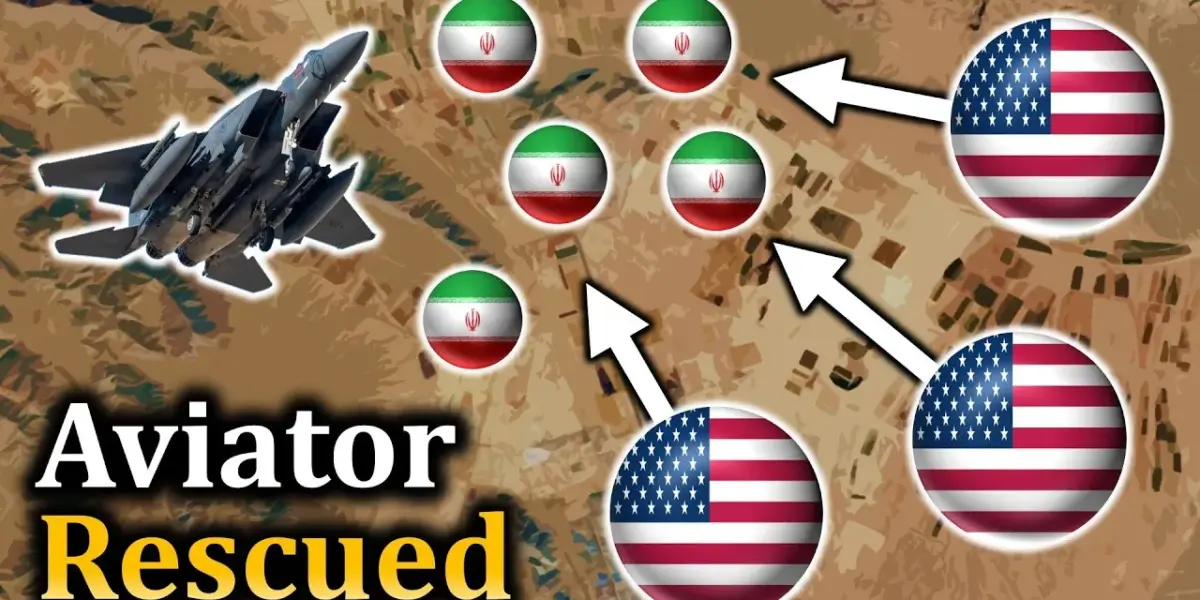
A U.S. pilot, who ejected from his F-15 fighter jet after it crashed in Iran, has been successfully rescued. The complex operation involved U.S. special forces, strategic deception, and a firefight with Iranian forces. This event highlights both the capabilities of U.S. rescue missions and the ongoing risks in the region.
Rescue Operation Details
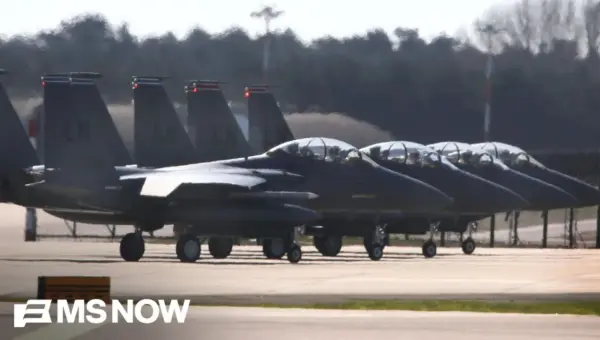
The incident began on April 3rd when an F-15 crashed in northern Iran, reportedly after being engaged by an Iranian interceptor. The pilot ejected and was quickly recovered, likely due to landing in an area not yet compromised by Iranian forces. However, the Weapons System Officer (WSO) also ejected and remained missing, initiating a two-day rescue effort.
Upon landing, the WSO activated his Combat Survivor Evader Locator (CSEL) device. This system acts as a beacon for U.S. search and rescue teams. Unlike older systems that broadcast a general signal, the CSEL uses encryption and short bursts to limit its detection by enemy forces. The WSO took cover on a remote ridgeline, a challenging terrain that has historically impacted military operations in the region.
While the CSEL successfully pinpointed the WSO’s location, a significant challenge remained. Any direct rescue attempt, such as a helicopter approach, could reveal the hidden pilot to observing Iranian forces. To counter this, the U.S. military employed a multi-faceted strategy. This included providing air cover for the downed officer and launching diversionary search efforts to mislead Iranian forces.
The CIA reportedly initiated an information campaign within Iran, spreading false intelligence about the WSO traveling by ground convoy. The goal was to draw Iranian forces away from the actual location. This deception, combined with air support, including A-10 Warthogs engaging Iranian forces like the IRGC, helped clear the path for the rescue.
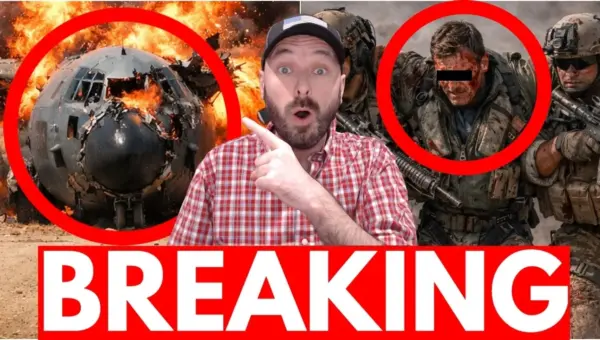
In the pre-dawn hours of Sunday, Navy SEAL Team Six executed the extraction. Using a combination of helicopters and planes, commandos reached the area, secured the WSO under fire, and departed. The operation’s success was underscored by the establishment of a temporary, de facto airfield within Iran. Several C-130 transport planes were involved, with two unable to take off and subsequently destroyed to prevent their capture by Iran. Three additional C-130s arrived as backup.
The U.S. reported no casualties during the rescue operation.
Strategic Implications
The successful rescue of the Weapons System Officer demonstrates the precision and capability of U.S. special operations forces. However, it also raises critical questions about the safety of U.S. flights over Iran and the broader strategic implications of continued military operations in the area.
Flight Safety and Risk Assessment
The U.S. military has conducted an estimated 10,000 sorties over Iran. The loss of one F-15 represents a failure rate of approximately 0.03%. For comparison, Russia’s aircraft loss rate during the initial phase of its invasion of Ukraine was estimated between 0.5% and 1.5%. This indicates a significantly lower risk for U.S. air operations over Iran. However, even a low failure rate means that further incidents are statistically probable.
The possibility of future aircraft losses, potentially in more accessible areas, presents a significant political challenge. The U.S. must consider the potential consequences, including the capture of pilots and the impact on public opinion and the war effort.
Future Strategic Options
The incident also opened discussion on potential strategic gambits for both sides. Iran could, in theory, keep a captured pilot’s status secret to lure additional U.S. aircraft into vulnerable situations, potentially creating a cascade of downed planes. This strategy relies on Iran possessing effective anti-aircraft capabilities, which the current low U.S. aircraft loss rate casts doubt upon.
Conversely, the U.S. could theoretically conduct a quiet recovery of a downed pilot. This might draw Iranian forces out in a search, revealing their positions. The CIA’s reported information campaign hints at this approach, though a larger-scale operation could be conceived.
Boots on the Ground and Kharg Island
The successful rescue operation has reignited discussions about the viability of U.S. ground operations within Iran. The argument is that the swift success of the extraction mission might embolden the U.S. to consider larger ground deployments, such as seizing key infrastructure like Kharg Island.
However, military analysts emphasize that the rescue was successful precisely because it was rapid and limited in duration. A prolonged ground presence would significantly increase exposure to Iranian drone attacks and other threats. The geography and logistics of Iran make large-scale ground invasions highly impractical and tactically unsound.
Regarding Kharg Island, while direct occupation to seize oil is deemed unfeasible due to pipeline vulnerabilities and logistical challenges, a limited ground presence for sabotage operations remains a potential threat. Such actions could disrupt Iran’s oil infrastructure, but would likely cause global oil price spikes.
In conclusion, while the U.S. demonstrated exceptional capability in rescuing its downed pilot, the incident underscores the inherent risks of operating in contested airspace. The focus remains on maintaining cautious air operations, recognizing that even sophisticated processes do not guarantee invincibility, and carefully considering the strategic and political ramifications of any future downed aircraft or personnel.
Source: The F-15 Rescue: What Actually Happened and the Fallout Afterward (YouTube)

Related Articles

US Secretly Built Base, Blew Up Jets in Daring Iran Rescue
The U.S. military executed a daring rescue of a downed F-15 pilot from Iran, revealing the secret construction of a forward operating base near a key nuclear site. The mission concluded with the deliberate destruction of four U.S. aircraft to prevent them from falling into Iranian hands.
US Fighter Pilot Rescued, Second Missing After Jet Downed
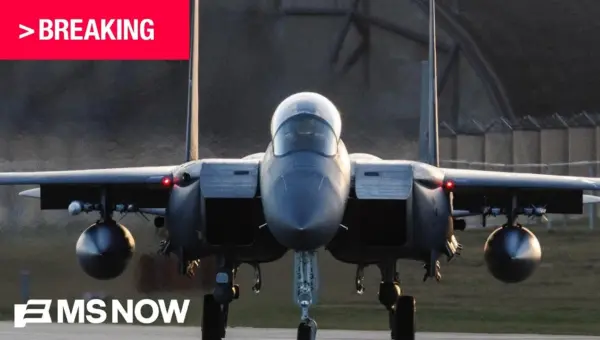
One U.S. fighter pilot has been rescued after their jet crashed in potentially hostile territory, but a second crew member remains missing. A swift search and rescue operation is underway, facing significant challenges in enemy airspace. The incident highlights the military's commitment to not leaving personnel behind, even in high-risk situations.
US Scours Iran for Downed F-15 Crew
A U.S. F-15 fighter jet has crashed in Iran, triggering an intense search and rescue mission. The crew, trained in survival techniques, is being sought by specialized teams. The incident raises concerns about the crew's safety and potential political leverage for Iran if captured.