US Rescues Pilot After F-15E Shot Down in Iran
U.S. forces have rescued one crew member of an F-15E Strike Eagle shot down in Iran on April 3. The Combat Search and Rescue operation, "Operation Epic Fury," continues to search for the missing weapons systems officer deep inside Iranian territory.

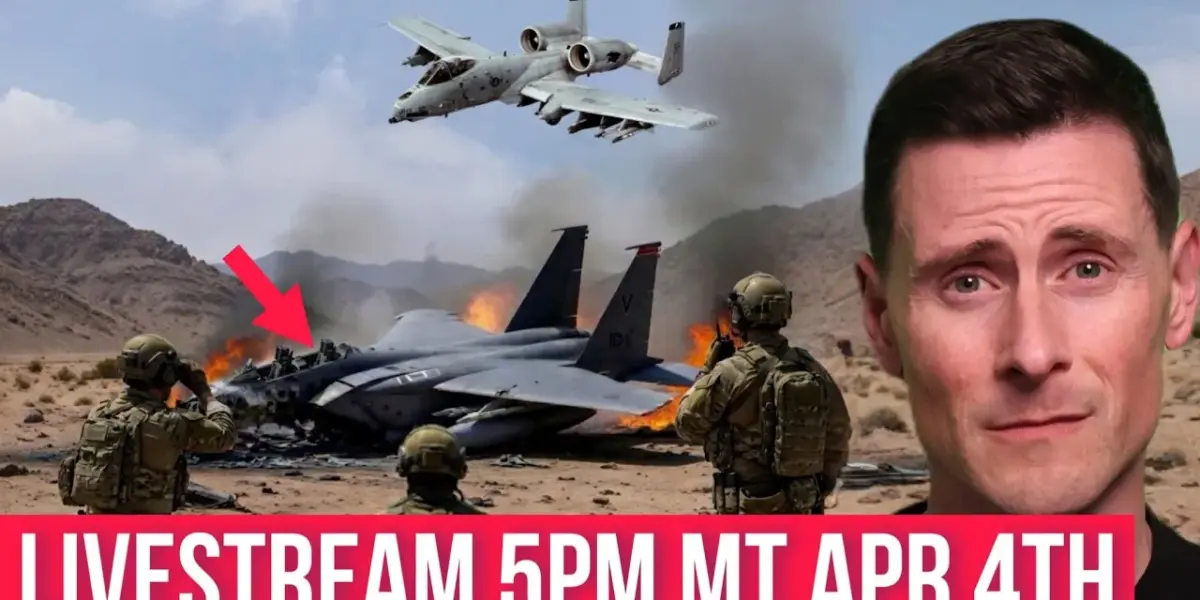
US Rescues Pilot After F-15E Shot Down in Iran
United States forces have successfully rescued one crew member of an F-15E Strike Eagle fighter jet that was shot down over Iran on April 3. The intensive Combat Search and Rescue (CSAR) operation, codenamed “Operation Epic Fury,” is ongoing to locate the second crew member, the weapons systems officer (WSO). This daring mission highlights the high stakes involved when U.S. aircraft operate in contested airspace.
Rescue Mission Deep Inside Iran
The F-15E, a twin-engine, all-weather strike fighter, was downed during a mission inside Iran. Details regarding the exact circumstances of the shootdown have not been released. However, the immediate launch of a CSAR operation signals a critical priority for U.S. military leadership: the recovery of downed aircrew.
CSAR missions are complex and dangerous. They involve specialized units trained to operate in hostile territory to retrieve pilots or other personnel who have ejected or crashed. These operations often require air cover, electronic warfare support, and ground forces to secure the recovery zone. The fact that this operation is taking place deep inside Iran suggests a significant commitment of resources and risk.
Strategic Context: Operation Epic Fury
The name “Operation Epic Fury” suggests a determined and potentially large-scale effort to achieve the mission’s objectives. While the transcript does not provide specific details on the units involved, CSAR operations typically draw from units like the Air Force’s pararescue jumpers (PJs) and combat controllers, often supported by special operations forces and various aviation assets.
The loss of an F-15E Strike Eagle is significant. This aircraft is a key asset in the U.S. Air Force’s arsenal, capable of delivering a wide range of munitions at high speeds and in challenging weather conditions. Its presence over Iran indicates a specific mission objective, the details of which remain classified. However, the shootdown itself raises questions about Iran’s air defense capabilities and the potential for escalation.
What This Means on the Ground
The successful rescue of one crew member is a significant morale boost and a testament to the training and bravery of the rescue forces. However, the continued search for the WSO underscores the ongoing danger and uncertainty. The operation requires U.S. forces to operate within or near Iranian airspace, potentially drawing Iranian military responses.
The strategic implications are considerable. The incident could increase tensions between the United States and Iran. It also brings to the forefront the critical role of airpower and the inherent risks associated with its deployment in denied or contested areas. The ability to conduct effective CSAR is vital for maintaining aircrew confidence and demonstrating a commitment to personnel recovery, regardless of the operational environment.
Historical Parallels
The scenario echoes historical instances where downed aircrew in enemy territory have triggered extensive rescue efforts. During the Vietnam War, for example, numerous rescue missions were launched to save pilots shot down over North Vietnam, often facing heavy enemy fire. These operations, though perilous, were crucial for maintaining pilot morale and demonstrating national resolve.
Similarly, during the Gulf War, efforts were made to recover downed pilots. Each such event underscores the fundamental military principle that personnel are a nation’s most valuable asset, and their recovery is a top priority, even at significant risk.
Broader Geopolitical Impact
The shootdown of a U.S. aircraft within Iranian borders, and the subsequent complex rescue operation, carries significant geopolitical weight. It signals a heightened level of military activity and potential confrontation in the region. The incident could influence diplomatic relations and regional security dynamics, potentially drawing in allies and adversaries alike.
The international community will be closely watching the developments, as any miscalculation or escalation could have far-reaching consequences. The successful execution of the rescue, even partially, demonstrates U.S. capability and resolve, while the ongoing search highlights the persistent dangers in modern aerial warfare.
Source: Daring Rescue Mission Continues for F-15E Crew Member LIVESTREAM (YouTube)

Related Articles
Iran Claims F-15E Downed; Rescue Mission Continues
A daring rescue mission is underway for a missing F-15E Strike Eagle weapons systems officer deep inside Iran. The operation follows the F-15E's downing and an A-10's battle damage, highlighting Iran's use of MANPADS and proxy tactics. US forces have rescued one pilot, but the search for the WSO continues amidst Iranian propaganda claims.
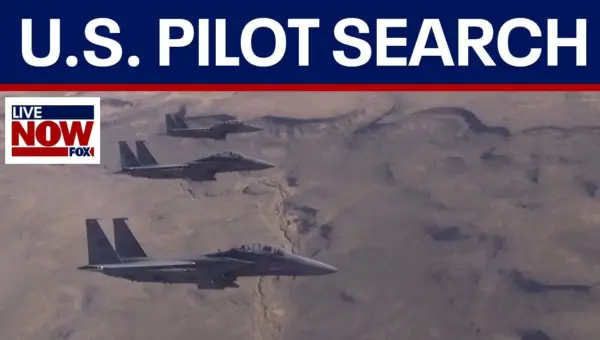
US Pilot Missing After Fighter Jet Downed Over Iran
A U.S. F-15E fighter jet was shot down over Central Iran, prompting an intensive search for a missing pilot. One crew member was rescued, while Iranian state media has offered rewards for the capture of the second pilot. Elite U.S. combat search and rescue teams are facing significant challenges in the mountainous terrain.
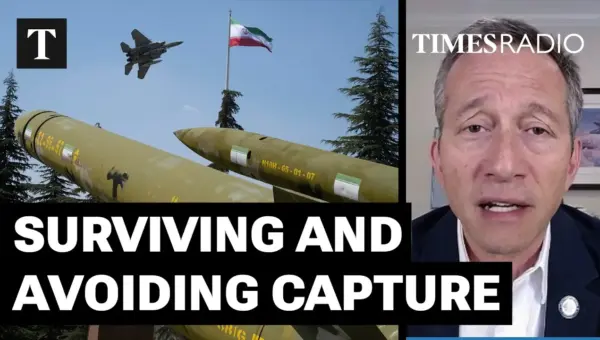
Pilot Shot Down Over Iran: Expert Details Survival, Rescue Efforts
A U.S. pilot ejected over Iran after his aircraft was shot down, prompting a critical search and rescue mission. Retired Brigadier General Houston Cantwell explained the rigorous survival training pilots undergo and the vital role of specialized rescue teams. The incident underscores the dangers of air operations and the strategic importance of recovering downed personnel.