US Rescues Airman Behind Enemy Lines
The U.S. military successfully executed a daring rescue of an airman behind enemy lines, showcasing elite Pararescue capabilities. This joint operation involved multiple U.S. special operations forces and international partners, highlighting a strong commitment to personnel recovery. The mission is expected to become a key case study in military training.


US Rescues Airman Behind Enemy Lines
In a remarkable display of military might and precision, the United States successfully rescued an airman who was behind enemy lines. This operation highlights the U.S. commitment to leaving no American behind. It was a joint effort involving multiple branches of the U.S. military and intelligence agencies. Israeli capabilities also played a role in the complex mission.
Pararescue Unit’s Motto in Action
The rescue mission brought the motto of the Pararescue unit, known as PJs, to life: “That Others May Live.” These elite forces are part of the Combat Search and Rescue (CSAR) special operations forces. They train rigorously for these high-stakes situations. Their training includes Survival, Evasion, Resistance, and Escape (SERE) scenarios. This operation is expected to become a case study in SERE schools.
Joint Special Operations Effort
The successful rescue was not carried out by a single unit. It involved a coordinated effort from various special operations forces. This included Army Delta Force, Navy SEALs, and the intelligence community. The specific details of how the airman was located and extracted are still emerging. However, reports suggest early contact was made with U.S. forces. This likely led to a CIA-supported operation to secure the airman.
Airman’s Condition and Recovery
The rescued airman was reportedly injured. Initial reports indicate he is receiving medical attention in Iraq. The injuries are thought to be significant, beyond those expected from ejecting from an aircraft. Surviving for 48 hours behind enemy lines is an extraordinary feat. The focus now shifts to his physical and emotional recovery. Military officials are confident he will want to return to duty once he is medically cleared.
U.S. Capabilities in Combat Search and Rescue
This mission underscores the unique and advanced capabilities of the U.S. in combat search and rescue. These operations are meticulously planned, even though their activation is always hoped to be avoided. The success of this mission is a testament to the detailed planning and flawless execution by all involved. It is a reminder of the dedication and skill of the U.S. military personnel who often work behind the scenes.
Global Impact and Future Implications
This successful rescue sends a strong message about U.S. resolve and capability. It reassures allies and deters adversaries. The intricate planning and execution demonstrate the strength of U.S. intelligence gathering and special operations forces. The collaboration with international partners, like Israel, further solidifies strategic alliances. Such operations can influence regional stability and demonstrate a nation’s commitment to its personnel.
Historical Context of Rescue Missions
Rescue missions are a long-standing tradition in military operations. They represent a nation’s commitment to its service members. Throughout history, various countries have undertaken daring rescues. These operations often involve significant risk but yield important strategic and morale benefits. The modern CSAR units build upon this legacy, equipped with advanced technology and specialized training.
Economic and Diplomatic Considerations
While this was a purely military operation, it occurs against a backdrop of complex geopolitical dynamics. The region where the rescue took place is often subject to heightened tensions. The success of the mission can influence diplomatic negotiations and regional power balances. It showcases U.S. military readiness, which can indirectly affect economic stability and trade routes in the area.
Future Scenarios
This successful rescue could embolden the U.S. to undertake similar operations if needed. It might also serve as a deterrent to groups that might target U.S. personnel. Conversely, it could lead to increased scrutiny and potentially retaliatory actions from adversaries, depending on the specific geopolitical context. The long-term implications will depend on how regional actors and global powers respond.
Why This Reshapes the World Order
This operation, while focused on a single airman, reinforces the perception of U.S. military prowess. In a world where power dynamics are constantly shifting, such demonstrations of capability are significant. They reaffirm alliances and can influence the calculations of potential adversaries. The ability to project power and execute complex missions successfully contributes to a nation’s standing on the global stage. It shows that the U.S. has the will and the means to protect its interests and personnel, anywhere in the world.
Source: ‘This is what they do’: Retired Marine discusses Pararescue unit | Morning in America (YouTube)

Related Articles
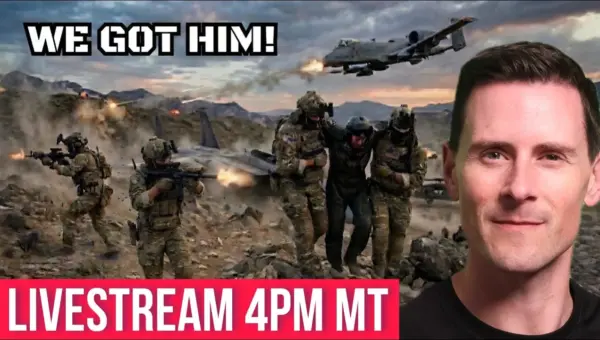
US Forces Stage Daring Iran Rescue of Downed Pilot
Elite U.S. special forces executed a daring rescue of a downed F-15E pilot deep within Iran's Zagros Mountains. The operation involved multiple branches and aircraft, facing heavy resistance. President Trump confirmed the successful recovery, marking a significant behind-enemy-lines mission.
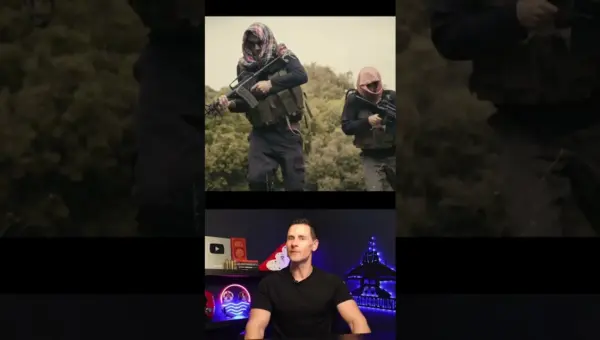
US Forces Execute Daring Mountain Rescue in Iran
US Special Operations forces executed a daring rescue mission in Iran's Zagros Mountains on April 5th, 2026. Elite commandos, supported by extensive air power, recovered the second crew member of a downed F-15E fighter jet. The pilot had evaded Iranian forces for nearly 48 hours.


US Rescues Airman, Uniting Congress in Rare Bipartisan Praise
Washington reacted with widespread relief and bipartisan praise following the successful rescue of a U.S. service member held in Iran. The operation united lawmakers, demonstrating American resolve and capability in a complex geopolitical landscape. This event highlights the enduring importance of military power and its impact on regional dynamics.