US Rents Dip to 4-Year Low Amid Rising Vacancies
National median apartment rents have fallen 1.4% year-over-year to a four-year low, with vacancy rates hitting a decade-high of 7.3%. Major markets like Austin, Texas, are experiencing rent declines of over 20%. Despite falling new lease rates, some landlords continue to push for renewal increases, underscoring the need for renters to stay informed.

US Rents Dip to 4-Year Low Amid Rising Vacancies
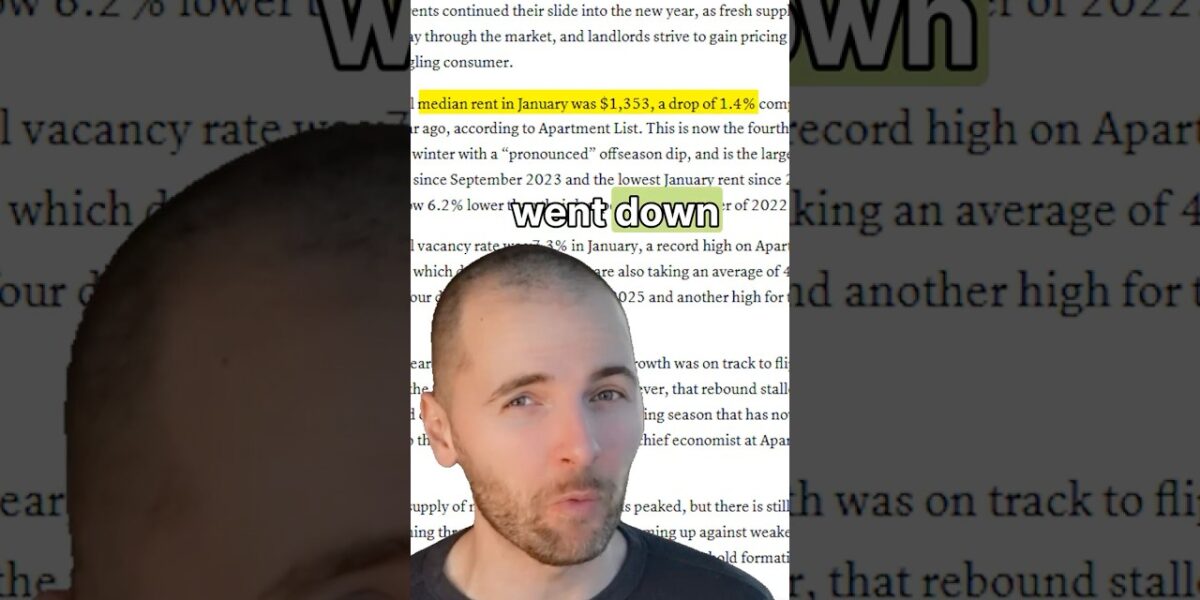
The national median apartment rent has experienced a significant downturn, falling 1.4% year-over-year to kick off 2026. This marks the lowest level recorded in four years, signaling a notable shift in the rental market dynamics. Accompanying this rent decline is a surge in vacancy rates, with the Apartment List multifamily vacancy index climbing to a decade-high of 7.3%. This combination of falling rents and increasing vacancies presents a challenging landscape for landlords and a potential opportunity for renters.
Regional Markets See Steep Declines
While the national trend indicates a cooling rental market, certain metropolitan areas are experiencing more dramatic rent reductions. Austin, Texas, has seen rents plummet by an astonishing 22% since mid-2022. Other major cities are not far behind, with Atlanta reporting an 11% decrease, Orlando down 11%, and Nashville also experiencing an 11% drop. These figures suggest that markets that previously experienced rapid rent growth may be undergoing a significant correction.
Landlords Navigate Dual Pricing Strategies
Despite the downward pressure on new leases, landlords may still attempt to increase rents for existing tenants upon lease renewal. Data from Equity Residential, a prominent apartment Real Estate Investment Trust (REIT), illustrates this strategy. In late 2025, the company reportedly cut rents for new leases by approximately 1.5% but simultaneously implemented rent increases of over 4% for renewals. This dual approach was particularly evident in markets like Denver, where new lease rents were slashed by 18%, yet renewal rates still saw an increase of over 2%. This highlights the importance for renters to be informed about local market conditions before negotiating lease renewals.
Understanding Market Forces at Play
Several factors are contributing to this shift in the rental market. The surge in new apartment construction over the past few years has significantly increased supply, particularly in high-growth urban centers. As more units come online, landlords face greater competition to attract and retain tenants, leading to concessions and rent reductions for new leases. This increased supply is outpacing demand in many areas, driving up vacancy rates.
Broader economic conditions also play a crucial role. While interest rates have stabilized, the cumulative effect of previous rate hikes can impact housing affordability and consumer spending. A slower economy or increased unemployment in certain regions can reduce the overall demand for rental properties. Furthermore, demographic shifts and migration patterns can influence local rental market performance. Some Sun Belt cities that saw explosive growth during the pandemic may now be experiencing a slowdown as remote work policies evolve and some companies encourage a return to office.
Implications for Stakeholders
For Renters: This market shift offers potential advantages. Renters may find more negotiating power, with opportunities to secure lower rents or request concessions. However, it is crucial for renters to research their local market thoroughly, understand comparable rental rates, and be aware of landlord strategies regarding lease renewals. Simply seeing a headline about falling national rents does not guarantee a decrease in your specific renewal rate.
For Landlords and Investors: The current environment presents challenges. Declining rents and rising vacancies can impact cash flow and profitability. Investors relying on high rental income to service debt or achieve specific returns may need to reassess their strategies. Understanding the concept of capitalization rate (cap rate), which is a measure of a property’s profitability relative to its price (Net Operating Income / Property Value), becomes critical. A declining rental income can negatively affect the net operating income, thus potentially lowering the cap rate and property valuation.
Loan-to-Value (LTV) ratios, which compare the loan amount to the property’s appraised value, also become a consideration. If property values decline due to lower rental income, it could impact an investor’s LTV, potentially requiring them to inject more equity or face tighter lending conditions. The ability to maintain positive cash flow – the income remaining after all expenses are paid – is paramount. With falling rents, investors must carefully manage expenses and potentially adjust their yield expectations.
Navigating the Future
The current trends suggest a period of adjustment for the U.S. rental market. While the national median rent has fallen, the impact varies significantly by region. Markets that experienced the most rapid rent appreciation in recent years are often the ones seeing the steepest corrections. Landlords and investors will need to adapt to a more competitive environment, focusing on tenant retention and efficient property management. Renters, armed with market knowledge, are in a better position to negotiate favorable lease terms. Staying informed about local data and broader economic trends will be key for all participants in the housing market.
Source: CNBC reports big problems for U.S. Rental Market in 2026. (YouTube)

Related Articles


Breaking Into Real Estate: Opportunity Knocks
High property prices and interest rates dominate current real estate discussions, leading many to believe market entry is impossible without wealth. However, historical perspective and strategic thinking suggest opportunity persists for those willing to learn and adapt, regardless of their starting financial position.


Florida Housing Market Sees Sellers Face Losses
Sellers in Florida are increasingly facing significant financial losses as the housing market experiences a notable downturn. Properties bought just a couple of years ago are now being sold for less than their purchase price, highlighting the cyclical nature of real estate and the importance of data-driven decision-making.

Housing Market Slowdown: Cities to Watch for Price Declines
Several U.S. cities are projected to see home price declines in 2026, driven by rising inventory and slower demand. Orlando, Seattle, Dallas-Fort Worth, Tampa, and Denver are among the markets highlighted for potential price adjustments, offering opportunities for buyers but signaling a shift from recent market conditions.