US Refueling Plane Crashes in Iraq, Iran Escalates Regional Tensions
A U.S. Air Force KC-135 refueling plane crashed in western Iraq amid ongoing rescue efforts. The incident occurred as Iran escalates regional tensions with attacks on oil tankers and infrastructure in Bahrain and Dubai.

US KC-135 Aircraft Crashes in Western Iraq
A United States Air Force KC-135 Stratotanker aircraft crashed in western Iraq on Tuesday, prompting ongoing rescue efforts. U.S. Central Command confirmed the incident occurred within friendly airspace and stated that the crash was not attributed to hostile fire, either from enemy or allied forces. The exact cause of the crash is under investigation, but the event has occurred amidst a backdrop of escalating regional tensions involving Iran.
Iran Intensifies Attacks on Maritime and Infrastructure Targets
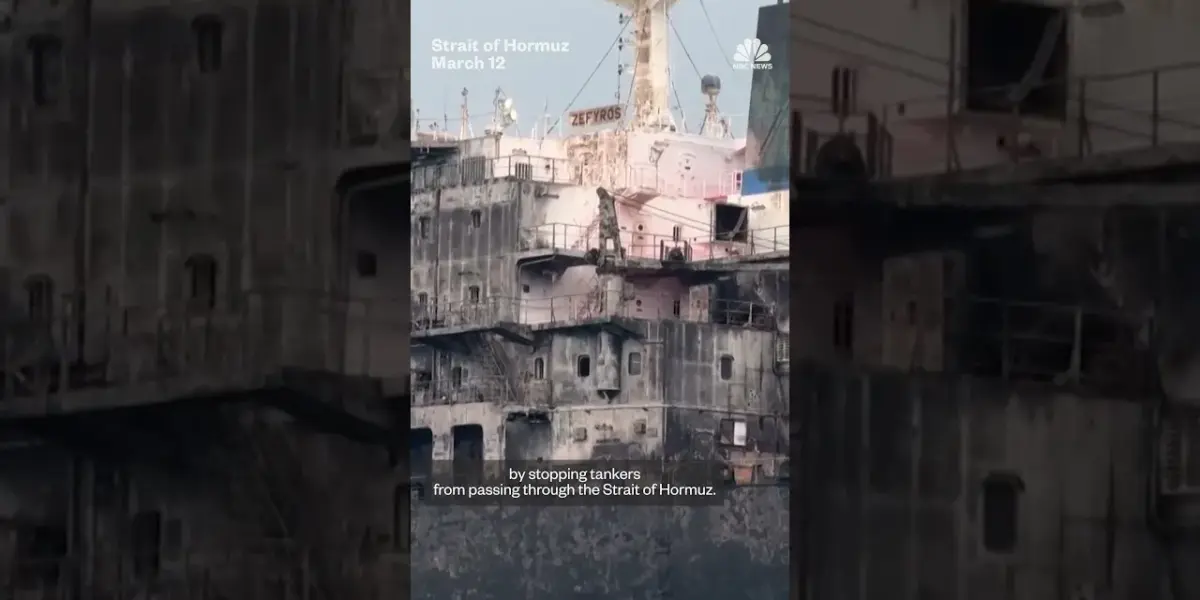
The KC-135 crash coincides with a surge in Iranian aggression targeting oil tankers and critical infrastructure in the Middle East. In one notable incident, a fuel-laden ship was engulfed in flames, an act that U.S. officials suggest is part of Iran’s broader strategy to disrupt global oil markets and drive up prices. This maritime campaign appears aimed at deterring vessels from transiting the vital Strait of Hormuz, a key chokepoint for international oil shipments.
Beyond naval actions, Iran’s aggressive posture extends to other fronts. New video footage has emerged showing a high-rise building in Dubai impacted by what is described as an Iranian drone strike. Furthermore, reports indicate fires raging at a fuel depot in Bahrain following an Iranian strike. These coordinated attacks underscore a pattern of Iranian assertiveness aimed at destabilizing the region and potentially exerting influence through economic and military pressure.
Regional Isolation and Strategic Implications
The series of Iranian provocations has led to increasing international condemnation and appears to be contributing to Iran’s growing isolation on the global stage. The targeting of civilian infrastructure and commercial shipping raises significant concerns about international law and the safety of maritime trade routes. The U.S. Central Command’s statement regarding the KC-135 crash, emphasizing the absence of hostile fire, suggests that the incident may be a result of mechanical failure or other unforeseen circumstances, though the timing is undeniably sensitive given the surrounding geopolitical climate.
The KC-135 Stratotanker is a crucial asset for U.S. military operations, primarily serving as an aerial refueling platform. Its presence in western Iraq is likely in support of ongoing counter-terrorism operations or other strategic missions in the region. The loss of such an aircraft, even without enemy action, represents a significant operational setback and highlights the inherent risks associated with military aviation in complex environments.
Broader Context of Middle Eastern Geopolitics
The current escalation by Iran occurs at a time of heightened geopolitical sensitivity in the Middle East. The region remains a focal point for international relations, with various actors vying for influence and security. Iran’s actions can be interpreted as attempts to project power, retaliate against perceived threats or sanctions, and disrupt the economic stability of its adversaries. The international community is closely monitoring these developments, assessing the potential for wider conflict and the impact on global energy security.
Ongoing Rescue and Investigation
Rescue efforts for the crew of the downed KC-135 are underway. U.S. Central Command has not released details regarding the number of personnel aboard or their condition. The investigation into the cause of the crash is expected to be thorough, with findings crucial for understanding the circumstances and preventing future incidents. Simultaneously, the international response to Iran’s aggressive actions, particularly its attacks on shipping and infrastructure, will likely shape diplomatic and economic relations in the coming weeks and months.
Looking Ahead
The coming days will be critical in assessing the full impact of the KC-135 crash and Iran’s intensified regional attacks. Attention will be focused on the status of the rescue operations, the findings of the crash investigation, and the international community’s response to Iran’s escalating aggression. The stability of oil markets and the safety of crucial shipping lanes remain paramount concerns as the region navigates this period of heightened tension.
Source: U.S. KC-135 refueling plane crashes in Iraq (YouTube)

Related Articles


Iran’s War Machine Crippled By Devastating Strikes
Recent bombing strikes have crippled Iran's key steel facilities and missile storage sites, severely impacting its ability to produce weapons and project power. This escalation could significantly alter regional dynamics and affect ongoing ceasefire talks.


Trump Pauses Iran Strikes as Talks Yield Oil Shipments
President Trump has paused strikes on Iranian energy facilities for ten days as Iran offers oil shipments amid ongoing talks. The Pentagon is considering sending more troops, while domestic protests highlight divisions. The situation remains tense with significant economic stakes.


Trump Warns: Iran’s Nuclear Ambitions Threaten Global Safety
President Trump voiced strong concerns over Iran's nuclear ambitions, labeling its leaders "mad people" and warning of global devastation if they acquire nuclear weapons. His statements come amid escalating tensions and direct military exchanges between Iran and Israel.