US Refueling Plane Crashes in Iraq Amid Iran Tensions
A U.S. KC-135 refueling aircraft crashed in western Iraq amid escalating regional tensions and Iran's increased attacks on oil tankers. Rescue efforts are ongoing, with U.S. Central Command confirming the incident was not due to hostile fire. The crash occurs as Iran continues to threaten maritime trade routes and faces international condemnation.

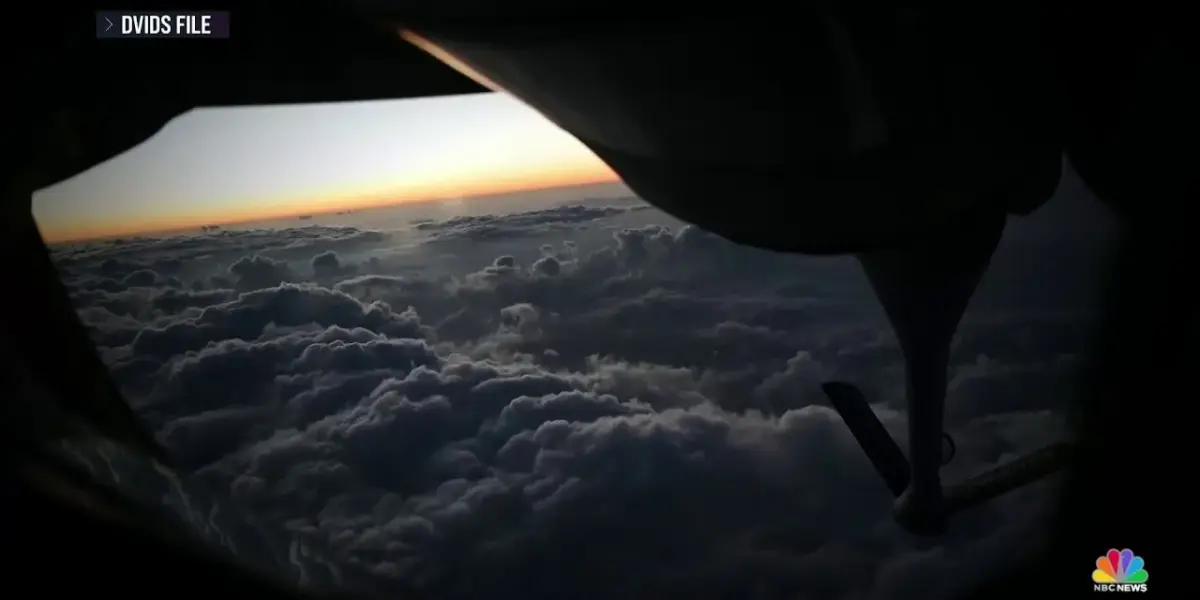
US Refueling Plane Downed in Western Iraq, Rescue Underway
A U.S. KC-135 refueling aircraft crashed in western Iraq on Tuesday, U.S. Central Command confirmed, initiating ongoing rescue efforts. The aircraft went down in friendly airspace and was not a result of hostile or friendly fire, according to initial reports. The incident occurs as regional tensions escalate, with Iran reportedly increasing its attacks on oil tankers in a strategic move aimed at disrupting global oil prices.
Iran’s Escalating Actions and International Response
The crash of the U.S. aircraft coincides with a period of heightened activity from Iran. Iranian state media has broadcast reports of new attacks on oil tankers, including footage of a fuel-laden ship engulfed in flames. This is seen as part of a broader strategy by Iran to exert pressure by threatening passage through the vital Strait of Hormuz.
Iranian officials have reiterated threats to close the Strait of Hormuz, a critical chokepoint for global oil trade. While a message attributed to Iran’s new Supreme Leader regarding the use of the “lever of closing the Strait of Hormuz” was reported by state media, his image and voice were not broadcast. This indicates a coordinated effort to maintain a certain public image while pursuing assertive actions.
Beyond maritime threats, Iran has also been implicated in drone and missile attacks targeting the wider region. New video emerged showing a high-rise building in Dubai struck by an Iranian drone, and fires raging after a strike on a fuel depot in Bahrain. These actions have led to Iran’s increasing international isolation.
The international community has responded with condemnation. At the United Nations, 135 nations voted to condemn Iran for its attacks on Gulf countries and Jordan. This broad consensus underscores the growing concern over Iran’s regional destabilization efforts.
Broader Geopolitical Ramifications and Regional Conflict
The volatile situation has had ripple effects beyond the immediate region. Iran’s decision to withdraw from the upcoming World Cup in the U.S. was met with a response from President Trump, who stated that while the team is welcome, he questioned the appropriateness of their participation due to safety concerns. This follows an incident where six members of Iran’s women’s soccer team were granted asylum in Australia after reportedly flashing help signs on their team bus, hinting at internal dissent or pressures within Iran.
Adding to the regional instability, Iran’s ally, the Lebanese militia Hezbollah, has engaged in significant rocket fire targeting Israel, launching over 100 rockets. In response, Israel’s Defense Minister has issued threats against the Lebanese government, warning of further territorial incursions if Hezbollah’s attacks are not contained. The conflict has resulted in substantial casualties and displacement, with the Lebanese government reporting nearly 700 deaths and over 800,000 displaced individuals.
The Dangers of Aerial Refueling
Regarding the downed KC-135 aircraft, it was confirmed that two aircraft were involved in the incident, with one managing to land safely. Aerial refueling operations, while essential for extending the range and endurance of military aircraft, are inherently complex and dangerous.
“I have been on an American fighter jet while it refueled in midair. It is a very fast, highly skilled, and inherently dangerous operation,” a reporter noted, highlighting the risks involved in such maneuvers.
These operations require precise coordination between two high-speed aircraft, often at high altitudes. Factors such as weather, mechanical issues, and pilot error can contribute to accidents, underscoring the critical nature of the rescue and recovery efforts following the crash.
Looking Ahead
As rescue operations continue for the U.S. KC-135 crew, the international community will be closely monitoring Iran’s response to the growing international pressure and condemnation. The ongoing conflict between Israel and Hezbollah, supported by Iran, also remains a critical flashpoint. The stability of the Strait of Hormuz and the broader implications for global energy markets will be key areas to watch in the coming days and weeks.
Source: Rescue efforts underway after U.S. refueling plane crashes in Iraq (YouTube)

Related Articles

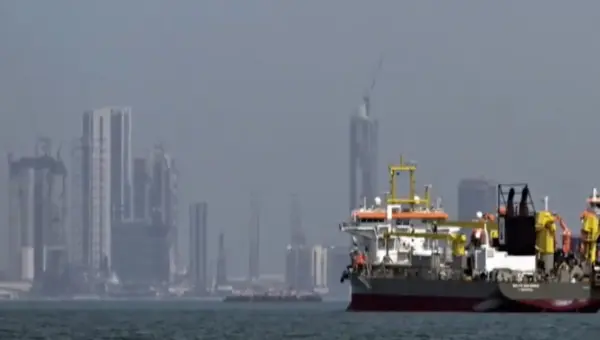
Iran Blocks China Ships, Exposing Beijing’s Weak Grip
Iran's recent decision to block Chinese ships at the Strait of Hormuz is exposing the limits of Beijing's influence in the Middle East. This action is causing delays and cancellations for Chinese manufacturers, turning a perceived geopolitical win into an economic strain.
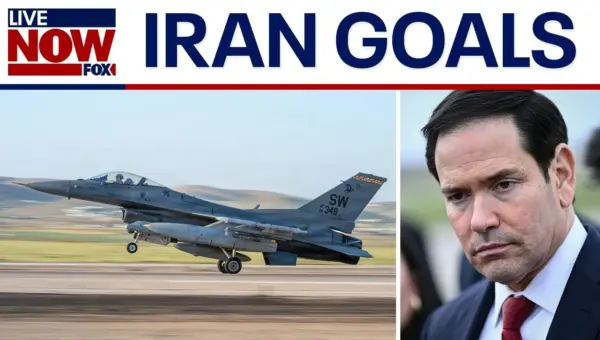
Rubio: US Can Achieve Iran War Goals Without Troops
Senator Marco Rubio outlined a strategy to counter Iran without deploying U.S. ground troops, focusing on weakening the regime and enhancing maritime security. He also criticized Cuba's economic system and expressed concerns about West Bank violence.


Israel Escalates Iran Strikes, Warns of Wider War
Israel has launched significant strikes inside Iran following continued missile fire, warning of further escalation. The conflict risks wider regional instability and economic disruption, especially concerning the Strait of Hormuz.