US Reclaims Moon Race Lead, Eyes Mars
NASA's Artemis 2 mission is set to launch humans to the Moon for the first time in over 50 years. This historic flight is the first step in a plan to establish a Moon base and eventually send astronauts to Mars, sparking a new era of space exploration and competition.

US Rockets to Moon, Ignites New Space Race
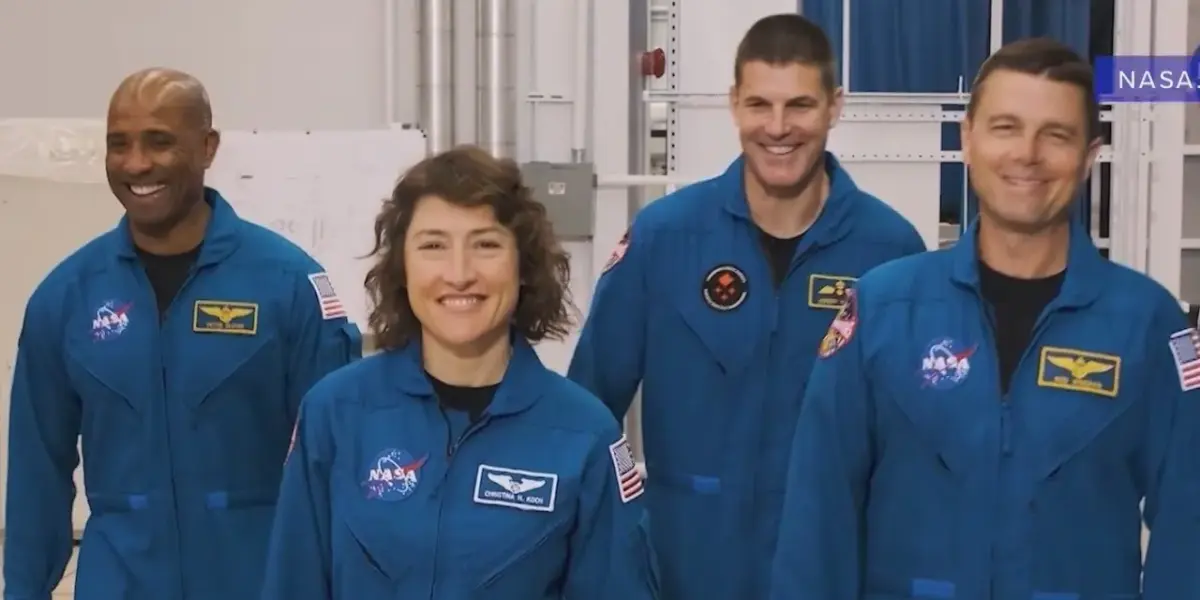
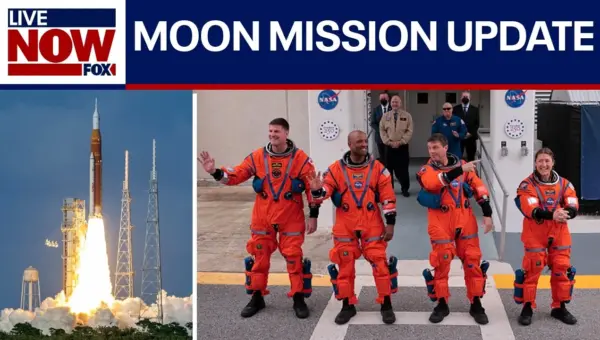
NASA is on the verge of a historic moment, preparing to launch humans to the Moon for the first time in over 50 years. The Artemis 2 mission, set to blast off from the Kennedy Space Center in Florida, carries four astronauts on a daring journey around the Moon. This flight is more than just a trip; it’s the first step in a grand plan to establish a permanent base on the Moon and eventually send humans to Mars.
Artemis 2: A Bold Leap Back to the Moon
The Artemis 2 mission is scheduled for launch tonight. The four astronauts aboard the Orion space capsule will travel roughly 250,000 miles from Earth. This journey will take them further into space than any human has ever been. They will use the Moon’s gravity to slingshot themselves back home. The mission is expected to last about 10 days.
The crew includes NASA astronauts Reid Wiseman, Victor Glover, and Christina Koch, along with Canadian astronaut Jeremy Hansen. This mission marks the first time the powerful Space Launch System (SLS) rocket will carry humans into space. It’s a critical test for the technology needed for future deep-space exploration.
A Stepping Stone to Mars
The ultimate goal of the Artemis program is to create a lasting human presence on the Moon. This Moon base would serve as a research outpost and a launchpad for even more ambitious missions. Senator Mark Kelly, a former astronaut himself, highlighted the significance of this step. He noted that reaching the far side of the Moon, which was not visited during the Apollo missions, is a key objective. This prepares the way for putting astronauts back on the lunar surface.
Beyond the Moon, Mars is the next frontier. Scientists believe Mars holds the best chance of finding evidence of past or present life. However, reaching Mars is a much longer journey, taking about six to nine months compared to just three to four days to the Moon. NASA’s aim is to keep humans exploring the solar system, with the Moon base as a vital intermediate goal before the long voyage to Mars.
Weather and Contingencies
NASA officials are optimistic about the launch, with an 80% chance of favorable weather conditions. However, space launches are complex operations. If weather prevents a launch tonight, there are backup opportunities on following days. The focus remains on a safe and successful liftoff.
The New Space Race Heats Up
The Artemis program is also unfolding against the backdrop of a renewed space race, particularly with China. While the U.S. has historically led in human spaceflight, China has made significant strides. They have successfully landed a robotic mission on the far side of the Moon, an area the U.S. has not yet explored with robots. However, the U.S. remains the only nation to have sent humans to the Moon, and NASA aims to repeat this achievement.
NASA plans to land humans on the Moon again by 2028. This timeline is two years ahead of China’s stated goal of landing astronauts on the Moon. The competition is driving innovation and pushing both nations to expand their reach in space. The development of a permanent Moon base and the eventual journey to Mars are central to the U.S. strategy in this evolving geopolitical contest.
Global Impact: Reshaping Space Exploration
The Artemis 2 mission signifies a major shift in global space ambitions. It marks the return of human deep-space exploration after decades. The program’s focus on long-term presence on the Moon and eventual Mars missions sets a new direction for international space policy. This renewed push by the U.S. challenges other nations to accelerate their own space programs.
The competition with China, in particular, highlights a new era of space rivalry. Unlike the Cold War space race, this competition involves multiple nations with increasingly sophisticated technological capabilities. Control over lunar resources and establishing strategic positions on the Moon could become significant factors in future geopolitical dynamics. The success of Artemis missions will not only advance scientific knowledge but also influence international relations and the balance of power in the 21st century.
Source: Artemis II launch: Moon fly-by will send astronauts 250K miles into space | Morning in America (YouTube)

Related Articles
Artemis II Crew Faces Space Weather Threats to Moon Mission
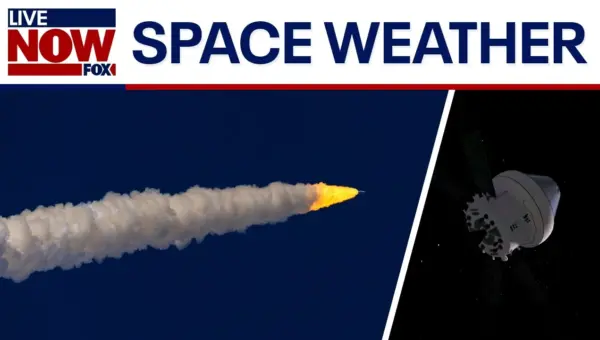
NASA's Artemis II mission is underway, with astronauts embarking on the first lunar trip in over 50 years. The crew faces potential space weather threats, including solar flares and radiation, but NASA has implemented advanced shielding and monitoring systems for their protection. This mission marks a significant leap in safety and knowledge compared to the Apollo era, paving the way for future endeavors like Mars exploration.


Artemis II Mission: Humans Loop Moon After 50 Years
The Artemis II mission has launched four astronauts on a historic 10-day journey around the Moon, the first crewed lunar mission in over 50 years. This flight tests NASA's powerful SLS rocket and Orion spacecraft, paving the way for future lunar landings and deeper space exploration.
Artemis II Astronauts Fly Past Moon on Historic Deep Space Test
Artemis II has launched, sending four astronauts on a historic 10-day mission around the moon, marking humanity's first crewed journey beyond Earth orbit in over half a century. The mission tests the Orion spacecraft and life support systems, paving the way for future lunar landings.