US Ramps Up Iran War Effort Amidst Escalation and Mockery
The US is deploying elite paratroopers to the Middle East amidst escalating conflict with Iran, marked by strikes on energy facilities and retaliatory attacks. Iran is publicly mocking President Trump, while economic indicators and diplomatic efforts suggest deep instability. The situation raises concerns about prolonged conflict and regional security.

US Ramps Up Iran War Effort Amidst Escalation and Mockery
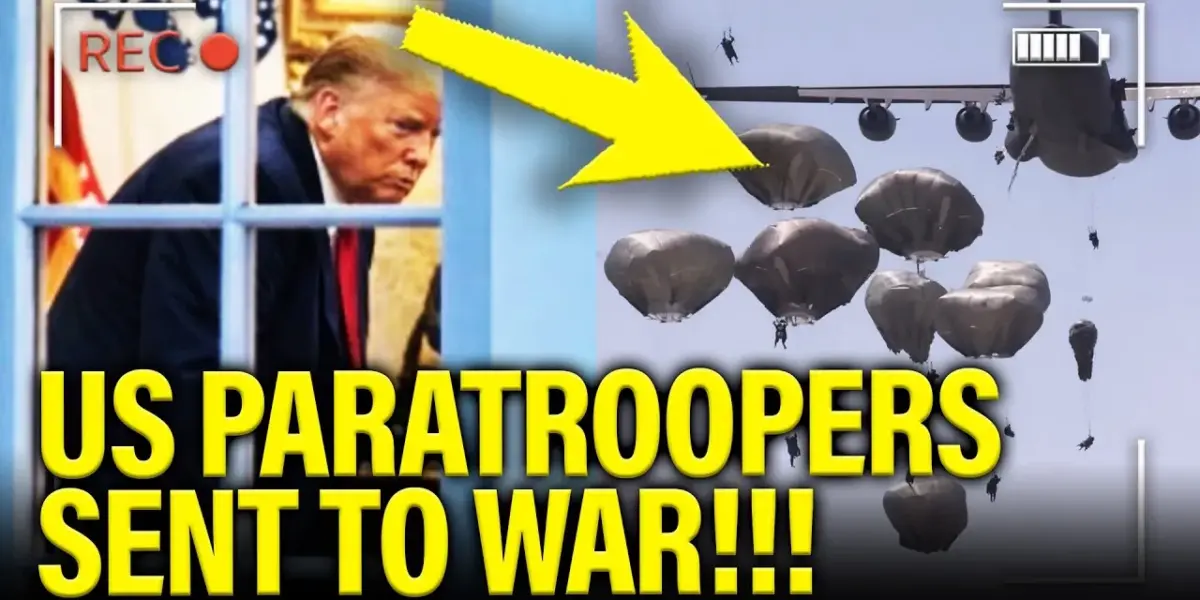
The United States is sending elite paratroopers to the Middle East as the conflict with Iran escalates. The 82nd Airborne Division’s immediate response force is preparing to deploy. This move comes after US and Israeli forces struck energy facilities in Iran. In response, Iran targeted energy sites in Kuwait and used cluster munitions in Tel Aviv. These weapons appear to be more effective, hitting targets with greater impact.
Major General Brandon Tegmire, commander of the 82nd Airborne Division, and his staff have been ordered to the Middle East. Several thousand paratroopers are ready for potential ground operations. This buildup also includes Marine Expeditionary Units aboard naval ships heading to the region. The USS Tripoli is expected to arrive soon, with the USS Boxer and other units following. This shows a significant buildup of ground forces near Iran.
Iran’s Taunts and US Strategy Doubts
Meanwhile, Iran is publicly mocking President Donald Trump. The Iranian embassy in South Africa posted a picture of a car with a baby steering wheel next to the actual one. The message suggested Trump and Iran’s leader could steer the Strait of Hormuz together. Iran also shared posts portraying Trump as having fake conversations with himself about peace talks. An Iranian envoy stated the US had failed to achieve its goals against Iran. He claimed the US is losing support from its allies, who see the war as unnecessary and unwise.
Israeli officials have also expressed doubts about any potential deal with Iran. They believe Iran is not willing to make concessions. Instead, ongoing talks might just be a way for Iran to delay. Iran’s demands include full reparations, security guarantees against future attacks, removal of US bases from the Middle East, and control over the Strait of Hormuz. They also want to keep their ballistic missiles. This stance leaves little room for negotiation.
Escalating Violence and Political Rhetoric
The conflict has led to significant destruction in southern Lebanon and Beirut. Israeli forces are reportedly devastating the areas. Reports indicate that Hezbollah targets are hit, but innocent civilians are also killed, and hospitals are destroyed. This widespread devastation highlights the severe impact of the ongoing military actions.
The US strategy seems to be replacing Iranian leaders with more extreme figures. For example, a recently killed Iranian National Security Council secretary was replaced by someone considered far more extreme and difficult to negotiate with. Arab mediators are skeptical about a quick resolution between the US and Iran. They believe the two sides are further apart now than before the war started. Iran feels it has gained advantages, like control over the Strait of Hormuz and relief from sanctions. Some critics describe President Trump’s view of the war’s success as detached from reality.
Economic Instability and Public Messaging
The war is also affecting financial markets. Treasury note yields are showing instability, with the 20-year note yield rising significantly after Trump mentioned peace talks. Higher yields can lead to increased mortgage rates and higher gas prices. This suggests that bond markets view the war as unsustainable.
The Trump administration’s communication to the American public has drawn attention. Melania Trump referred to people as “human capital” in a speech. A Republican senator from Iowa, Joni Ernst, stated that the loss of Iowa constituents in the conflict was “all worth it” for America’s safety. Another Republican, Rick Scott, argued that the US must strike first because Iran wants to destroy the American way of life. These statements frame the conflict as a necessary fight for survival.
Meanwhile, NASA administrator Jared Isaacman discussed plans for moon bases and interplanetary travel. This focus on space initiatives has been contrasted with domestic needs. Critics argue that resources spent on space exploration and the war could be better used for healthcare, housing, and jobs in the US.
Congressional Scrutiny and Arms Transfers
In Congress, Democratic Senator Van Holland questioned an Under Secretary of State about the transfer of US bombs to the Israeli government. The official was pressed on whether the transfer complied with US policy on conventional arms transfers. The official stated that all transfers comply with the law but was hesitant to confirm personal review of the specific assessment for the 20,000 bombs. This exchange highlights ongoing concerns about US arms sales and their compliance with policy.
Why This Matters
The escalating conflict with Iran, marked by military deployments, retaliatory strikes, and diplomatic failures, carries significant implications. The increased US military presence in the Middle East, particularly the deployment of the 82nd Airborne, signals a potential for prolonged or expanded ground operations. This raises concerns about American casualties and the long-term costs of sustained conflict.
Iran’s defiance and public mockery of President Trump suggest a strategic advantage perceived by Tehran. Their demands for reparations and security guarantees, coupled with their ability to disrupt key shipping lanes like the Strait of Hormuz, indicate a strong bargaining position. This complicates any US efforts to de-escalate or achieve a favorable outcome.
The economic consequences, as seen in the bond markets, are a clear indicator of global uncertainty. Instability in Treasury yields can translate into higher borrowing costs for individuals and businesses, impacting the broader economy. The disconnect between the administration’s messaging and the realities of the conflict, as perceived by some, also raises questions about transparency and public trust.
Historical Context and Future Outlook
The current situation echoes historical patterns of escalating tensions in the Middle East. The region has long been a flashpoint, with conflicts often fueled by complex geopolitical rivalries, resource competition, and ideological differences. The use of advanced weaponry and the targeting of critical infrastructure, such as energy facilities, point to a dangerous evolution in regional warfare.
The political rhetoric surrounding the conflict, emphasizing existential threats and the need for preemptive action, can make de-escalation exceedingly difficult. The replacement of perceived moderates with hardliners in Iran, as noted, further complicates diplomatic solutions. This trend suggests that future negotiations may be even more challenging.
Looking ahead, the trajectory of the conflict remains uncertain. The success of US military objectives hinges on various factors, including Iran’s response, regional alliances, and international pressure. The potential for miscalculation or unintended escalation is high. The international community faces the challenge of navigating this volatile situation to prevent a wider conflagration while addressing the underlying issues that fuel the conflict.
Source: Trump PANICS as PARATROOPERS SENT TO WAR!! (YouTube)

Related Articles

Stocks Ignore War Risks, Focus on “Taco Moments”
Stock markets appear to be overlooking the severe supply chain risks stemming from the Iran conflict, focusing instead on potential diplomatic de-escalations. While the S&P 500 shows resilience, bond and commodity markets signal deep concern over disruptions to critical resources like LNG, helium, and fertilizers.

US Strikes Cripple Iran’s Military Might, CENTCOM Reports
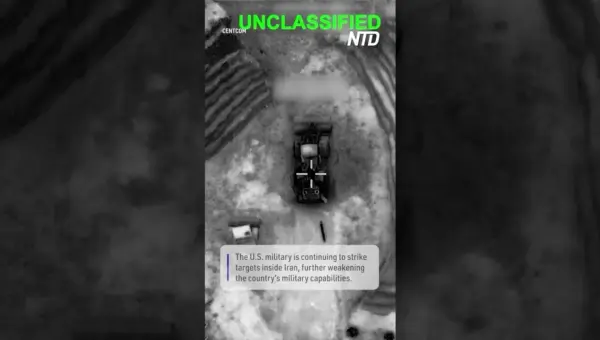
U.S. Central Command reports ongoing strikes inside Iran are significantly weakening its military power. This direct action aims to reshape regional security dynamics, but carries risks of escalation. The long-term impact depends on Iran's response and ability to adapt.

U.S. Iran Tensions Rise Amid Shifting Alliances
Rising tensions between the U.S. and Iran are creating a volatile geopolitical situation. With conflicting signals on de-escalation and potential shifts in alliances like NATO and U.S.-Israel relations, the path forward remains uncertain. The global economy and regional stability hang in the balance.