US Pushes Iran Harder: Troops Ready, Bombs Falling
Defense Secretary Pete Hegseth revealed an escalation of U.S. military pressure on Iran, including troop visits and increased bombing campaigns. He highlighted the troops' desire to finish the mission and reported significant damage to Iranian morale and capabilities, while also noting ongoing diplomatic talks.

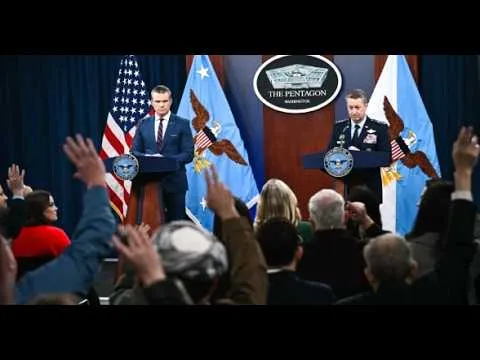
US Escalates Pressure on Iran as Troops Signal Readiness
Defense Secretary Pete Hegseth visited troops on the front lines, stating the coming days will be crucial in the conflict with Iran. He praised President Trump’s decisive action, contrasting it with what he called the inaction of past presidents. Hegseth emphasized that American forces have the upper hand, with increasing firepower and more options available. In just one month, he claimed, the U.S. has set the terms of engagement. Iran, he believes, has few military options left.
Troops Seek to Finish the Mission
When asked what they needed, American soldiers did not request better equipment or easier living conditions. Instead, they asked for the mission to be completed. They want more and bigger bombs, more targets to strike, and the chance to finish their work. This sentiment was shared by soldiers of all ranks, ages, and backgrounds. Their focus is on achieving victory and ending the threat Iran poses.
Strikes Cripple Iranian Morale and Capabilities
Hegseth reported that U.S. strikes are significantly damaging the morale of the Iranian military. This has led to widespread desertions and shortages of key personnel. Senior Iranian leaders are reportedly frustrated and their faith in their defensive positions is weakening. The U.S. has destroyed Iranian command bunkers, cutting off their leaders from communication and resources. Intel from CENTCOM confirms these strikes are effective.
Addressing the Nuclear Threat
The U.S. remains committed to preventing Iran from obtaining nuclear weapons. Hegseth reiterated President Trump’s firm stance on this issue. The number of enemy missiles and drones fired by Iran has seen its lowest point in the last 24 hours. While Iran may go underground, the U.S. vows to find and destroy their hidden assets. The focus is on dismantling Iran’s ability to threaten the region and the world.
Russia and China’s Role Managed
The U.S. is aware of the actions of Russia and China in relation to the conflict. While specific details are not being shared publicly, the U.S. is taking steps to address, mitigate, or confront their involvement where necessary. The goal is to prevent foreign interference from undermining U.S. objectives.
B-52 Bombers Deployed Over Iran
General Dan Kaine, Chairman of the Joint Chiefs, confirmed the deployment of B-52 bombers over Iran. This move is part of a strategy to gain air superiority and degrade Iran’s ability to project power. The joint force is systematically destroying Iran’s ballistic missile and drone capabilities. They are also targeting supply chains and manufacturing sites deep within Iranian territory. Over the past 30 days, more than 11,000 targets have been struck.
Talks with Iran Show Progress
In addition to military pressure, diplomatic talks with Iran are also taking place. Hegseth described these talks as very real, ongoing, and gaining strength. The U.S. is working to ensure the security of the Strait of Hormuz, with more ships now passing through. President Trump has called on other countries to help secure this vital waterway.
Historical Context and Background
Tensions between the U.S. and Iran have been high for decades, marked by various incidents and proxy conflicts. Iran’s pursuit of nuclear capabilities has been a major point of contention, leading to international sanctions and diplomatic efforts. Previous U.S. administrations have attempted different approaches, from sanctions to direct negotiations, with varying degrees of success. The current administration’s strategy appears to focus on a combination of intense military pressure and assertive diplomacy.
Why This Matters
The events described signal a significant escalation in U.S. policy towards Iran. The emphasis on decisive military action and the reported success in degrading Iran’s capabilities have major implications for regional stability. The troop sentiment highlights a desire for a swift resolution, while the acknowledgment of ongoing diplomatic talks suggests a multi-pronged approach. The involvement of global powers like Russia and China adds another layer of complexity to the geopolitical situation.
Implications, Trends, and Future Outlook
The aggressive posture taken by the U.S. could lead to further confrontation or force Iran to reconsider its actions. The success of these strikes in demoralizing the Iranian military and disrupting their programs could hasten the end of the conflict. However, it also carries risks of retaliation and unintended consequences. The focus on preventing Iran from acquiring nuclear weapons remains a critical long-term objective. The future outlook depends on Iran’s response to the pressure, the effectiveness of ongoing diplomatic efforts, and the broader geopolitical dynamics involving other major powers.
Source: Hegseth Confirms Iran Deal Talks, Describes Unannounced Visit to CENTCOM Base (YouTube)

Related Articles


Iran Kidnaps Journalist; US Carrier Rushes to Region
An American journalist has been kidnapped in Iraq by Iranian-backed forces, prompting a U.S. military response that includes deploying another aircraft carrier to the region. The incident occurs amid escalating tensions, with ongoing strikes and Iran rejecting ceasefire calls, signaling a potentially volatile future.

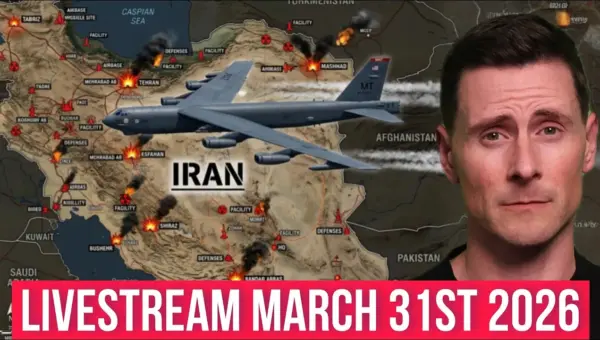
B-52s Strike Iran Ammo Depot in Operation Epic Fury
U.S. B-52 Stratofortress bombers recently flew overland missions into Iran, striking a key ammunition depot in Isfahan. The operation, dubbed 'Epic Fury,' utilized bunker-buster munitions to destroy hardened targets. This significant show of force demonstrates U.S. long-range strike capabilities.

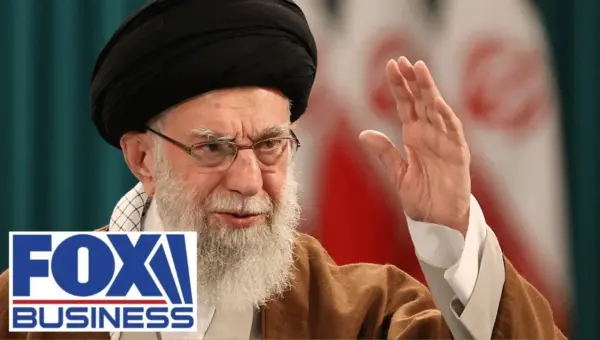
Dem Hopeful’s Silence on Khamenei Death Sparks Outrage
A leaked audio recording reveals a Michigan Democratic Senate hopeful's alleged advice to stay silent on Ayatollah Khamenei's death, sparking outrage. The controversy occurs amid an internet blackout in Iran, hindering potential uprisings. The candidate's stance raises questions about political alignment and voter sympathy.