US Pushes for Iran War End Amid Military Buildup, Diplomatic Stalemate
The U.S. is navigating a complex situation with Iran, pursuing both military action and diplomatic talks to end the conflict. While the White House claims military success, Iran has reportedly rejected a U.S. peace proposal, leading to continued diplomatic stalemate and a surge in U.S. troops to the region. Meanwhile, a political standoff in Washington over Department of Homeland Security funding is causing significant disruptions, including lengthy airport delays.


US Pursues Dual Track on Iran War: Diplomacy and Force
The United States is engaged in a complex strategy regarding the ongoing conflict with Iran, pursuing both diplomatic solutions and military action simultaneously. This dual approach, led by the Trump administration, involves presenting Iran with a new proposal to end the war while also reinforcing its military presence in the region.
White House Claims Military Success, Hints at Peace
White House Press Secretary Karoline Leavitt declared Operation Epic Fury a significant military triumph, stating that Iran’s ability to threaten the U.S. and its allies has been severely weakened. “The Iranian regime is being crippled, and their ability to threaten the United States and our allies is being significantly weakened,” Leavitt said. She added that the administration believes the regime is seeking an exit from the conflict, emphasizing President Trump’s preference for peace. However, she warned that if Iran does not accept its military defeat, Trump is prepared to escalate military actions.
Diplomatic Proposal Faces Iranian Rejection
Despite the strong military rhetoric, the Trump administration has also signaled a desire to de-escalate. According to regional sources and a U.S. official, the U.S. sent Iran a 15-point plan to end the conflict, with Pakistan reportedly acting as a mediator. However, Iranian state television, citing a senior official, reported that Tehran has rejected the U.S. offer, refusing to let President Trump dictate the terms of the war’s conclusion. Iran’s demands for ending the war reportedly include a halt to aggression, compensation for war damages, and recognition of its sovereignty over the Strait of Hormuz.
“Iran has rejected the US’s 15 point plan to end the war. What’s the White House’s response to that? And have these talks hit a dead end?” asked NBC’s Gabe Gutierrez. “They have not. Talks continue. They are productive… and they continue to be,” responded White House Press Secretary Karoline Leavitt.
Leavitt, when questioned about Iran’s rejection, maintained that talks are ongoing and productive, though she declined to provide specific details of the negotiations.
Troop Surge Continues Amid Conflicting Signals
In a move that appears to contradict claims of victory, President Trump has approved the deployment of over 1,000 additional soldiers to the Middle East. This escalation comes as Iran’s Parliament Speaker warned that Iran is closely monitoring U.S. troop movements and urged the U.S. not to test their resolve.
President Trump’s Briefings: A ‘Sizzle Reel’ of Strikes
New details have emerged regarding how President Trump is being briefed on the war. According to U.S. officials, the President receives a daily two-minute video montage showcasing successful U.S. strikes. One official described this as a “series of clips of stuff blowing up.” While the White House stated this simplifies the President’s briefings, critics, including Iran’s Foreign Minister, have suggested this curated approach might present a skewed view of the conflict.
“It seems the war is being sold not once, but daily, even to the President himself through carefully curated videos,” Iran’s Foreign Minister posted on social media.
Monica Alba, White House Correspondent for NBC News, noted that the White House is downplaying the significance of the 15-point plan, emphasizing ongoing talks. She also highlighted concerns that the daily video briefings might offer a limited perspective on the battlefield, focusing heavily on U.S. victories.
Public Opinion and Rising Gas Prices
Recent polls indicate growing public concern, with nearly 60% of U.S. adults believing that U.S. military actions against Iran have gone too far, and over 60% opposing U.S. troops on the ground. Leavitt addressed these concerns, stating that President Trump is working to protect young people from a rogue regime and promising that gas prices will fall once combat operations conclude, linking this to the administration’s focus on American energy dominance.
Israeli Concerns and Diplomatic Hurdles
Matt Bradley, reporting from the region, noted that Israeli officials have historically placed less emphasis on diplomatic processes in dealing with Iran. They are concerned that a swift U.S.-brokered deal might prevent Israel from achieving its own security objectives, such as dismantling Iran’s missile and nuclear facilities. The lack of clear communication and the Iranian rejection of the U.S. proposal add complexity to the diplomatic efforts.
DHS Funding Stalls Amid Congressional Gridlock
In parallel, a significant political battle is unfolding in Washington over the funding for the Department of Homeland Security (DHS). A deal to fund the department and alleviate travel chaos caused by TSA staffing shortages has stalled once again. Democrats have submitted a counteroffer to a Republican proposal, seeking reforms within the Immigration and Customs Enforcement (ICE) agency.
Key Demands and Republican Opposition
The core of the dispute lies in Democratic demands for reforms concerning ICE, including requirements for body cameras, judicial warrants for certain operations, and independent investigations into ICE-involved violence. Republicans have largely opposed these measures, viewing them as attempts to weaken enforcement. Senate Minority Leader Chuck Schumer stated that the Democratic counteroffer is a reasonable proposal containing previously discussed asks, while Senate Leader Thune dismissed it as not close to being realistic.
“Our offer is a reasonable, good faith proposal that contains some of the very same asks Democrats have been talking about now for months,” said Senator Chuck Schumer. “They know better. They’re asking for things that have already been turned down,” countered Leader Thune.
The ongoing shutdown has severely impacted TSA officers, many of whom are working without pay, leading to financial hardship and increased stress. Sahil Kapur reported that despite some conceptual closeness between parties, a breakthrough remains elusive, with a looming congressional recess adding pressure to the situation. He highlighted that Democrats hold leverage due to the need for 60 votes in the Senate to pass funding legislation.
Airport Chaos and Traveler Frustration
Priscilla Thompson, reporting from Houston’s George Bush Intercontinental Airport, described ongoing long lines and frustrated travelers. Some passengers have had to rebook flights and accommodations due to the delays, with one traveler vowing to remember the situation during the upcoming midterm elections. The situation underscores the real-world impact of the political stalemate on the traveling public and essential workers.
Looking Ahead: War Powers and Budget Battles
As the U.S. navigates the complex situation with Iran, attention remains on whether the administration will seek formal authorization from Congress for the ongoing military operations. Simultaneously, the battle over DHS funding is set to continue, with implications for national security and the daily lives of federal employees and the public. The coming days will be critical in determining the path forward on both fronts.
Source: Meet the Press NOW – March 25 (YouTube)

Related Articles


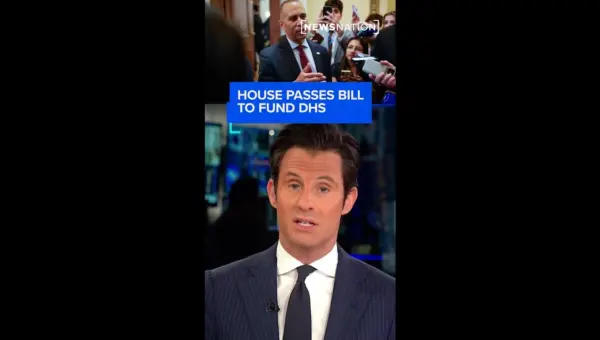
House Funds DHS Short-Term, Senate Stalemate Looms
The House has passed a short-term bill to fund the Department of Homeland Security, but the Senate is expected to reject it. This temporary measure highlights ongoing political divisions and the challenges in reaching long-term budget agreements in the U.S. Congress.

Congress Stalemate Threatens Border Security Funding
The U.S. House passed a temporary funding bill for the Department of Homeland Security, but Senate Democrats are expected to block it. This recurring stalemate highlights deep divisions over border policy and funding, potentially impacting national security and international perceptions of U.S. stability.
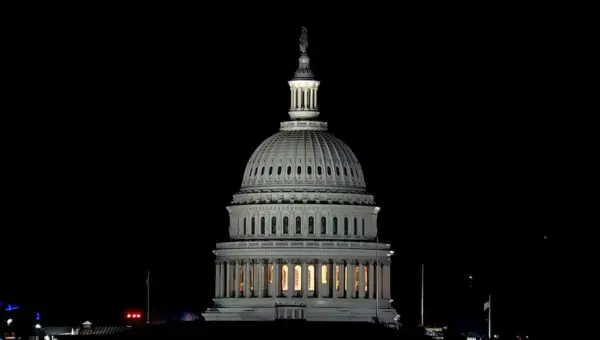
House Funds DHS, But Senate Deal Unlikely Amid Shutdown
The House of Representatives has passed a bill to fund the Department of Homeland Security, but the measure is unlikely to pass the Senate. TSA workers, who have faced missed paychecks and disruptions, may receive some pay soon due to a presidential order, but the broader shutdown continues.