US Pulls Back, Shaking Global Alliances
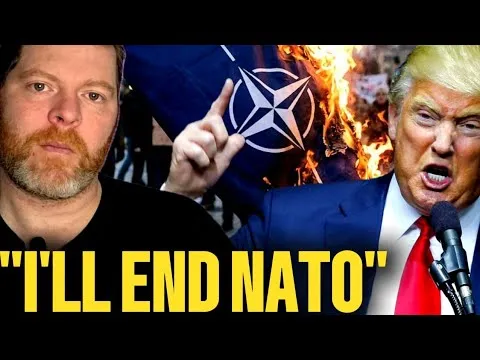
The United States is considering a significant withdrawal from NATO, potentially reshaping global alliances and economic ties. This move stems from complex motivations, including perceived profitability of alliances and a desire to avoid unpopular wars. However, domestic U.S. law may prevent a unilateral exit, and the economic consequences could be severe. Middle powers are urged to unite economically to counter potential U.S. actions, signaling a shift towards a more multipolar world order.

US Pulls Back, Shaking Global Alliances
The United States is signaling a significant shift away from its traditional role on the world stage. This move could reshape global partnerships and economic ties. Reports suggest the U.S. is seriously considering leaving NATO, a major defense alliance. This potential withdrawal follows a period where U.S. actions have been seen by some as isolating the country. The world is watching closely as these changes unfold.
Motivations Behind the Shift
The reasons behind this potential U.S. pullback are complex. Some believe the current U.S. administration views NATO as unprofitable or even an obstacle. There’s a strong argument that the military-industrial complex profits greatly from these alliances, particularly through arms sales to Europe. Companies like Raytheon and Lockheed Martin reportedly see huge gains from conflicts like the one in Ukraine. This has led to speculation that powerful industry interests might resist any move away from NATO.
On the other hand, there’s a perspective that the U.S. is being drawn into unpopular conflicts that benefit allies more than America. The idea of withdrawing from regions like the Middle East is presented as a way to reduce global tensions. Proponents of this view suggest that this would allow regions to govern themselves and open crucial trade routes like the Strait of Hormuz. They argue that this would prevent the U.S. from being seen as a rogue actor that destabilizes entire regions.
NATO’s Stance and U.S. Domestic Politics
NATO allies have expressed concerns about the potential U.S. withdrawal. They point to the importance of the alliance for collective security. However, it appears the U.S. president’s ability to unilaterally leave NATO might be restricted. In 2023, Congress reportedly added a provision to the National Defense Authorization Act. This change requires a two-thirds vote from the Senate or an act of Congress to leave NATO. This means the president alone cannot end U.S. participation.
Domestic U.S. opinion seems divided, though polls suggest a majority of Americans favor strengthening ties with NATO and the EU. The idea of isolationism, while appealing to some, is seen by many as detrimental to the U.S. economy. Critics argue that the U.S. cannot thrive economically outside the global system. They believe such a move would weaken the nation’s standing and its economy.
Global Economic Ramifications
A U.S. exit from NATO could have significant economic consequences. The U.S. relies on global trade and investment. Countries like Japan, a major holder of U.S. debt, might reconsider their financial commitments. If the U.S. were to withdraw from NATO, it could lead to a situation where fewer nations are willing to buy U.S. debt. This would be a major blow to a debt-driven economy.
Furthermore, global trade patterns are already shifting. Allies are increasingly trading with countries like India and China. If the U.S. is seen as an unreliable partner, commitments from countries like South Korea and Japan to invest in the U.S. could be pulled back. Malaysia has already withdrawn from agreements, and similar actions are expected from others. The U.S. could become an economic enemy, facing retaliatory trade policies from former allies.
The Role of Middle Powers
In the face of perceived U.S. aggression or unpredictability, middle powers are being urged to unite. Figures like Mark Carney have called for these nations to consolidate their trade power. They argue that these countries, which control essential resources like rare earth minerals, fuel, and food, have significant economic leverage. By working together, they could influence U.S. policy through trade and economic measures, rather than military confrontation.
These middle powers could potentially impact the U.S. by controlling access to vital goods. Their collective economic strength could create a powerful counterweight to U.S. influence. This strategy focuses on economic interdependence as a tool for diplomatic pressure. The stability of the global economy relies on these interconnected trade relationships.
Historical Context and Future Scenarios
The current situation echoes past periods of geopolitical realignment. Alliances like NATO were formed after World War II to ensure collective security against potential threats. The idea of the U.S. withdrawing from such a foundational alliance raises questions about the future of global security architecture.
Several future scenarios are possible. One involves the U.S. remaining in NATO, perhaps with adjusted roles and responsibilities. Another is a gradual decoupling, where U.S. involvement lessens over time. A more drastic scenario is a full U.S. withdrawal, which could lead to significant instability and the formation of new regional alliances. The outcome will depend on political decisions within the U.S. and the reactions of its allies and global partners.
Global Impact
This potential shift by the United States has profound implications for the world order. It challenges the post-World War II system of alliances and security. The economic consequences could be far-reaching, impacting global trade, investment, and financial markets. The rise of middle powers as a collective force could signal a move towards a more multipolar world. The long-term stability and security of the international system are at stake as nations navigate this period of uncertainty.
Source: America is Leaving NATO (And the World is Cheering) (YouTube)

Related Articles
China’s Cyberattacks and Island Building Raise Alarm
China's recent cyberattacks and intensified island-building in the South China Sea are raising global alarms. While the U.S. regains ground in the space race, concerns grow over China's assertiveness and its impact on regional stability and international commerce.
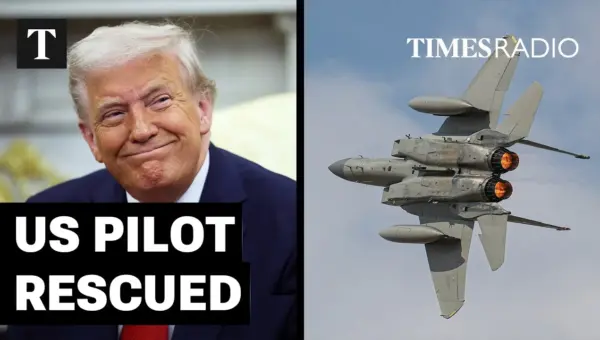
Pilot Rescued After US Jet Downed Over Iran
A U.S. pilot has been rescued after an F-15 fighter jet was shot down over Iran, but concerns remain for the second crew member. The incident brings back historical parallels of the Iran hostage crisis and raises questions about the current administration's military and political strategy.

Ukraine Strikes Russian Oil Hubs, Crippling Exports
Ukrainian strikes on Russian oil export terminals are crippling Russia's ability to sell oil, impacting its war funding. This strategy, supported by U.S. policy, targets Russia's core economy and exploits its limited storage capacity, potentially leading to long-term damage to its energy sector.