US Public Opinion May Soon Clash With Trump’s Iran War Stance
Tens of thousands protested nationwide against the Trump administration's military actions, particularly concerning Iran. While public opinion largely opposes the war, the administration is proceeding without broad consent, leading to potential clashes. Economic concerns and shifting global alliances add further complexity to the escalating conflict.

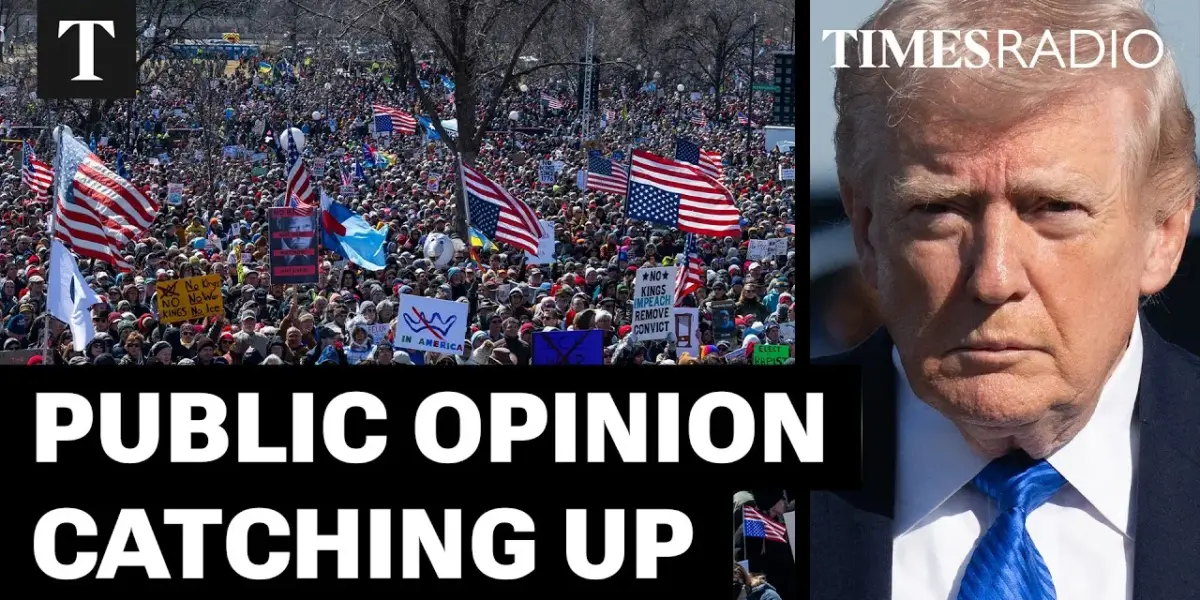
Protests Erupt as US Public Opinion Lags Behind Iran Conflict
Tens of thousands of Americans took to the streets nationwide in recent protests against the Trump administration’s military actions, particularly concerning Iran. The demonstrations, dubbed the ‘No Kings’ protest, began in June 2025 and have seen a significant surge in activity, with over 3,000 events reported in a single day. While the public largely opposes the war, the administration appears to be moving forward without seeking broad consent, relying instead on military capability. This disconnect suggests a potential clash between public sentiment and government policy as the conflict escalates.
‘No Kings’ Protests Gain Momentum Nationwide
The ‘No Kings’ movement has grown significantly, drawing tens of thousands of participants across the United States. In Washington D.C., protesters specifically targeted White House Deputy Chief of Staff Stephen Miller, a key figure behind the administration’s immigration and urban beautification policies. Some demonstrations have even focused on military bases where officials like Miller reside, indicating a new level of targeted activism. These protests are seen as a precursor to the upcoming midterm elections in November, with activists aiming to influence public discourse and policy.
Administration’s Focus on Symbolism Over Substance
Beyond the military actions, the Trump administration has been criticized for its focus on symbolic gestures. Reports suggest President Trump is interested in having his signature appear on dollar bills, renaming the Strait of Hormuz to the ‘Strait of Trump,’ and even being added to Mount Rushmore. This emphasis on personal branding, while perhaps intended to rally support, distracts from the serious economic and military implications of the ongoing conflict. The administration’s approach seems to prioritize personal legacy over the practical consequences of its foreign policy decisions.
Iran Conflict: Strategic Hubris and Economic Fallout
Gavin Bade, a trade and economic policy reporter at The Wall Street Journal, suggests the administration may be exhibiting ‘strategic hubris’ in its approach to Iran. He notes a pattern of preparing for military operations while simultaneously engaging in diplomatic talks, a strategy seen during previous actions. The idea of a swift military incursion followed by the installation of a puppet government is unlikely to succeed in a country of 90 million people like Iran. The potential cost of occupying Iranian territory, especially the challenging terrain near the Strait of Hormuz, is immense, both economically and militarily. This raises questions about the administration’s understanding of the complexities involved.
Public Disconnect and Economic Concerns
A significant portion of the American public remains disengaged from the Iran conflict, preoccupied with domestic issues like the rising cost of living. Reports indicate that President Trump’s approval ratings on inflation are below 30%, a number likely to worsen as the conflict impacts energy prices and supply chains. Dow Chemical and other suppliers have announced significant price increases for plastics, directly affecting consumers. This economic pressure, coupled with the administration’s ‘no war’ campaign promises, has created a schism within the MAGA movement, with many supporters questioning the current military engagement.
Potential Breaking Point and Shifting Alliances
The situation could reach a breaking point if a large-scale ground operation in Iran occurs, especially if it coincides with further price increases for consumers. Bade believes that at some point, the American public will reject the war, as polls consistently show a lack of desire for such involvement. The administration’s failure to secure public consent for the war is a critical misstep. Meanwhile, international rivals like Russia may benefit from the U.S. being bogged down in the Middle East, diverting attention and resources from other global conflicts like the war in Ukraine. This shift in strategic focus also raises concerns about the U.S. ability to respond to potential aggression from China in the Pacific, particularly concerning Taiwan.
Market Volatility and Contradictory Signals
Financial markets are showing signs of strain, with rising Treasury yields and sliding stock prices. While President Trump has previously used market reactions to influence policy, the current situation presents a complex challenge. The administration appears to be verbally seeking off-ramps from the conflict while simultaneously escalating actions on the ground, a contradiction that may not be sustainable. The market’s reaction to potential Houthi involvement and the opening of markets on Monday will be closely watched. The perceived inability of the U.S. to coerce Iran, much like China’s resistance during the trade war, highlights a shift in global power dynamics and could derail other key foreign policy objectives, such as relations with China.
Source: Iran War: American Public Opinion Will ‘Catch Up’ With Trump | Gavin Bade (YouTube)

Related Articles

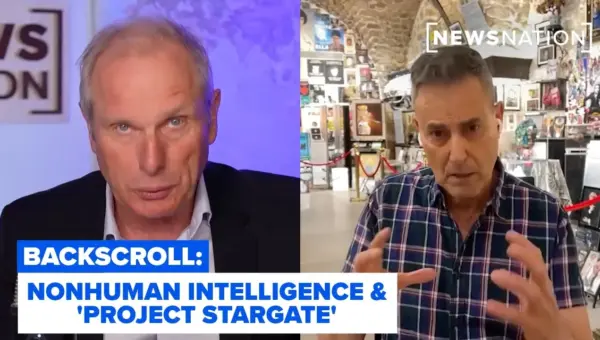
Objects in Orbit Hint at Pre-Human Intelligence
New scientific papers suggest artificial objects orbited Earth before human satellites, hinting at non-human intelligence. Declassified CIA documents also reveal serious investigation into psychic abilities via Project Stargate. These developments challenge our understanding of history and the universe.

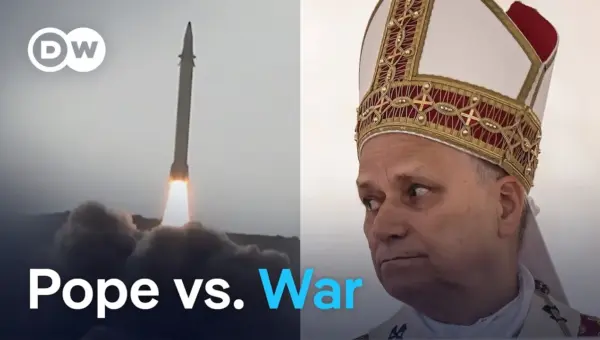
Pope Rejects Prayers of War Leaders, Urges Peace in Iran Conflict
Pope Leo delivered a forceful message during Palm Sunday Mass, stating that God rejects the prayers of those waging war, particularly in the context of the ongoing conflict with Iran. His words serve as a moral counterpoint to religious justifications for military action, drawing on a tradition of papal calls for peace.
US Overreaches in Iran Standoff, Experts Warn
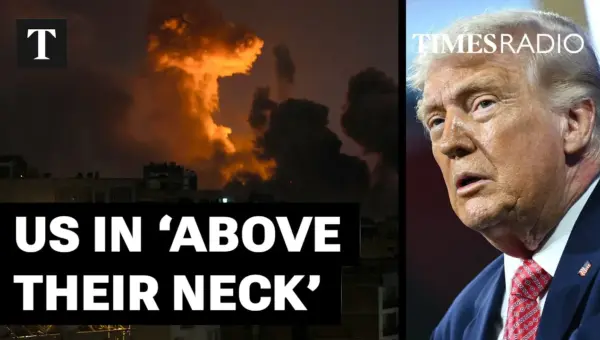
U.S. military experts warn President Trump has overextended American capabilities in the escalating standoff with Iran. With significant troop deployments and Iranian threats, the situation is precarious. Experts call for a clear strategy and a diplomatic "off-ramp" to avoid wider conflict.