US Protests Challenge Trump’s Power
Tens of thousands protested across the US and globally in 'No Kings' rallies, challenging President Trump's policies. Issues ranged from ICE to foreign wars, with calls for government accountability.

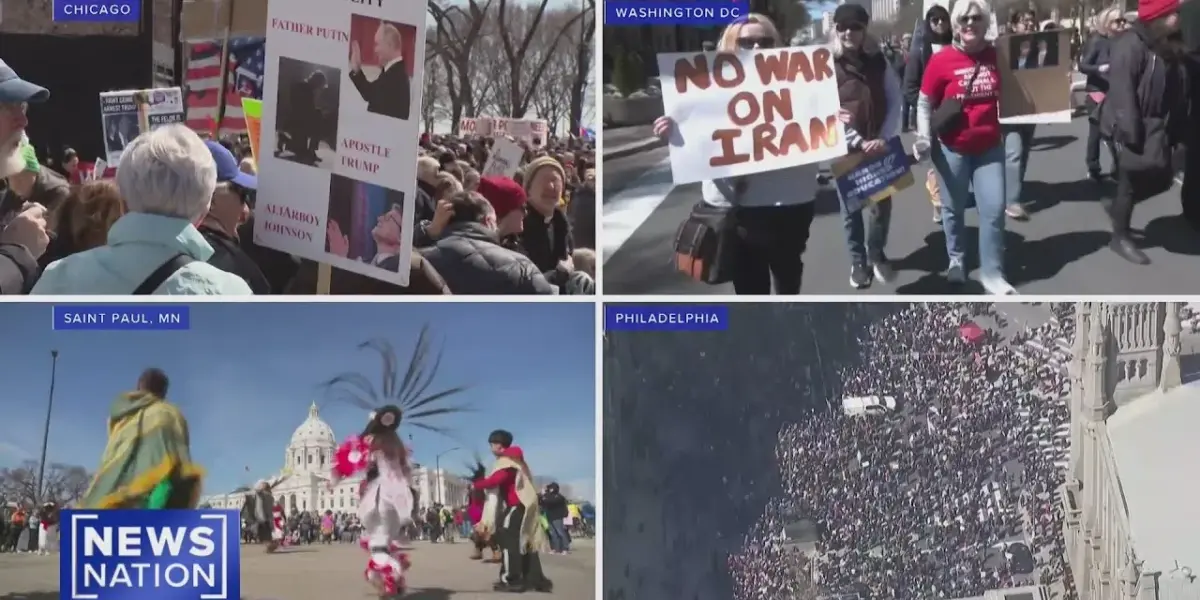
Nationwide Protests Target Trump Administration Policies
Tens of thousands of Americans took to the streets on Saturday for the third round of ‘No Kings’ rallies. These protests, held across all 50 states, showed widespread discontent with President Donald Trump and his administration’s policies. While most gatherings were peaceful, some events saw clashes, leading to arrests.
Key Issues Fueling Public Anger
Protesters voiced concerns on a variety of issues. Many called for the abolition of the Immigration and Customs Enforcement (ICE) agency. Others were angry about the government shutdown and demanded that ICE officers leave airports. The ongoing war in Iraq was a major point of frustration for many. Protesters felt betrayed by President Trump’s campaign promise to end foreign wars. They also called for higher taxes on the wealthy and stronger rights for workers.
Calls for Checks and Balances
A central theme of the protests was the idea of separation of powers. Speakers and signs emphasized that the president should not have unchecked authority. The message was clear: citizens expect accountability from all branches of government. Organizers stressed that these actions would be remembered at the ballot box. The goal was to remind elected officials that their power comes from the people.
Prominent Figures Join the Movement
The ‘No Kings’ movement attracted attention from well-known figures. In Minnesota, Senator Bernie Sanders, musician Bruce Springsteen, and actress Jane Fonda spoke at a rally. Actor Robert De Niro made strong statements in New York City, calling for President Trump to be stopped. He argued that the president could not act without Congress’s agreement. This highlights the broad support the movement gained, extending beyond grassroots activism.
Incidents and Law Enforcement Response
While most protests remained peaceful, some incidents occurred. In Portland, arrests were made after clashes outside an ICE facility. In Los Angeles, a group broke off from a rally and headed to a federal detention center. Protesters reportedly threw cement blocks and bottles at officers. Law enforcement responded with tear gas and made arrests. Los Angeles police wore riot gear and issued dispersal orders.
Global Reach of the Protests
The ‘No Kings’ rallies were not limited to the United States. Similar protests took place in major cities around the world, including Paris, Rome, and Australia. This global presence suggests that the concerns raised by the protesters resonated internationally. It also indicates a shared global sentiment against certain political trends or policies.
Global Impact and Shifting Order
The widespread protests, both domestic and international, signal a growing public demand for accountability in leadership. They highlight a deep dissatisfaction with current government policies and the direction of political power. The ‘No Kings’ movement challenges the concentration of power and calls for stronger democratic checks and balances. This could lead to increased scrutiny of executive actions and a greater emphasis on citizen participation in governance. The global nature of the protests also suggests a potential for international solidarity on issues of democratic rights and governance, potentially influencing diplomatic relations and international policy debates.
Historical Context
The sentiment behind the ‘No Kings’ protests echoes historical movements that have challenged absolute power. Throughout history, citizens have organized to demand representation and resist authoritarian tendencies. From the Magna Carta to modern democratic revolutions, the struggle for limited government and individual rights is a recurring theme. These protests tap into that long tradition of citizens asserting their power against perceived overreach by those in authority.
Economic Undercurrents
While not always explicitly stated, economic factors played a role in the protests. Calls for taxing the wealthy and improving workers’ rights point to concerns about economic inequality. Dissatisfaction with foreign wars can also be linked to their economic costs and impact on domestic priorities. These economic grievances are often intertwined with political frustrations, fueling demands for policy changes.
Future Scenarios
The ‘No Kings’ movement could have several outcomes. It might lead to increased political engagement and voter turnout, influencing future elections. It could also pressure politicians to address the specific policy concerns raised by protesters. Alternatively, if the movement does not translate into sustained political action or policy changes, its impact might be limited. The response of the Trump administration and Congress to these widespread demonstrations will be crucial in shaping their long-term significance.
Source: Cities across the US hold 'No Kings' protests | Morning in America (YouTube)

Related Articles
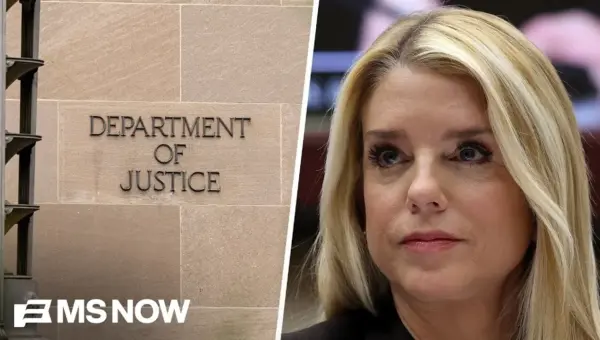
DOJ Faces Lawsuit Over Survivor Data Breach
The Department of Justice is facing a class action lawsuit for allegedly releasing personal data of over 100 survivors. Experts discuss the legal challenges and the broader need to rebuild trust and integrity within the DOJ.
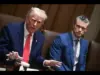
Trump’s Iran War Gamble: Broken Promises, Rising Costs
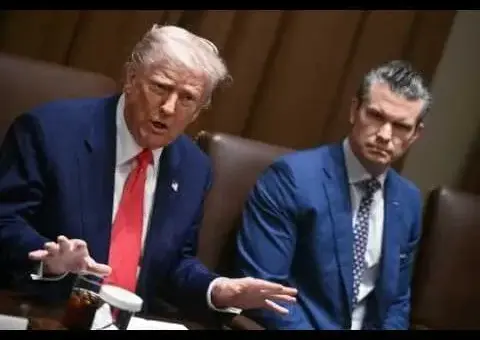
Reports indicate the Pentagon is preparing for ground operations in Iran, signaling a potential escalation of conflict. This move is criticized as a betrayal of campaign promises to avoid new wars and comes with rising gas prices and significant costs to American taxpayers. The analysis questions leadership priorities, contrasting campaign rhetoric with policy actions and highlighting the economic and human toll of prolonged military engagement.
Trump Weaponizes Pain for Voter Suppression, Critics Claim
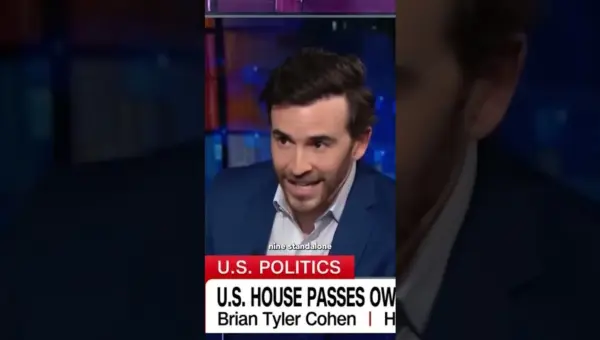
A heated exchange reveals accusations that Donald Trump intentionally prolonged a government shutdown to weaponize public pain. Critics claim this strategy aimed to force the passage of a voter suppression bill, rejecting multiple Democratic proposals to fund the TSA. The debate also touched on historical funding decisions for agencies like ICE.