US Prepares for Iran Strike Amid Escalating Tensions
U.S. forces are reportedly on standby for a potential strike against Iran, fueled by intelligence suggesting the nation is nearing a nuclear breakthrough and developing chemical and biological weapons. Internal debates within the Trump administration highlight concerns over the risks and strategic objectives of military action.

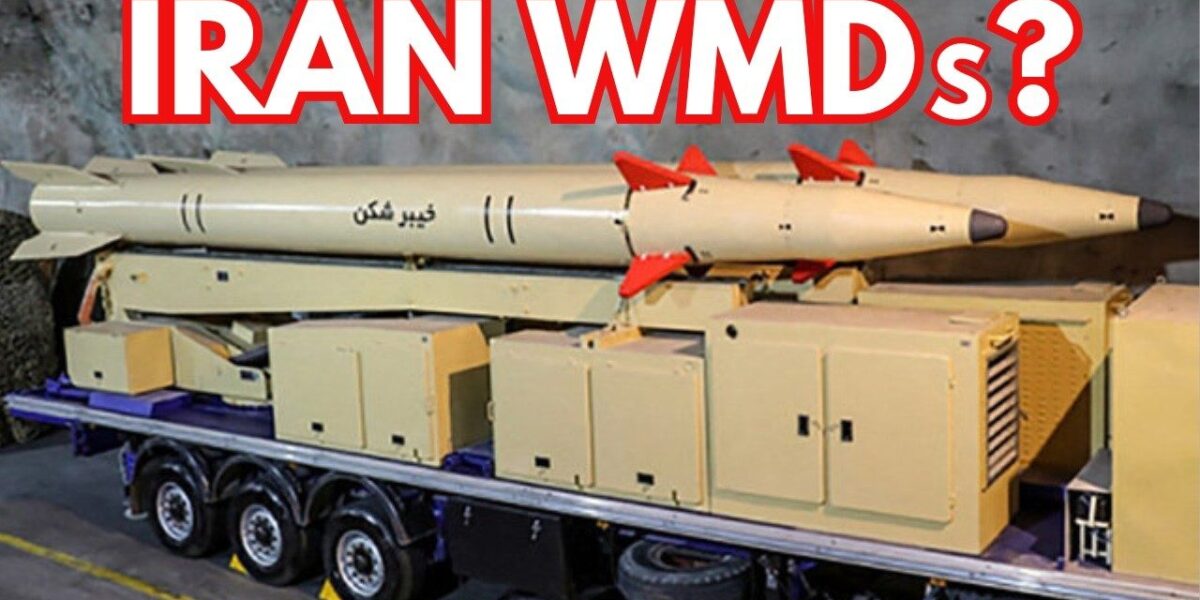
Iran Nuclear Program Near Breakthrough, Officials Warn
In a rapidly developing situation, a senior Israeli official has suggested that preparations for a potential military strike against Iran have been completed, signaling an imminent conflict. This comes amid new reports alleging that Iran is developing chemical and biological weapons and that its nuclear program is on the verge of a significant breakthrough, potentially just one week away from producing weapons-grade material.
Intelligence Reports Raise Alarm Over Iranian Capabilities
New reporting from the Washington Free Beacon quotes Israeli military adviser Amamir Vivi, who stated that Iran is actively producing ballistic missiles equipped with chemical and biological capabilities. Vivi reportedly made similar assertions at a briefing for the Israeli Defense and Security Forum, emphasizing the grave danger posed by these weapons. These claims are partially corroborated by U.S. State Department reports from the previous year. A 2025 report on chemical weapons compliance noted that Iran has not fully declared its production facilities or stockpiles. Another report from the same year, concerning adherence to arms control agreements, highlighted concerns over Iran’s dual-use biotechnology and pharmaceutical activities, suggesting potential abandonment of offensive biological research.
US Envoy Cites Imminent Nuclear Threshold
Adding to the urgency, U.S. Special Envoy Steve Wickoff stated in a national news interview that Iran is approximately one week away from a major breakthrough in its nuclear program. He indicated that Iran has been enriching uranium well beyond levels needed for civilian purposes, reaching up to 60% enrichment, and is nearing the capacity to produce material for an atomic bomb. Wickoff’s statement, setting a specific and short deadline, is seen by some as an effort to shape public perception and underscore the perceived need for immediate action.
"The Islamic Republic is continuing preparations for war and the production of ballistic missiles, including chemical and biological ballistic missiles, which are very, very dangerous and need to be dealt with."
Amamir Vivi, Israeli military adviser
Debate Within Administration Over Military Action
Despite the apparent push towards military engagement, there are indications of internal debate within the Trump administration. Reports suggest that some close advisors are urging President Trump to reconsider the military option, advocating for caution. Chairman of the Joint Chiefs of Staff, General Dan Kaine, has reportedly advised the President on the significant risks associated with a military campaign against Iran, particularly the potential for entanglement in a prolonged conflict and increased American casualties. While some sources described Kaine as a “reluctant warrior,” others with direct knowledge stated he is “clear-eyed and realistic” about the potential consequences rather than skeptical of a campaign itself. President Trump, however, publicly dismissed these reports as “fake news,” asserting that the administration is unified and moving in the right direction.
Frustration Over Limited Options for Decisive Strike
President Trump is reportedly growing frustrated with the lack of options that would guarantee a decisive blow against Iran. Unlike previous targeted operations, military planners caution that strikes on Iranian assets would likely not be singular or conclusive. Limited strikes could escalate into a wider confrontation, potentially drawing the U.S. into a protracted conflict. The President’s desire for a forceful action that would compel Iran to negotiate on more favorable terms faces military assessments that such an outcome cannot be guaranteed. Some analysts suggest the President may have “put himself in a box,” potentially forcing his hand towards military action if concessions are not met.
Strategic Goals and Uncertain Outcomes
The core objectives in any potential negotiations or military action against Iran are understood to include the complete dismantlement of its nuclear program, the cessation of its missile program, and the end of its support for regional proxy networks. However, achieving these goals through military strikes is viewed as highly problematic. Experts argue that air strikes are unlikely to eliminate Iran’s missile program, much of which is domestically manufactured and housed in underground facilities. Similarly, Iran’s support for proxy groups is based on relationships and financial ties that cannot be severed by bombing campaigns. The effectiveness of strikes on Iran’s nuclear program is also questioned, especially given conflicting reports about the program’s status following previous U.S. actions.
"I think the reality is that the president has put himself in a box. He’s put himself in a situation where unless he manages to extract a considerable concession from the Iranians to avoid a war he doesn’t want, he’s going to be forced into one. This is a crisis of his own making."
Aaron David Miller, Middle East expert
Iran’s Potential Response and Regional Instability
Should the U.S. initiate military action, Iran possesses capabilities to retaliate. Immediate responses could include targeting U.S. aircraft and ships, as well as launching missiles and drones at U.S. troops and bases across the Middle East. Iran might also target regional allies like Saudi Arabia or Israel. Furthermore, there is a risk of Iran orchestrating attacks within the United States or against U.S. interests abroad, potentially through deploying agents, utilizing criminal surrogates, or leveraging proxy groups like Hezbollah. These scenarios highlight the complex and potentially far-reaching consequences of a military confrontation.
Broader Implications and Future Outlook
The situation underscores a critical juncture in U.S.-Iran relations. The perceived urgency, driven by intelligence assessments and political pressures, contrasts with the strategic complexities and potential risks involved in military intervention. As administration officials brief lawmakers on the escalating tensions, the world watches to see whether diplomatic efforts can prevail or if the region is indeed on the brink of a new conflict, the outcomes of which remain uncertain and potentially destabilizing.
Source: Urgent Push For War: US Forces Ready To Strike (YouTube)

Related Articles

Trump Warns of More US Deaths in Escalating Conflict
Former President Donald Trump issued a somber warning on Truth Social, stating that further U.S. service member deaths are "likely" as geopolitical tensions escalate. He condemned Iran's former supreme leader, Ayatollah Ali Khamenei, and vowed retribution for fallen soldiers.

Gulf States Caught in US-Iran Crossfire, Seek Stability
Gulf states are caught in the escalating US-Iran conflict, facing violations of sovereignty and national security threats. Leaders express a strong desire for stability and economic prosperity, contrasting with the unfolding scenes of regional instability.

Geopolitical Turmoil Bolsters Bitcoin Amidst ETF Inflows
Geopolitical tensions and strong Bitcoin ETF inflows are creating a resilient market. Analysts point to exhausted sellers and the potential for capital rotation into crypto, while regulatory clarity on the Clarity Act could unlock significant institutional investment.